
Mammal · GBIF taxon 2440878
Sumatran Rhinoceros
Dicerorhinus sumatrensisAlso known as Sumatran Rhino, Hairy Rhinoceros, Asian Two-Horned Rhinoceros
Sumatran rhinoceroses are solitary, forest-dwelling mammals that navigate dense tropical vegetation by creating well-worn trail networks. They communicate through a surprisingly diverse range of vocalizations, including squeaks, hums, and whistle-blows, alongside scent-marking with urine and dung. Unlike their larger relatives, these rhinos spend much of their day wallowing in mud pools to cool down and protect their skin from biting insects.
SolitaryRainforest
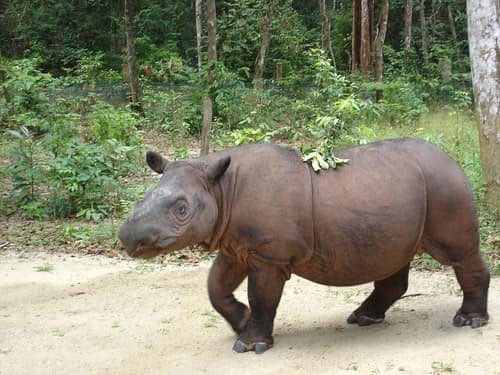
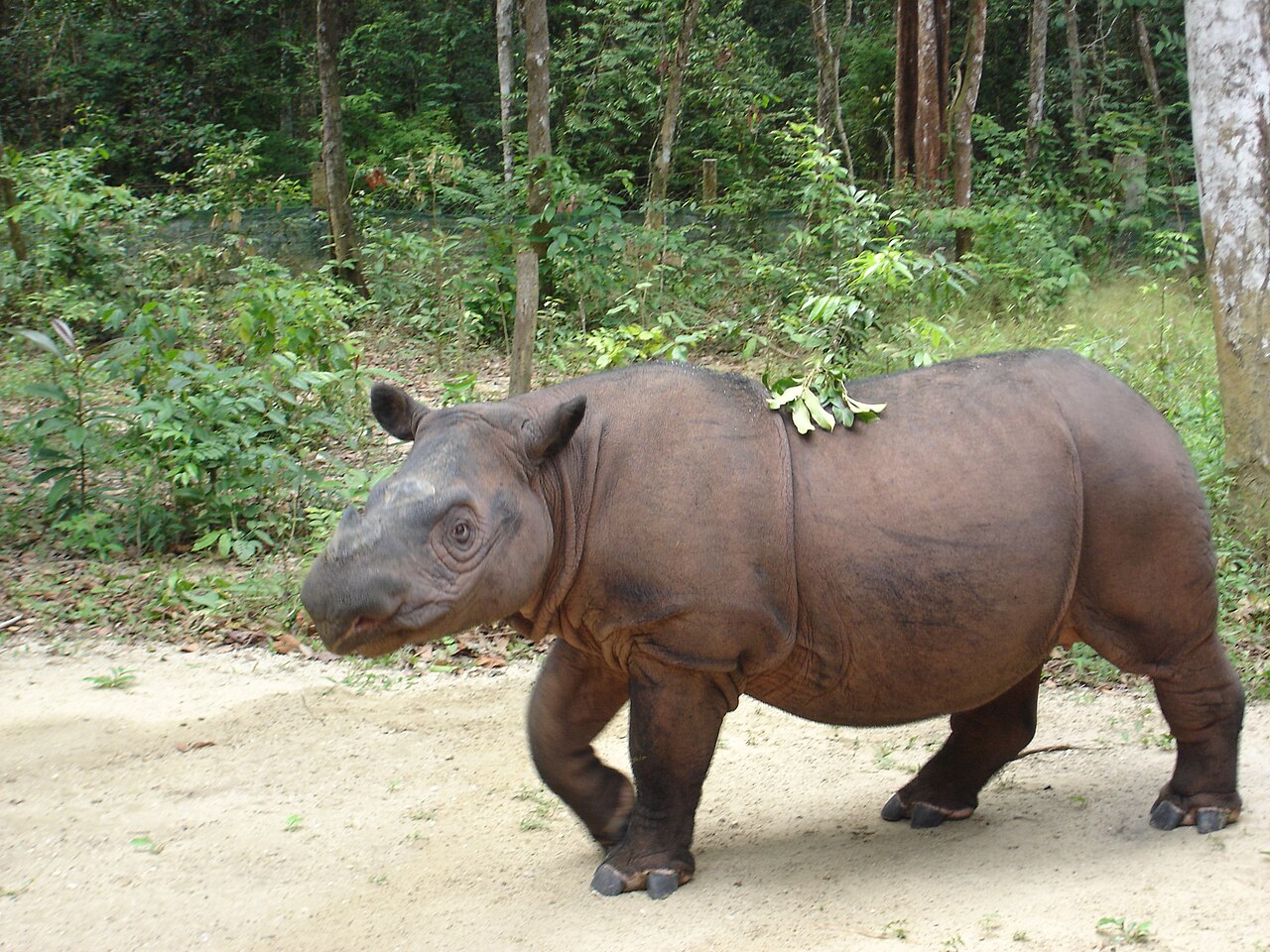
Licensed reference26Isabella / CC BY-SA 3.0 · cc-by-sa
—observations
—countries
—peak records
Critically EndangeredConservation statusIUCN Red List categoriesLCNTVUENCREWEXCritically EndangeredRed List categories, explained →
Diet & prey
- Foliage
- Wild Fruits
- Saplings
Predators
- Sumatran Tiger
- Humans
ThreatsPoaching for horns, habitat fragmentation, and extremely low population density leading to breeding isolation
HabitatsDense tropical rainforests, swamps, and cloud forests
Life span35 to 40 years
Size / weightNot available
Classification
- FamilyRhinocerotidae
- SpeciesDicerorhinus sumatrensis
Native
Interaction riskHigh
- Low
- Moderate
- High
- Very high
- Why interaction risk is high
- Can charge if startled or cornered; maintain a safe distance and never approach.
- Why it is dangerous
- Despite their small size relative to other rhinos, they weigh up to 1,000 kilograms and can charge with surprising speed if threatened.
- How to recognize a risky encounter
- Look for a reddish-brown hairy coat, two distinct horns, and a relatively small, stocky build.
- What to do
- Never approach a rhino in the wild; if encountered, back away quietly and climb a sturdy tree if charged.
- What to notice
- Recognized by its unique hairy skin and double horns in deep Indonesian rainforests.
- Support conservation
- Keep all sighting locations strictly confidential to protect individuals from active poaching networks.
Responsible observation
- Respect Sanctuary Boundaries: Only seek these animals through authorized, guided conservation programs to prevent habitat disturbance.
- Listen for Vocalizations: Listen for high-pitched squeaks and whistle-blows, which indicate a rhino is nearby in dense brush.
- Avoid Fresh Wallows: Steer clear of active mud wallows to prevent surprising a resting individual.

Predator "Sumatran Tiger." by Bernard Spragg is marked with CC0 1.0. To view the terms, visit https://creativecommons.org/publicdomain/zero/1.0/. · cc0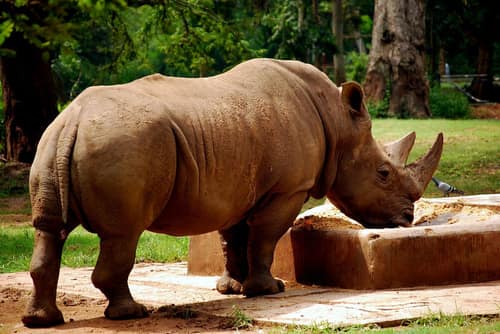
Close Relative "Rhinoceros - Diceros bicornis" by dhruvaraj is licensed under CC BY 2.0. To view a copy of this license, visit https://creativecommons.org/licenses/by/2.0/. · cc-by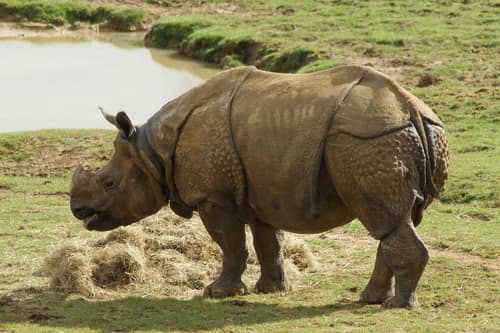
Close Relative "Indian Rhinoceros (Rhinoceros unicornis), ZSL Whipsnade Zoo" by spencer77 is licensed under CC BY 2.0. To view a copy of this license, visit https://creativecommons.org/licenses/by/2.0/. · cc-by
Help improve the field guideSomething wrong?
Checking your Fauna account…Report a name, category, or profile issue for review.