
Mammal
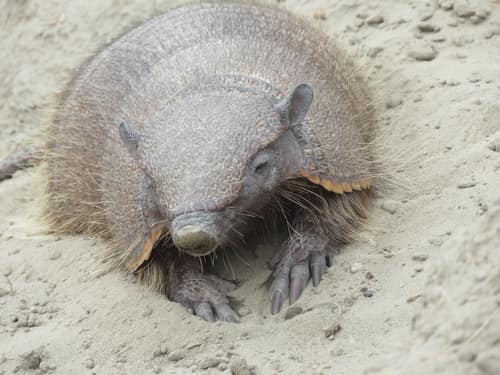
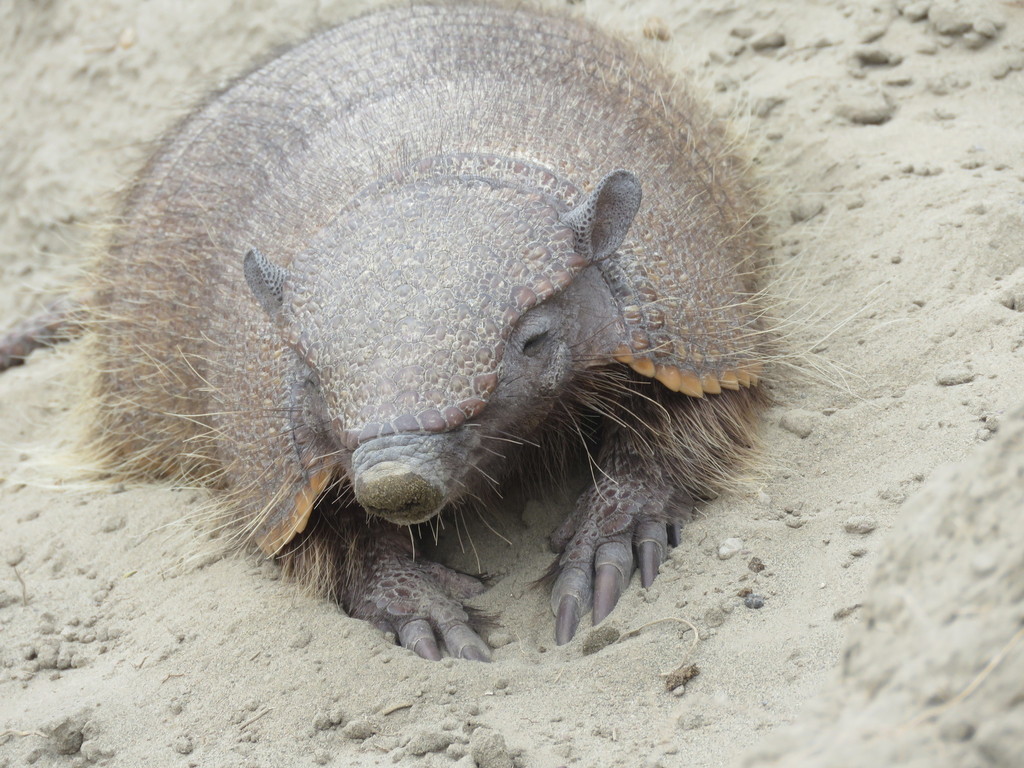
Large Hairy Armadillo
Chaetophractus villosusAlso known as Big Hairy Armadillo, Peludo
Large hairy armadillos rely on exceptional hearing and an acute sense of smell to locate insect grubs, carrion, and plant tubers buried beneath the soil. When alarmed, they quickly draw their limbs beneath a bristly, ossified carapace and can excavate an escape burrow in under a few minutes. Unlike many specialized armadillo relatives, they remain active year-round by shifting their activity cycle from nocturnal during sweltering summers to diurnal in chilly winters.
NocturnalBurrowingArmored
—observations
—countries
—peak records
Least ConcernConservation statusIUCN Red List categoriesLCNTVUENCREWEXLeast ConcernRed List categories, explained →
Diet & preyBeetle larvae, Earthworms, Plant tubers
Predators
- Puma
- Culpeo
- Feral dog
ThreatsVehicle collisions, hunting for food, dog attacks, and agricultural persecution
HabitatsGrasslands, savannas, scrublands, open forests, and agricultural lands
Life span10–16 years
Classification
- FamilyDasypodidae
- SpeciesChaetophractus villosus
Native
Interaction riskLow
- Low
- Moderate
- High
- Very high
- Why interaction risk is low
- Possesses strong digging claws that can scratch if grabbed; observe peacefully from a respectful distance.
Responsible observation
- Quiet Approach: Walk softly and stay downwind, as their sensitive ears and nose detect approaching footsteps easily.
- Burrow Awareness: Avoid stepping on or near fresh tunnel entrances to prevent collapses.
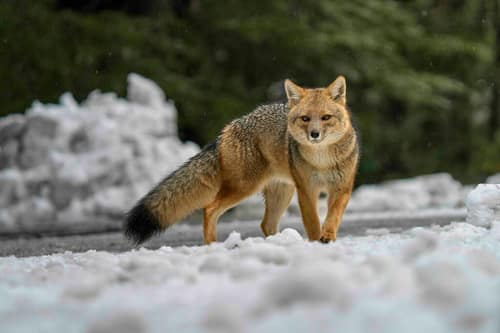
Predator (c) Luciano Massa, some rights reserved (CC BY), uploaded by Luciano Massa · cc-by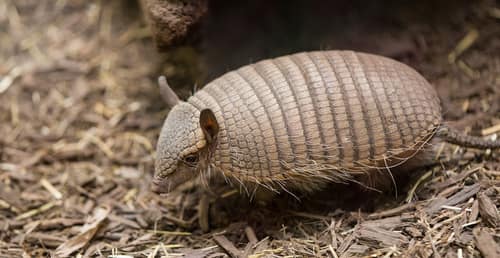
Close Relative "Screaming Hairy Armadillo" by tr.robinson is licensed under CC BY-SA 2.0. To view a copy of this license, visit https://creativecommons.org/licenses/by-sa/2.0/. · cc-by-sa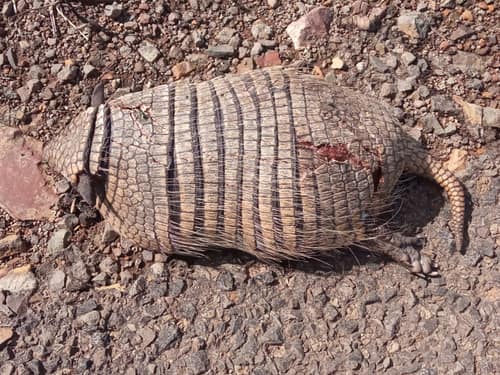
Same Family "six-banded armadillo" by Gonzalo Rodriguez is licensed under CC BY 4.0. To view a copy of this license, visit http://creativecommons.org/licenses/by/4.0/. · cc-by Image unavailable
Same Family
Help improve the field guideSomething wrong?
Checking your Fauna account…Report a name, category, or profile issue for review.