
Mammal
Screaming Hairy Armadillo
Chaetophractus vellerosusAlso known as Small Screaming Armadillo, Crying Armadillo, Small Hairy Armadillo
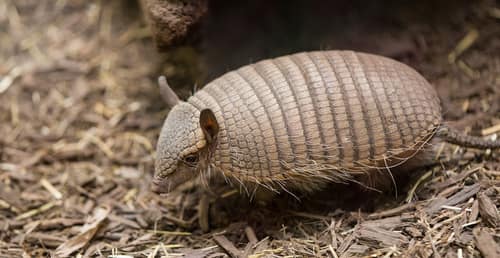
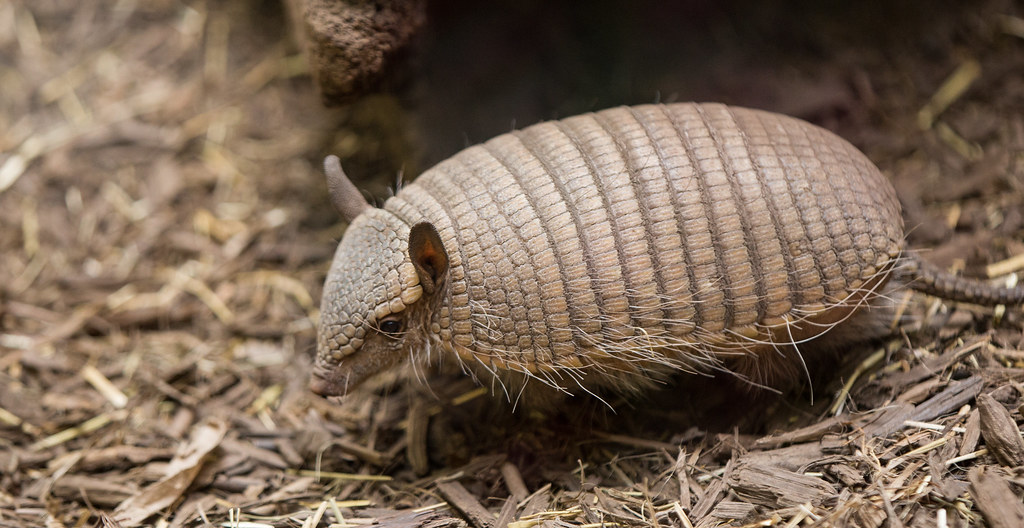
Screaming hairy armadillos are small, industrious diggers covered in a shield of bony plates and surprisingly long, bristly hairs. They construct deep, sloping burrows in sandy soils to escape the desert heat and predators. When threatened or handled, they emit a startlingly loud, high-pitched squeal that deters attackers and warns nearby wildlife.
NocturnalBurrowingMammal
—observations
—countries
—peak records
Least ConcernConservation statusIUCN Red List categoriesLCNTVUENCREWEXLeast ConcernRed List categories, explained →
Diet & preyBeetle larvae, Scorpions, Plant roots
Predators
- Pumas
- Maned wolves
- Raptors
ThreatsHunting for food, agricultural development, and domestic dog attacks
HabitatsArid grasslands, Monte desert, and sandy shrublands of South America
Life span10 to 15 years
Classification
- FamilyDasypodidae
- SpeciesChaetophractus vellerosus
Native
Interaction riskLow
- Low
- Moderate
- High
- Very high
- Why interaction risk is low
- Capable of scratching or biting if handled; observe from a safe distance.
- Why it is dangerous
- Equipped with powerful claws designed for digging that can inflict deep scratches if the animal is cornered or handled.
- How to recognize a risky encounter
- Recognizable by the abundant light-brown hair protruding from its bony plates and its small size.
- What to do
- Never attempt to touch, corner, or pick up; admire their digging skills from a respectful distance.
Responsible observation
- Listen for vocalizations: They emit a loud, high-pitched squeal when startled or handled.
- Look for burrows: Search sandy soils for sloping, semi-circular tunnel entrances.
- Observe at dusk: They are primarily nocturnal during hot summer months to avoid heat.
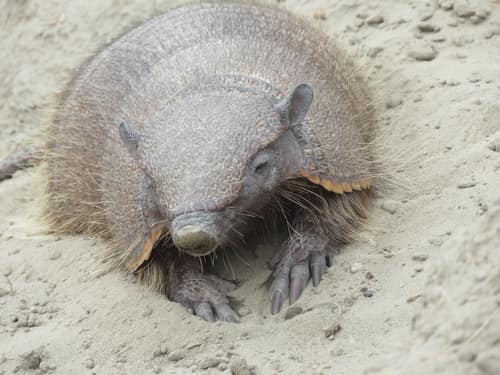
Close Relative no rights reserved, uploaded by Diego Carús · cc0 Image unavailable
Close Relative 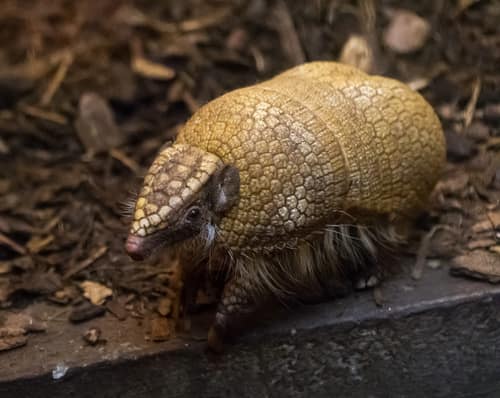
Co-occurring Relative Hedwig Storch / CC BY-SA 3.0 · cc-by-sa
Help improve the field guideSomething wrong?
Checking your Fauna account…Report a name, category, or profile issue for review.