
Mammal · GBIF taxon 2440332
Southern Right Whale
Eubalaena australisAlso known as Black Whale
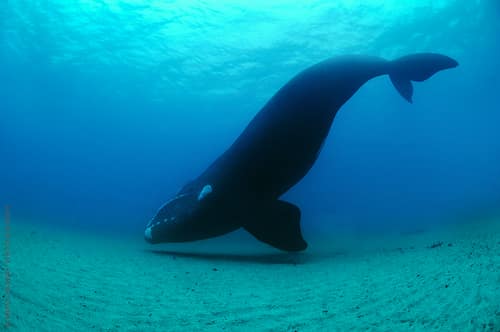
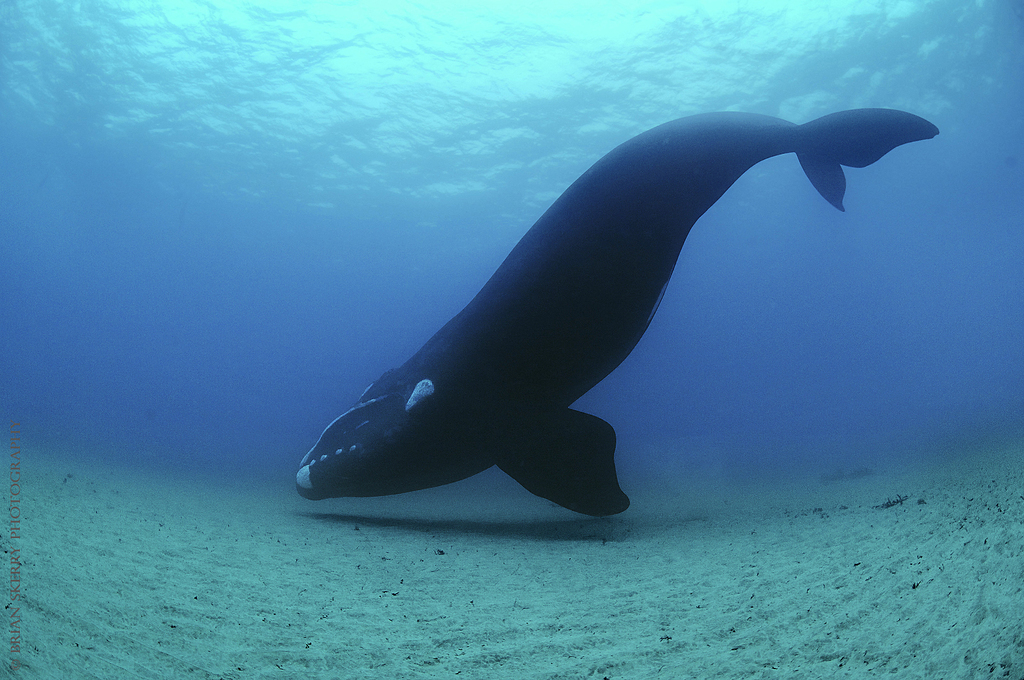
Southern right whales migrate annually from Antarctic feeding grounds to warm, sheltered coastal bays where mothers give birth and nurse their calves. They display unique behaviors such as sailing, raising their broad flukes into the wind to float across the water surface. Distinctive head callosities host specialized whale lice, creating individually unique white patterns that researchers use for field identification.
Marine MammalBaleen WhaleMigratory
—observations
—countries
—peak records
Least ConcernConservation statusIUCN Red List categoriesLCNTVUENCREWEXLeast ConcernRed List categories, explained →
Diet & prey
- Copepods
- Krill
- Mysids
Predators
- Orca
- Kelp Gull
ThreatsVessel strikes, fishing gear entanglement, climate change
HabitatsSubpolar and temperate oceans, coastal bays
Life span70–100 years
Size / weightNot available
Classification
- FamilyBalaenidae
- SpeciesEubalaena australis
Range data is not available yet.
Interaction riskHigh
- Low
- Moderate
- High
- Very high
- Why interaction risk is high
- Enormous body mass poses collision risks for boats; maintain legal viewing distances at sea.
- What to notice
- Identified by a broad black back lacking a dorsal fin and prominent white callosities around the head.
- Support conservation
- Maintain statutory distance buffers when boating and never position a vessel between a mother and calf.
Responsible observation
- Whale Watching: Keep a respectful boat distance of at least 100 meters to avoid disturbing nursing mothers.
- Callosity Identification: Look for white, roughened skin patches on the head to identify individual whales.
- Behavior Spotting: Watch for V-shaped blowhole spouts and tail flukes raised vertically prior to deep dives.
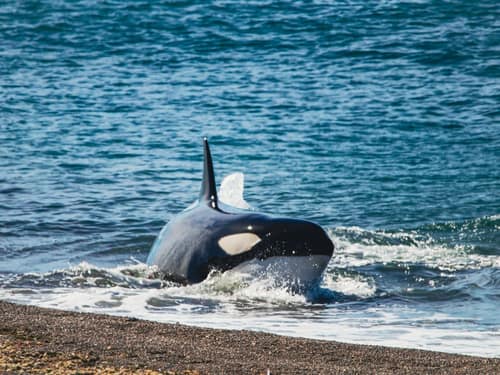
Predator (c) Martín Acosta Albarracín, some rights reserved (CC BY), uploaded by Martín Acosta Albarracín · cc-by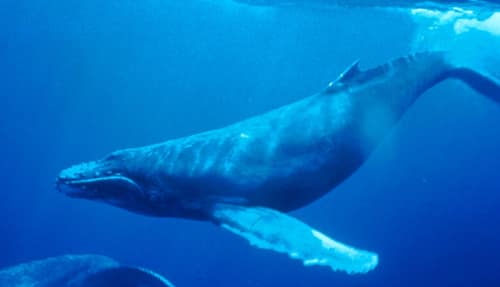
Co-Occurring Species Wikimedia Commons / Public domain · cc0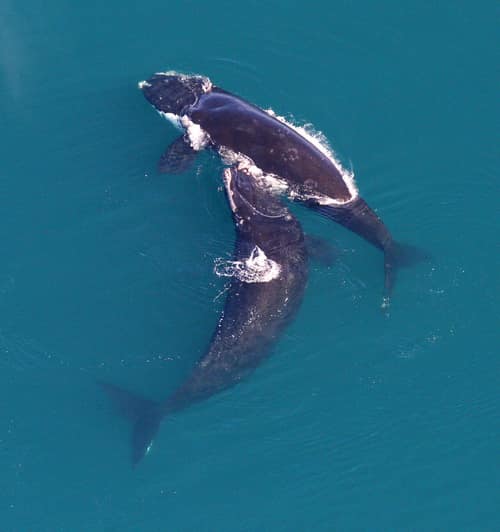
Close Relative National Marine Sanctuaries / Public domain · cc0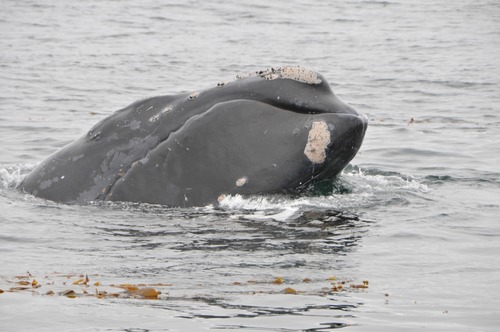
Close Relative (c) Mark Hoffman and Bruce Long, some rights reserved (CC BY-SA) · cc-by-sa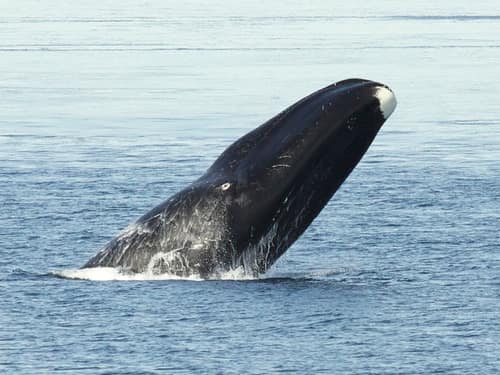
Family Relative (c) Bering Land Bridge National Preserve, some rights reserved (CC BY-SA) · cc-by-sa
Help improve the field guideSomething wrong?
Checking your Fauna account…Report a name, category, or profile issue for review.