
Mammal · GBIF taxon 2440330
Bowhead Whale
Balaena mysticetusAlso known as Greenland Right Whale, Arctic Whale, Polar Whale
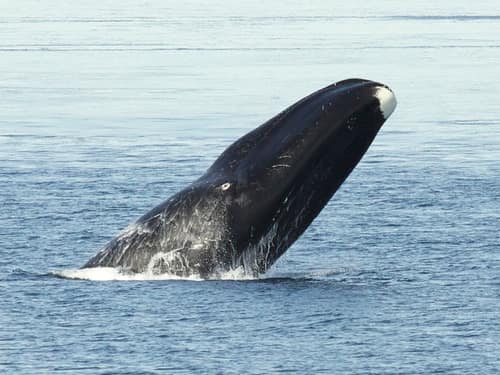
Bowhead whales navigate the frozen fractures of the Arctic, using their massive, reinforced skulls to break through sea ice up to two feet thick. These slow-moving giants possess the thickest blubber of any animal, insulating them against sub-zero waters while they filter massive swarms of tiny zooplankton through their long, comb-like baleen plates. Renowned for their incredible longevity, some individuals carry stone harpoon points from nineteenth-century hunts, revealing they can live for over two centuries.
ArcticMarineMammal
—observations
—countries
—peak records
Least ConcernConservation statusIUCN Red List categoriesLCNTVUENCREWEXLeast ConcernRed List categories, explained →
Diet & prey
- Copepods
- Krill
- Mysids
Predators
- Killer Whale
- Human
ThreatsClimate change, ship strikes, ocean noise, oil exploration
HabitatsArctic oceans, pack ice, subarctic seas
Life spanOver 200 years
Size / weightNot available
Classification
- FamilyBalaenidae
- SpeciesBalaena mysticetus
Range data is not available yet.
Interaction riskHigh
- Low
- Moderate
- High
- Very high
- Why interaction risk is high
- Massive size can accidentally capsize small vessels; maintain a respectful distance of at least 100 yards.
- Why it is dangerous
- Massive body size and powerful tail flukes can easily capsize kayaks or small boats if the whale is startled.
- How to recognize a risky encounter
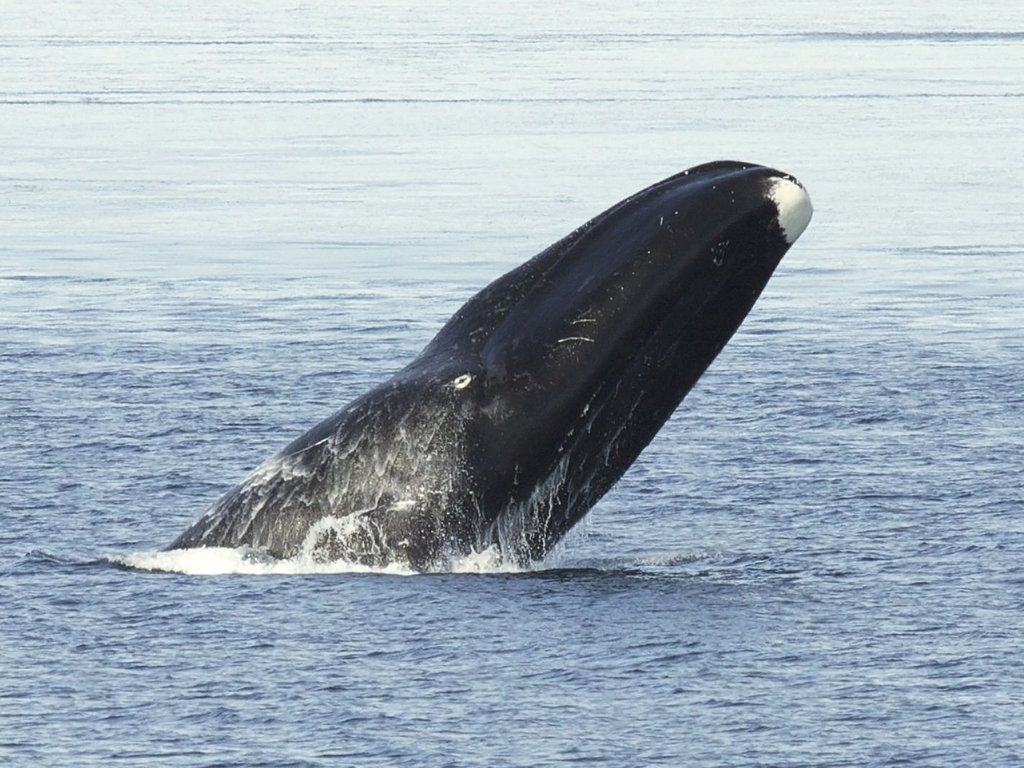
- Look for a massive, dark, dorsal-finless body with a strongly arched jawline and a white chin patch.
- What to do
- Keep a distance of at least 100 yards and never position a boat between a mother and calf.
- What to notice
- Recognized by their lack of a dorsal fin, high-arched jaw, and distinctive V-shaped blow.
- Support conservation
- Minimize engine noise and avoid crossing their travel path to prevent disrupting critical feeding behaviors.
Responsible observation
- Vessel Distance: Maintain a distance of at least 100 yards to avoid disturbing their natural surfacing patterns.
- Acoustic Awareness: Turn off boat engines when nearby, as these whales rely heavily on low-frequency sounds to navigate ice.
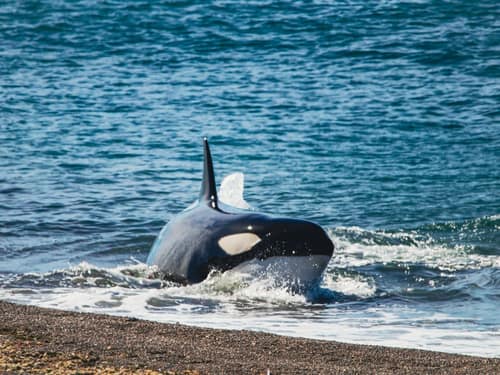
Predator (c) Martín Acosta Albarracín, some rights reserved (CC BY), uploaded by Martín Acosta Albarracín · cc-by Image unavailable
Prey 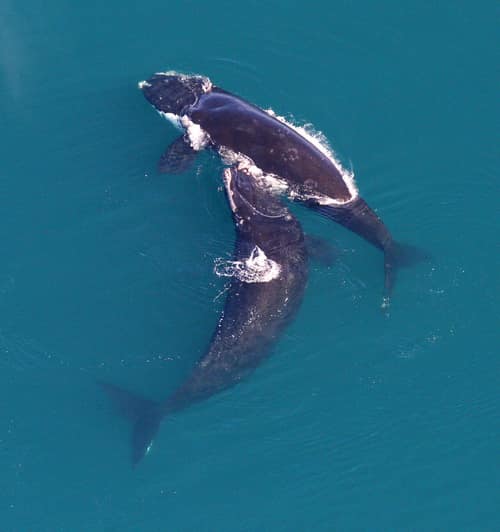
Close Relative National Marine Sanctuaries / Public domain · cc0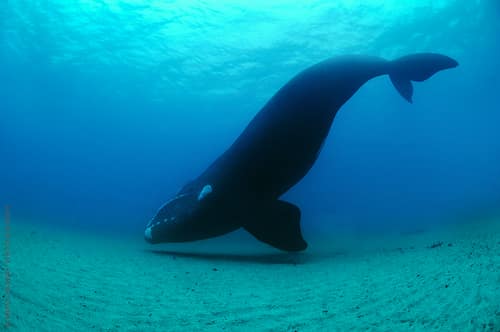
Close Relative (c) Oregon State University, some rights reserved (CC BY-SA) · cc-by-sa
Help improve the field guideSomething wrong?
Checking your Fauna account…Report a name, category, or profile issue for review.