
Mammal
Yellow-bellied Marmot
Marmota flaviventrisAlso known as Rock Chuck
Yellow-bellied marmots are stocky, high-altitude ground squirrels easily recognized by their yellowish chests, grizzled brown fur, and white patches between their eyes. Living in colonies centered around rocky outcrops, these diurnal mammals spend their mornings foraging on grasses and seeds before basking atop sunlit boulders. When danger approaches, a vigilant sentinel whistles a sharp alarm call, sending the harem scrambling into deep underground burrows.
High AltitudeSocialDiurnal
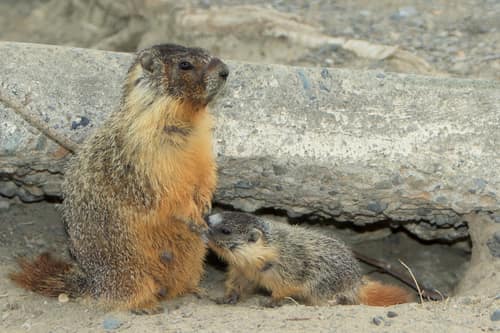
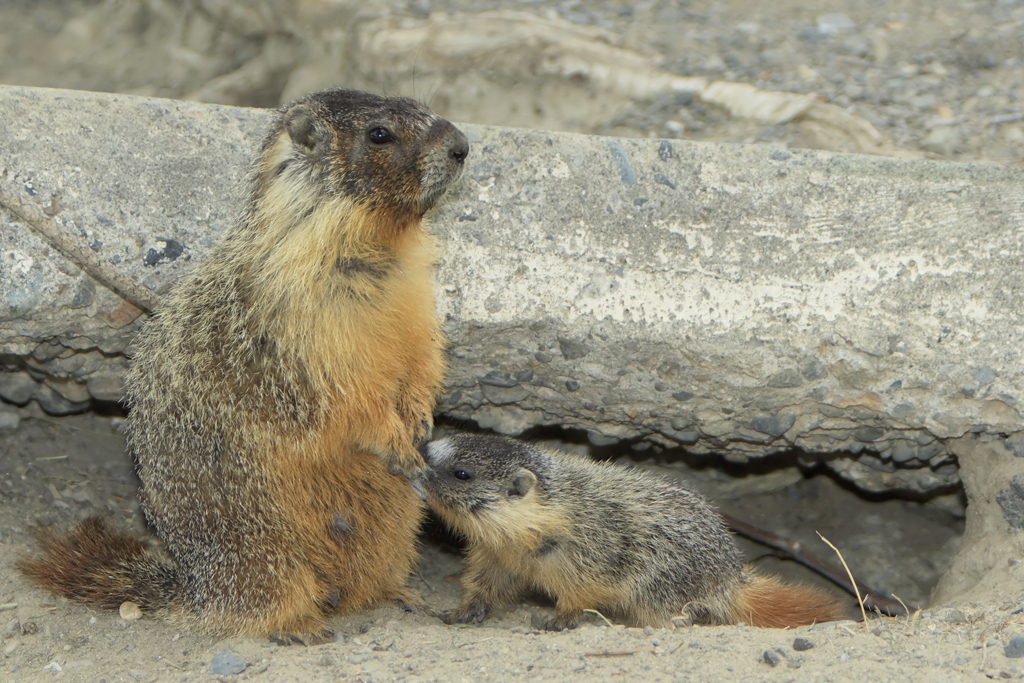
—observations
—countries
—peak records
Least ConcernConservation statusIUCN Red List categoriesLCNTVUENCREWEXLeast ConcernRed List categories, explained →
Diet & preyGrasses, Forbs, Insects
Predators
- Golden Eagle
- Coyote
- Cougar
ThreatsClimate change reducing winter snowpack, habitat fragmentation, and predation
HabitatsAlpine meadows, talus slopes, rocky outcrops, and semi-arid steppes
Life span13–15 years
Classification
- OrderRodentia
- FamilySciuridae
- GenusMarmota
- SpeciesMarmota flaviventris
Native
Interaction riskLow
- Low
- Moderate
- High
- Very high
- Why interaction risk is low
- Capable of delivering a painful bite if cornered or handled; observe from a safe distance.
Responsible observation
- Listen for Alarms: Pay attention to sharp, high-pitched whistles that signal a marmot sentinel has spotted potential danger.
- Scan Sunlit Boulders: Look atop large rock piles and talus slopes during late morning when individuals surface to bask.
- Maintain Safe Distance: Do not offer food or approach closely to prevent habituating marmots to human presence.
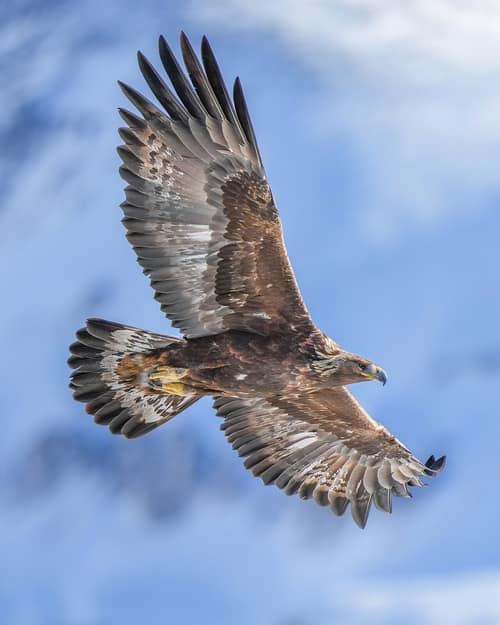
Predator Giles Laurent / CC BY-SA 4.0 · cc-by-sa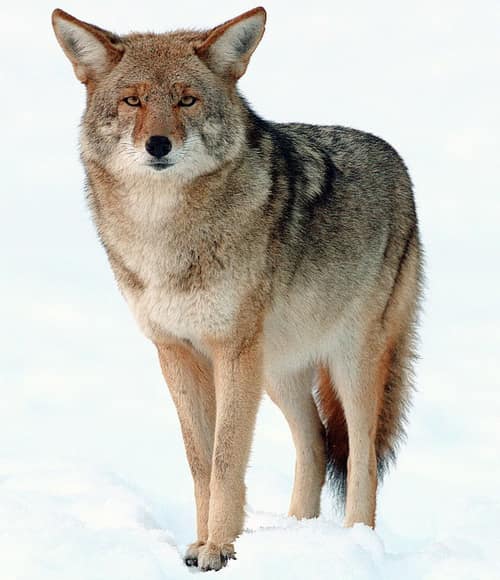
Predator Yathin S Krishnappa / CC BY-SA 3.0 · cc-by-sa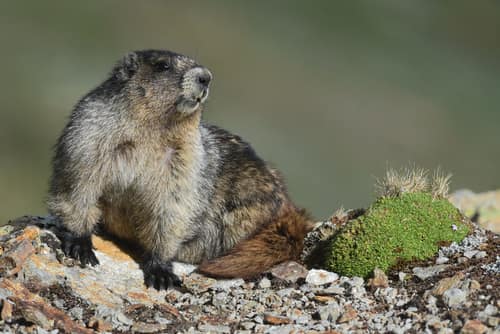
Close Relative no rights reserved, uploaded by Braden J. Judson · cc0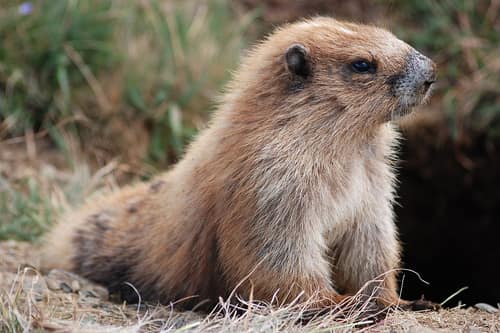
Close Relative Helen Rickard from West Midlands, UK / CC BY-SA 2.0 · cc-by-sa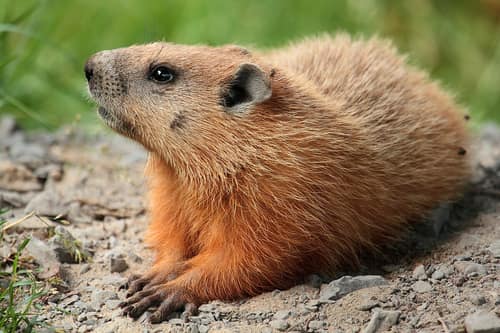
Close Relative Cephas / CC BY-SA 3.0 · cc-by-sa
Keep collecting in Fauna
Found in Collections
Ecosystem chain Pro
Alpine Heights
Yellow-bellied Marmot is found in this collection. Identify it in Fauna to fill this slot and continue your progress.
Unlock to track progress
Help improve the field guideSomething wrong?
Checking your Fauna account…Report a name, category, or profile issue for review.