
Mammal · GBIF taxon 2437125
Long-eared Hedgehog
Hemiechinus auritusAlso known as Egyptian Long-eared Hedgehog
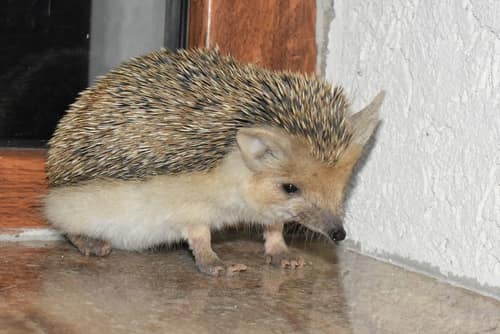
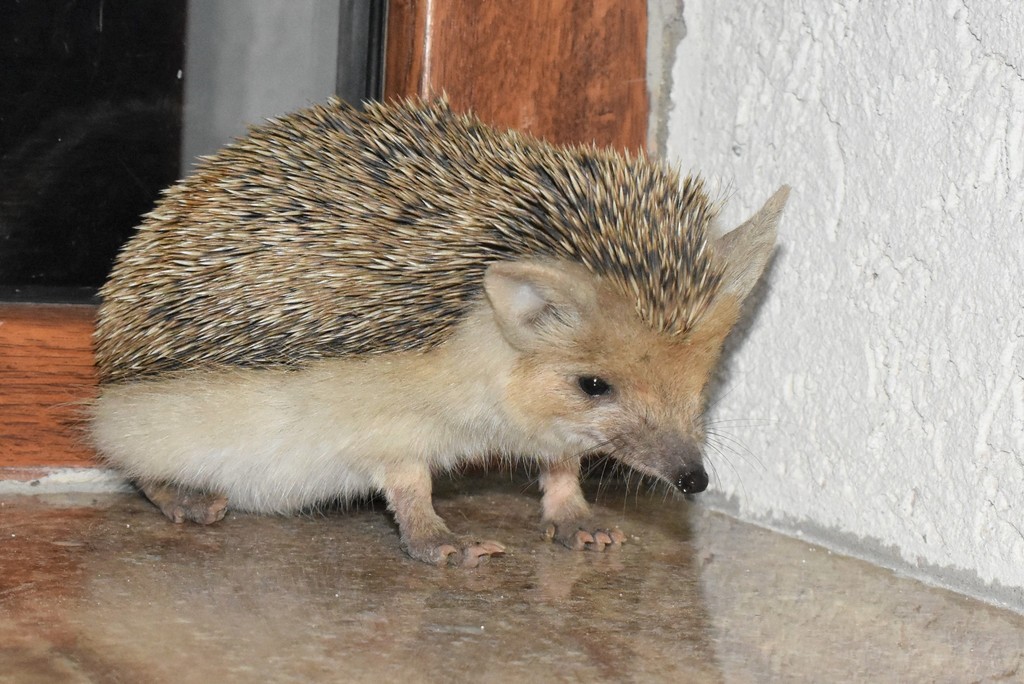
Long-eared hedgehogs navigate the arid steppes and deserts of Central Asia and the Middle East, using their oversized ears to dissipate body heat and pinpoint the faint rustling of insects. Unlike their heavier European cousins, these agile foragers run swiftly across sandy terrain and dig shallow burrows to escape scorching daytime temperatures. When threatened, they often choose rapid flight or energetic lunges over curling into a tight spiny ball.
NocturnalArid AdaptedInsectivore
—observations
—countries
—peak records
Least ConcernConservation statusIUCN Red List categoriesLCNTVUENCREWEXLeast ConcernRed List categories, explained →
Diet & prey
- Beetles
- Grasshoppers
- Lizards
Predators
- Owls
- Eagles
- Foxes
ThreatsHabitat degradation, vehicle collisions, and agricultural pesticides
HabitatsDeserts, dry steppes, semi-deserts, and scrublands
Life span3–6 years in the wild
Size / weightNot available
Classification
- FamilyErinaceidae
- SpeciesHemiechinus auritus
Range data is not available yet.
Interaction riskModerate
- Low
- Moderate
- High
- Very high
- Why interaction risk is moderate
- Wild individuals carry ticks that transmit pathogens; observe from a safe distance without touching.
- Why it is dangerous
- Carries brown dog ticks that transmit Boutonneuse fever, and can deliver sharp bites or spine pricks if handled.
- How to recognize a risky encounter
- Identified by prominent ears exceeding three centimeters in length and pale sand-colored spines.
- What to do
- Maintain a respectful distance and avoid touching wild individuals with bare hands.
Responsible observation
- Night Scouting: Search dry sandy areas after dusk using a dim red light to spot active foragers.
- Safe Observation: Avoid picking up wild individuals to prevent tick transmission and sharp spine pricks.
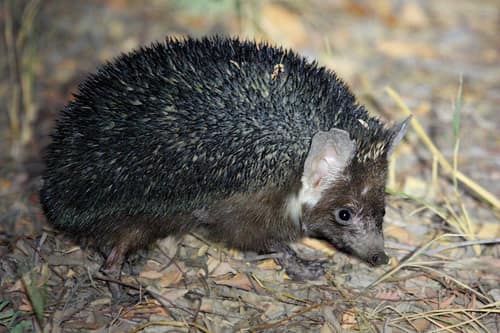
Close Relative (c) Shah Jahan, some rights reserved (CC BY-SA) · cc-by-sa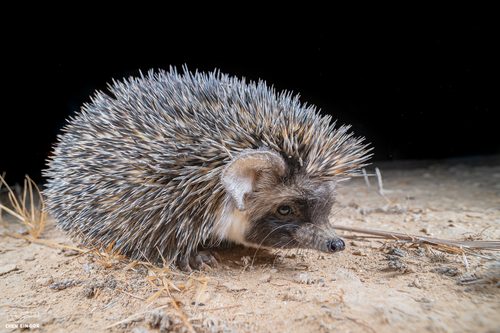
Close Relative Chen Ein-Dor / CC BY-SA 4.0 · cc-by-sa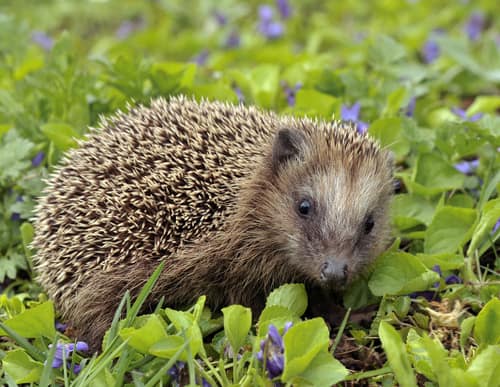
Family Member (c) Michael Gäbler, some rights reserved (CC BY-SA) · cc-by-sa
Help improve the field guideSomething wrong?
Checking your Fauna account…Report a name, category, or profile issue for review.