
Mammal · GBIF taxon 5219616
Common Hedgehog
Erinaceus europaeusAlso known as European Hedgehog, West European Hedgehog, Western European Hedgehog
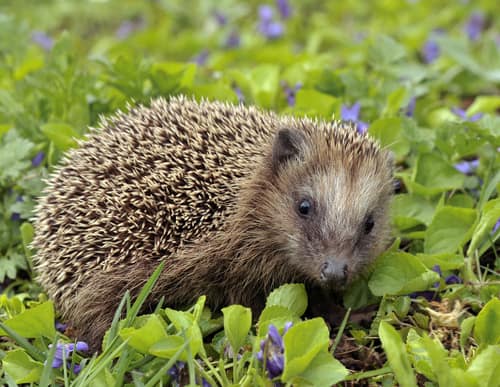
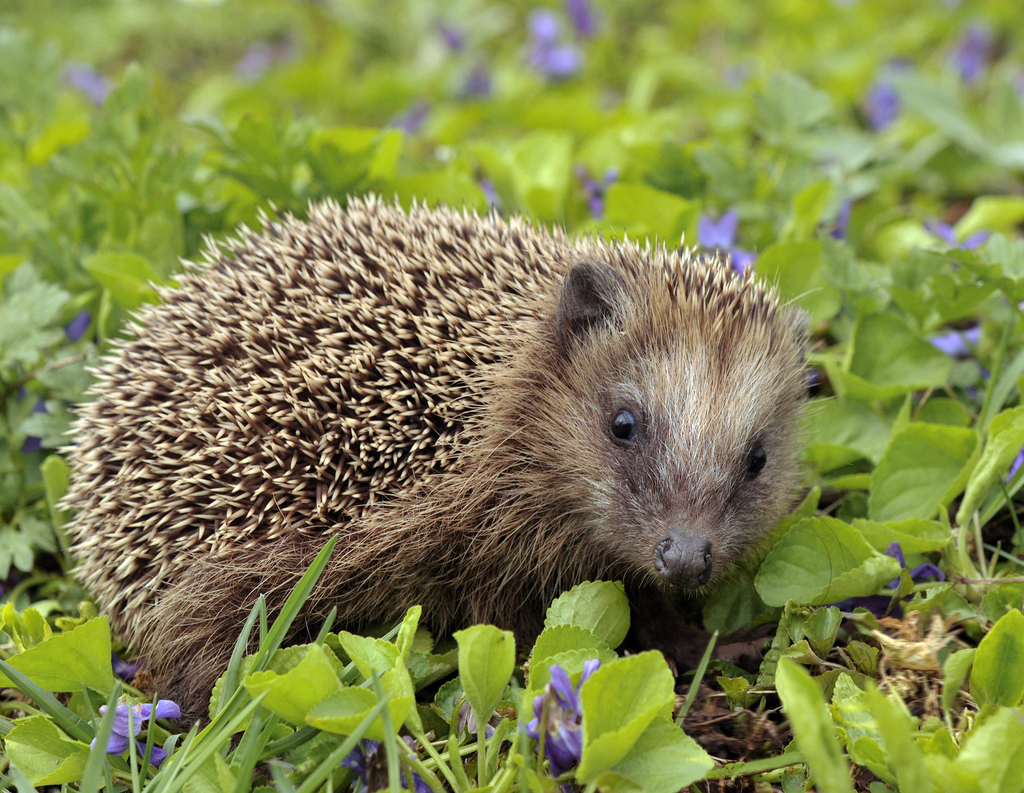
European hedgehogs roam night-bound gardens and hedgerows, using a sharp sense of smell to unearth abundant invertebrate prey. When threatened, a specialized mantle muscle draws their skin tight over their head and limbs, transforming them into a ball of over five thousand protective spines. Females build autumn maternal nests of dry leaves, nursing litters of soft-spined hoglets before settling into winter hibernation.
NocturnalHibernatingGarden Ally
—observations
—countries
—peak records
Near ThreatenedConservation statusIUCN Red List categoriesLCNTVUENCREWEXNear ThreatenedRed List categories, explained →
Diet & prey
- Earthworms
- Beetles
- Slugs
Predators
- European Badger
- Eurasian Eagle-Owl
- Red Fox
ThreatsHabitat fragmentation, road traffic, pesticides, lawnmowers
HabitatsWoodland edges, hedgerows, suburban gardens, pastures
Life span2–5 years
Size / weightNot available
Classification
- FamilyErinaceidae
- SpeciesErinaceus europaeus
Native
Interaction riskLow
- Low
- Moderate
- High
- Very high
- Why interaction risk is low
- Prickly spines can puncture skin and wild hedgehogs may bite if handled; observe from a respectful distance.
- What to notice
- Recognizable by a dark-pointed face and a dense upper coat of banded brown and cream spines.
- Support conservation
- Give foraging hedgehogs plenty of space, drive carefully at night, and preserve ground-level garden cover.
Responsible observation
- Garden Access: Cut small gaps at the base of garden fences to create connected hedgehog highways.
- Safe Feeding: Provide fresh water and meat-based cat food, but never offer cow milk.
- Pre-Mowing Checks: Check tall grass, compost piles, and leaf heaps before strimming or lighting bonfires.
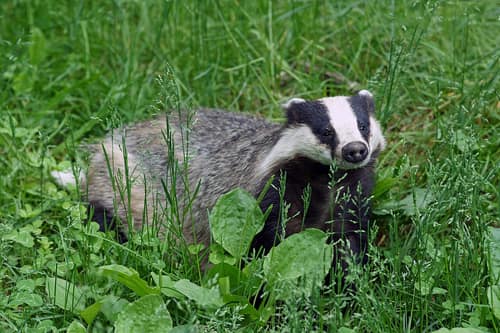
Predator And Competitor kallerna / CC BY-SA 3.0 · cc-by-sa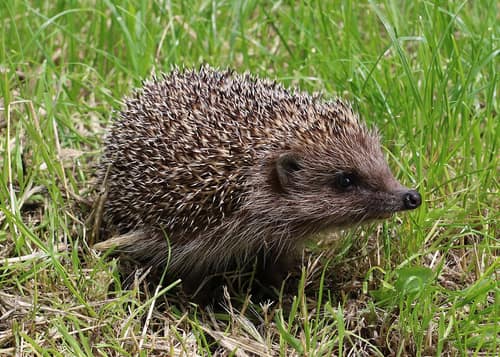
Close Relative George Chernilevsky / Public domain · cc0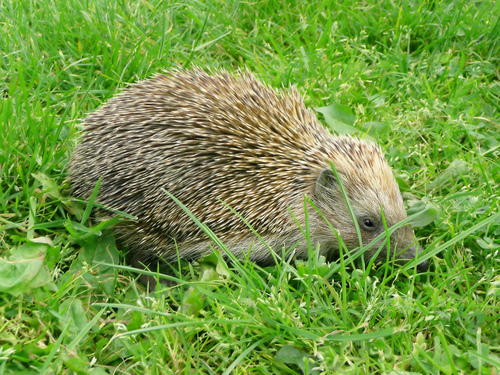
Close Relative (c) Nevit Dilmen, some rights reserved (CC BY-SA) · cc-by-sa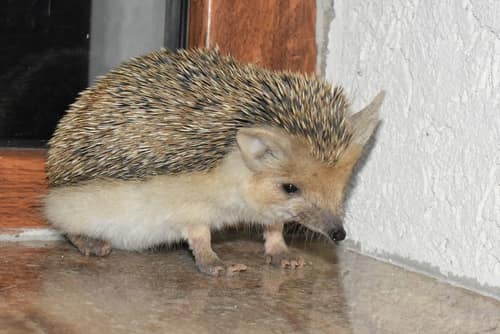
Distant Relative (c) Kudaibergen Amirekul, some rights reserved (CC BY-SA), uploaded by Kudaibergen Amirekul · cc-by-sa
Help improve the field guideSomething wrong?
Checking your Fauna account…Report a name, category, or profile issue for review.