Mammal · GBIF taxon 2436615
Formosan Macaque
Macaca cyclopisAlso known as Formosan Rock Macaque, Formosan Rock Monkey, Taiwanese Macaque
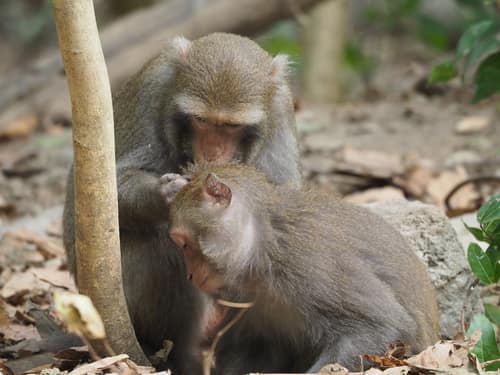
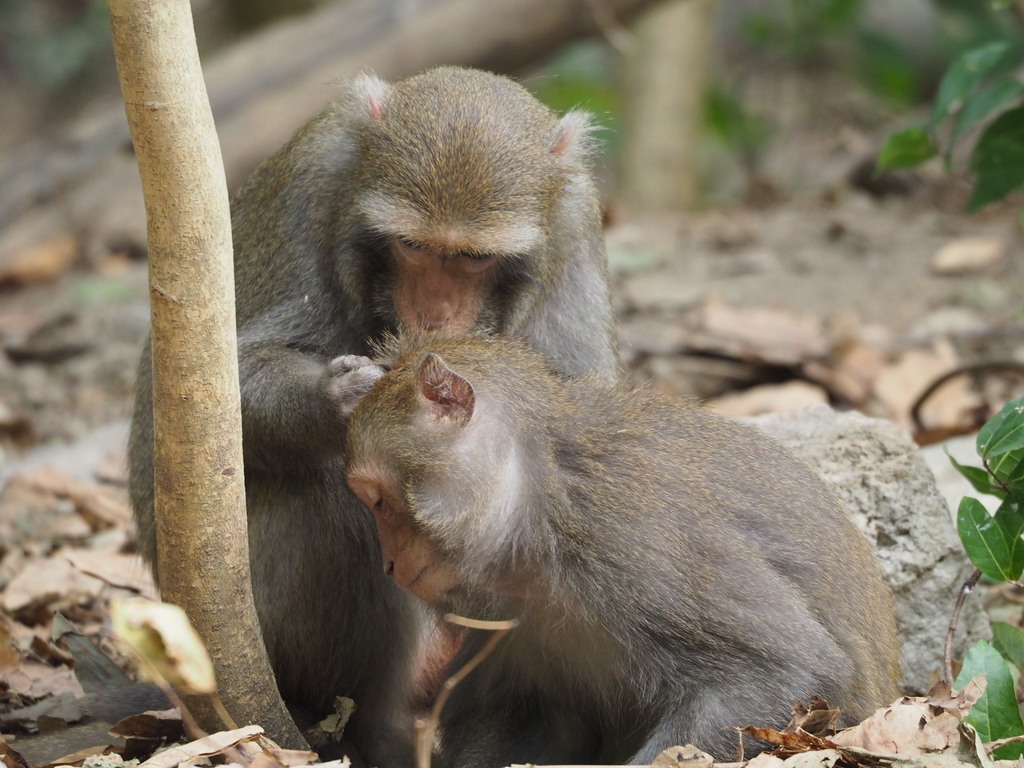
Formosan macaques navigate Taiwan's steep coastal cliffs and mountain broadleaf forests in matrilineal troops numbering up to 45 individuals. Communicating through complex vocalizations, facial expressions, and mutual grooming, these adaptable primates spend their days foraging for seasonal vegetation and roosting in high tree canopy or rocky outcrops. Decades of human contact near urban parks have habituated certain populations, leading to bold food-seeking behaviors near popular hiking routes.

SocialPrimateDiurnal

Licensed referenceno rights reserved, uploaded by 葉子 · cc0
—observations
—countries
—peak records
Least ConcernConservation statusIUCN Red List categoriesLCNTVUENCREWEXLeast ConcernRed List categories, explained →
Diet & prey
- Wild Figs
- Acorns
- Insects
Predators
- Crested Serpent Eagle
- Feral Dogs
ThreatsAgricultural conflict, road mortality, habituation to human food
HabitatsMixed coniferous forests, temperate broadleaf forests, coastal rocky cliffs
Life span15–20 years in the wild
Size / weightNot available
Classification
- FamilyCercopithecidae
- SpeciesMacaca cyclopis
Range data is not available yet.
Interaction riskModerate
- Low
- Moderate
- High
- Very high
- Why interaction risk is moderate
- May bite or scratch if cornered or attracted by food; observe from a safe distance and never feed.
- Why it is dangerous
- Can inflict severe bite wounds when defending territory or searching for food, and potentially carries zoonotic pathogens.
- How to recognize a risky encounter
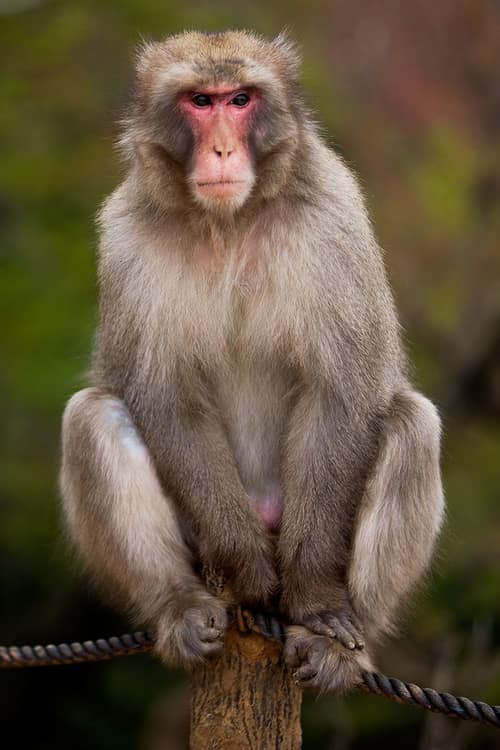
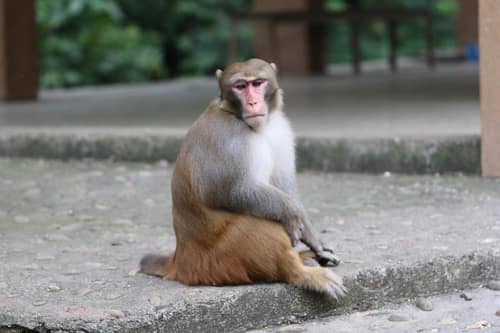
- Medium-sized monkey with dark grey-brown fur, a hairless pinkish face, and a prominent tail.
- What to do
- Never offer food, touch, or corner an individual, and back away calmly if one approaches aggressively.
Responsible observation
- Secure Visible Food: Keep snacks and plastic bags completely hidden inside backpacks while hiking.
- Maintain Safe Distance: Observe troops from at least five meters away without blocking their path.
- Avoid Direct Eye Contact: Prolonged staring is interpreted by dominant males as a direct threat.
Help improve the field guideSomething wrong?
Checking your Fauna account…Report a name, category, or profile issue for review.