
Mammal · GBIF taxon 2436612
Bonnet Macaque
Macaca radiataAlso known as Zati, Indian Bonnet Macaque, South Indian Macaque
Bonnet macaques are recognized by the distinctive whorl of dark hair radiating outward from the center of their crown like a neat cap. These highly social primates live in complex hierarchical troops that thrive across diverse habitats, from tropical evergreen forests to bustling temple grounds and urban roadsides. Their quick intelligence and opportunistic habits allow them to exploit both natural forest foods and human resources.
DiurnalSocialEndemic
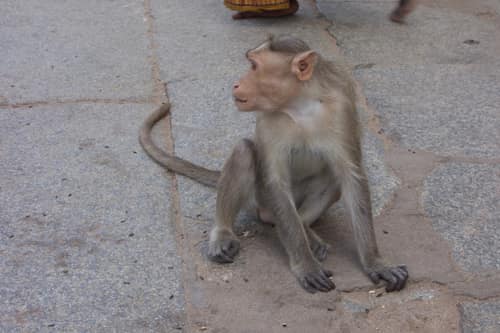
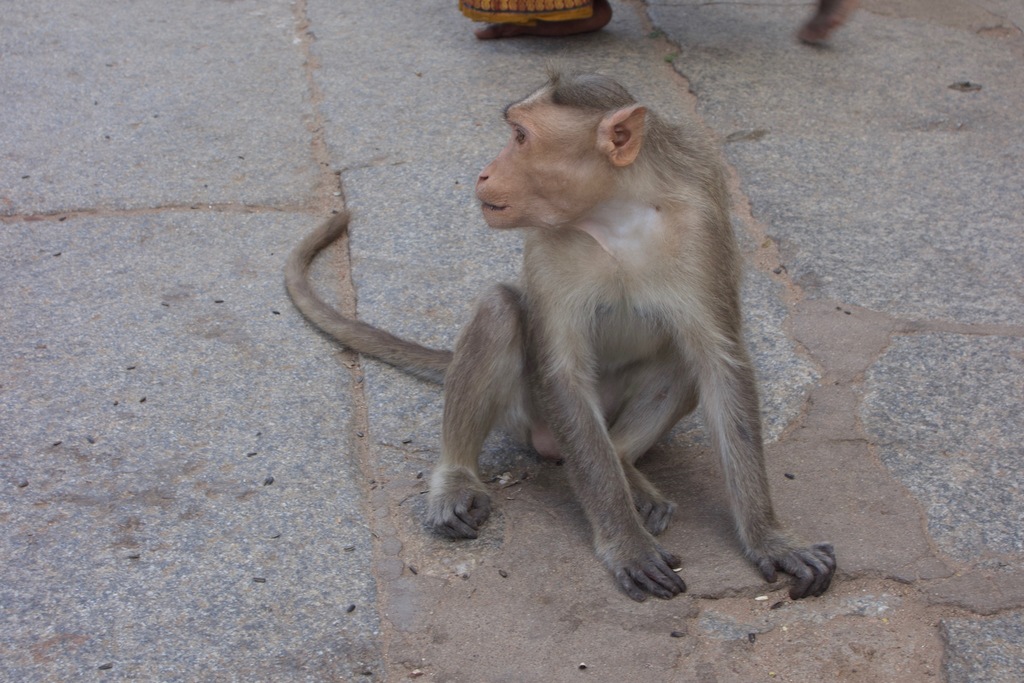
—observations
—countries
—peak records
VulnerableConservation statusIUCN Red List categoriesLCNTVUENCREWEXVulnerableRed List categories, explained →
Diet & prey
- Fruits
- Insects
- Seeds
Predators
- Leopard
- Dhole
- Indian Python
ThreatsHabitat loss, human conflict, and competitive displacement by expanding rhesus macaque populations
HabitatsDeciduous and evergreen forests, agricultural lands, urban areas, and temple complexes
Life span20–30 years
Size / weightNot available
Classification
- FamilyCercopithecidae
- SpeciesMacaca radiata
Range data is not available yet.
Interaction riskModerate
- Low
- Moderate
- High
- Very high
- Why interaction risk is moderate
- May bite or scratch if cornered or enticed with food; keep a safe distance.
- Why it is dangerous
- Bites and scratches can inflict severe physical wounds and transmit pathogens like rabies, tetanus, and herpes B virus.
- How to recognize a risky encounter
- Look for a central whorl of dark hair on top of the head, a brownish coat, long tail, and bare pink face.
- What to do
- Never feed macaques by hand or enter the center of a troop; slowly retreat if individuals act aggressive.
- What to notice
- Recognizable by the radiatively parted cap of hair, medium build, and social grouping in forest and suburban edges.
- Support conservation
- Refrain from feeding or habituating wild troops to protect both humans and wild macaque populations.
Responsible observation
- Observe from a distance: Maintain space and avoid direct eye contact, which macaques interpret as a threat.
- Secure food items: Keep food and shiny objects packed away to prevent aggressive bold behavior.
- Recognize warnings: Open-mouth stares, lunges, and ground-slapping are signals to back away slowly.
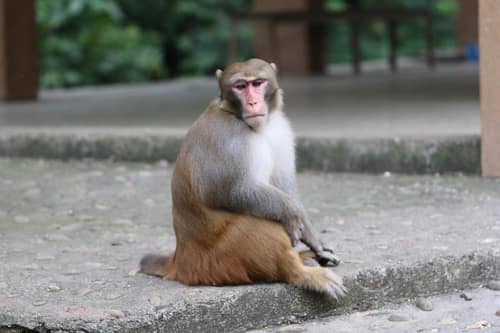
Competitor (c) Donald Hobern, some rights reserved (CC BY) · cc-by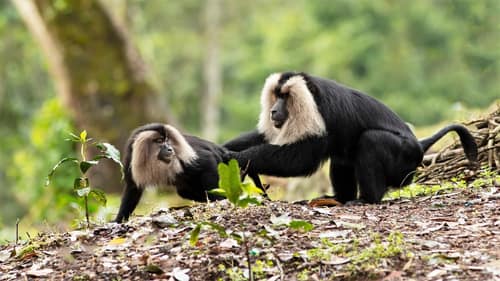
Close Relative (c) Pramod CL, some rights reserved (CC BY), uploaded by Pramod CL · cc-by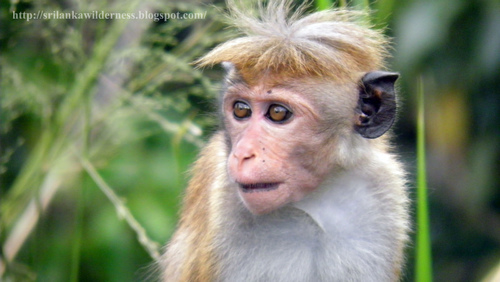
Close Relative (c) Amila Kanchana, some rights reserved (CC BY-SA) · cc-by-sa
Help improve the field guideSomething wrong?
Checking your Fauna account…Report a name, category, or profile issue for review.