
Mammal · GBIF taxon 2436617
Lion-tailed Macaque
Macaca silenusAlso known as Wanderoo
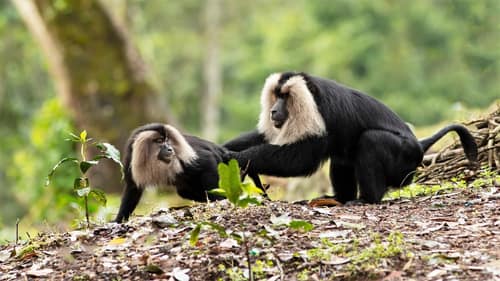
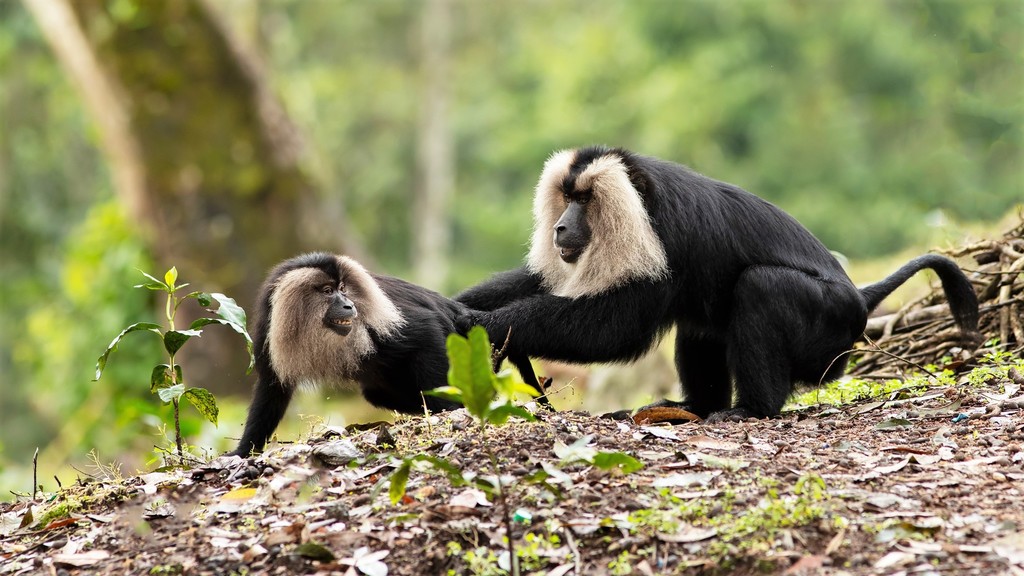
Lion-tailed macaques are highly arboreal primates easily recognized by the striking silver-white mane framing their dark faces and the tufted tip of their tail. Living in small, tight-knit troops within the upper canopy of tropical evergreen rainforests, they communicate across dense foliage using resonant call sounds and subtle facial expressions. Their survival is intimately tied to intact rainforest habitat, as they spend almost all their time high above the forest floor foraging for native fruits, seeds, and small animals.
ArborealDiurnal
—observations
—countries
—peak records
EndangeredConservation statusIUCN Red List categoriesLCNTVUENCREWEXEndangeredRed List categories, explained →
Diet & prey
- Ficus fruits
- Cullenia exarillata fruit
- Tree frogs
Predators
- Indian Leopard
- Crested Serpent Eagle
- Dhole
ThreatsHabitat fragmentation, deforestation, roadkills, agricultural expansion
HabitatsTropical evergreen rainforest canopy
Life span20–30 years
Size / weightNot available
Classification
- FamilyCercopithecidae
- SpeciesMacaca silenus
Native
Interaction riskLow
- Low
- Moderate
- High
- Very high
- Why interaction risk is low
- Primates can inflict sharp bites if cornered; observe quietly from a safe distance.
- Why it is dangerous
- Possesses sharp canine teeth and strong jaws capable of causing severe bite wounds if threatened or cornered.
- How to recognize a risky encounter
- Look for a jet-black body, a massive silver-grey mane encircling the face, and a black tail ending in a tuft.
- What to do
- Never approach, feed, or attempt to touch wild macaques; slowly back away if one approaches you.
- What to notice
- Identified by its silver mane, jet-black body, and preference for high rainforest canopy.
- Support conservation
- Remain on established trails, keep noise levels low, and never share precise location data of wild troops publicly.
Responsible observation
- Keep your distance: Stay at least 15 meters away to avoid distressing these shy, canopy-dwelling monkeys.
- Do not feed: Handouts habituate macaques to humans, increasing risks of road hazards and human conflict.
- Listen for calls: Locate troops by their distinct loud call, which males use to declare territory.
 Image unavailable
Frequent Companion 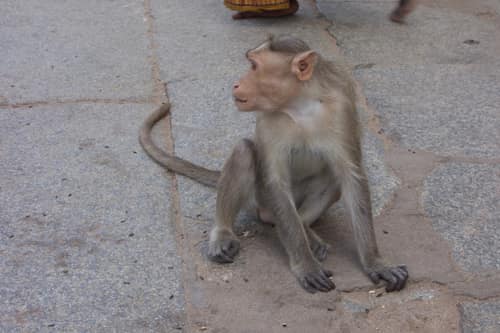
Close Relative (c) Stefano Menchetti, some rights reserved (CC BY-SA), uploaded by Stefano Menchetti · cc-by-sa
Help improve the field guideSomething wrong?
Checking your Fauna account…Report a name, category, or profile issue for review.