
Mammal
Bengal Sacred Langur
Semnopithecus entellusAlso known as Northern Plains Gray Langur, Hanuman Langur, Sacred Langur, Plains Gray Langur
Sacred langurs move through forest canopies and temple grounds in cohesive troops, leaping across wide canopy gaps with agility stabilized by their exceptionally long tails. They spend cooler morning hours foraging on leaves and wild fruits, retiring to high branches during midday heat for bouts of social grooming and rest. Revered across northern India as living representations of the deity Hanuman, they adapt readily to human landscapes, moving effortlessly between rural village rooftops and dense deciduous forests.
DiurnalArborealSocial
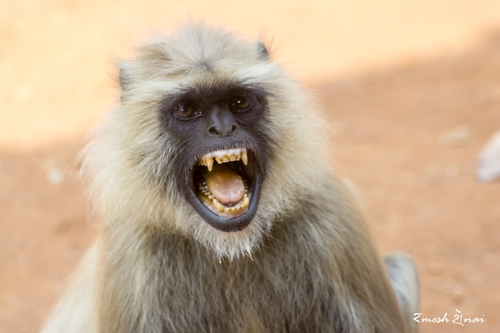
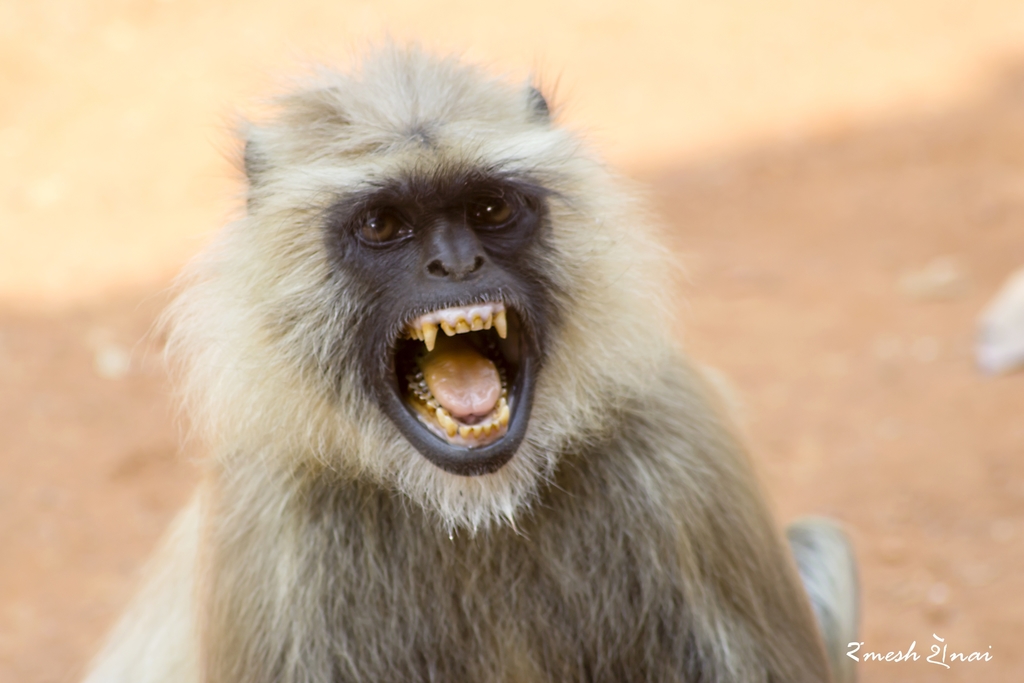
—observations
—countries
—peak records
Least ConcernConservation statusIUCN Red List categoriesLCNTVUENCREWEXLeast ConcernRed List categories, explained →
Diet & preyDeciduous tree leaves, Wild figs, Acacia seed pods
Predators
- Indian Leopard
- Bengal Tiger
- Dhole
ThreatsHabitat fragmentation, road mortality, electrocution from power lines, crop retaliation
HabitatsDry deciduous forests, scrublands, cultivated lands, urban settlements
Life span18–25 years
Classification
- FamilyCercopithecidae
- SpeciesSemnopithecus entellus
Range data is not available yet.
Interaction riskModerate
- Low
- Moderate
- High
- Very high
- Why interaction risk is moderate
- Can deliver deep defensive bites if cornered or harassed; observe troop dynamics from a respectful distance.
- Why it is dangerous
- Large adult males possess long, sharp canines capable of inflicting deep puncture wounds, and bites can transmit viral or bacterial zoonoses.
- How to recognize a risky encounter
- Look for a slender build, light gray coat, completely black facial skin, and a tail significantly longer than the body.
- What to do
- Never corner a troop member or attempt to hand-feed them; step back slowly if a langur bares its teeth or grunts.
Responsible observation
- Viewing distance: Maintain a buffer of at least five meters to prevent defensive threats from troop leaders.
- Food security: Keep food packed away securely, as urban individuals frequently snatch exposed snacks.
- Body language: Avoid direct or sustained eye contact, which adult males interpret as a hostile challenge.
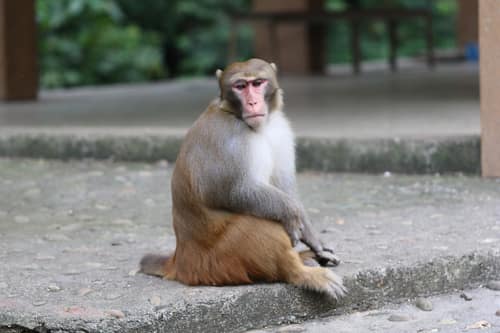
Competitor (c) Donald Hobern, some rights reserved (CC BY) · cc-by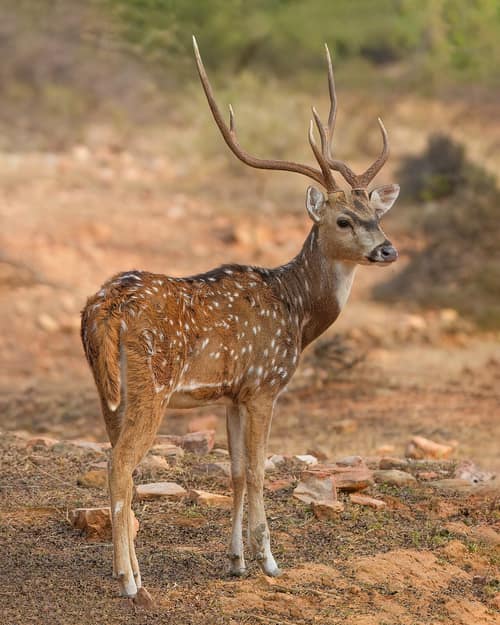
Symbiont Giles Laurent / CC BY-SA 4.0 · cc-by-sa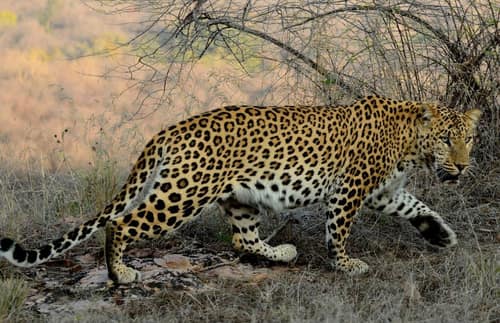
Predator (c) Raja bandi, some rights reserved (CC BY), uploaded by Raja bandi · cc-by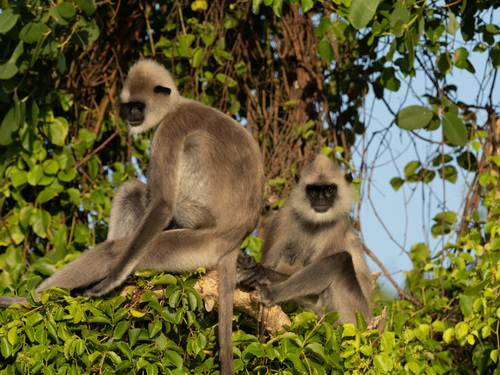
Close Relative (c) William Stephens, some rights reserved (CC BY), uploaded by William Stephens · cc-by
Help improve the field guideSomething wrong?
Checking your Fauna account…Report a name, category, or profile issue for review.