
Mammal · GBIF taxon 2436352
Pygmy Three-toed Sloth
Bradypus pygmaeusAlso known as Monk Sloth, Dwarf Sloth
Inhabiting the dense red mangrove canopy of a single island off the coast of Panama, pygmy three-toed sloths move with remarkable deliberation through the branches. Symbiotic green algae growing within specialized grooves on their fur provides built-in camouflage while nourishing a unique community of resident insects. Their extraordinarily slow metabolism relies on digesting tough foliage, keeping these quiet arboreal mammals tethered to their fragile island ecosystem.
EndemicArboreal
—observations
—countries
—peak records
Critically EndangeredConservation statusIUCN Red List categoriesLCNTVUENCREWEXCritically EndangeredRed List categories, explained →
Diet & prey
- Leaves, primarily from red mangroves
Predators
- Harpy Eagle
- Boa Constrictor
ThreatsHabitat degradation, illegal poaching, eco-tourism disturbance
HabitatsRed mangrove forests and tropical moist forests
Life span10–20 years
Size / weightNot available
Classification
- FamilyBradypodidae
- SpeciesBradypus pygmaeus
Native
Interaction riskLow
- Low
- Moderate
- High
- Very high
- Why interaction risk is low
- Safe to observe at a normal distance.
- What to notice
- Recognizable by its compact stature, dark facial mask framing black-ringed eyes, and shaggy coat.
- Support conservation
- Observe silently from a distance, never touch or handle individuals, and follow island protection protocols.
Responsible observation
- Observation Distance: Keep a respectful distance and avoid shaking branches or making sudden noises near sleeping sloths.
- Island Etiquette: Visit Isla Escudo de Veraguas only with licensed local guides to prevent damage to sensitive mangrove habitats.
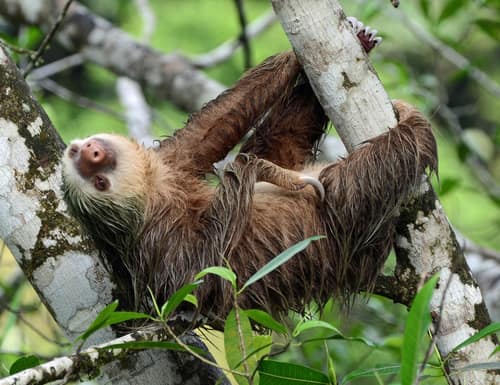
Co-Occurring Sloth (c) Geoff Gallice, some rights reserved (CC BY) · cc-by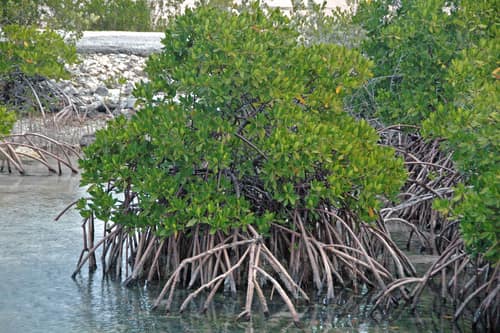
Host Plant (c) James St. John, some rights reserved (CC BY) · cc-by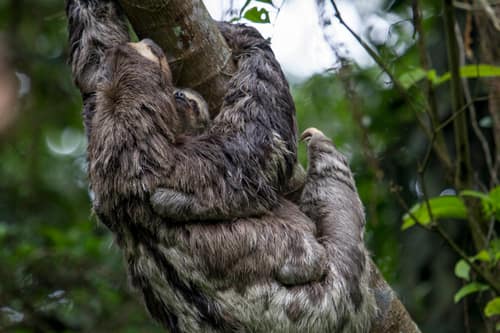
Close Relative (c) Bruno Henrique Aranda, some rights reserved (CC BY), uploaded by Bruno Henrique Aranda · cc-by
Help improve the field guideSomething wrong?
Checking your Fauna account…Report a name, category, or profile issue for review.