
Mammal · GBIF taxon 2436353
Brown-throated Sloth
Bradypus variegatusAlso known as Brown-throated Three-toed Sloth
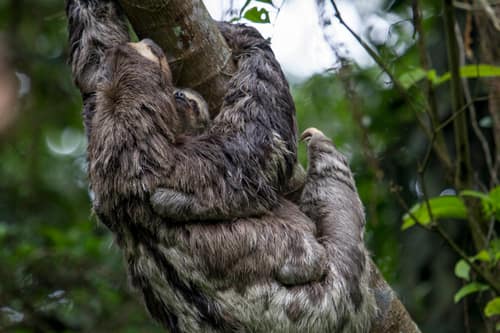
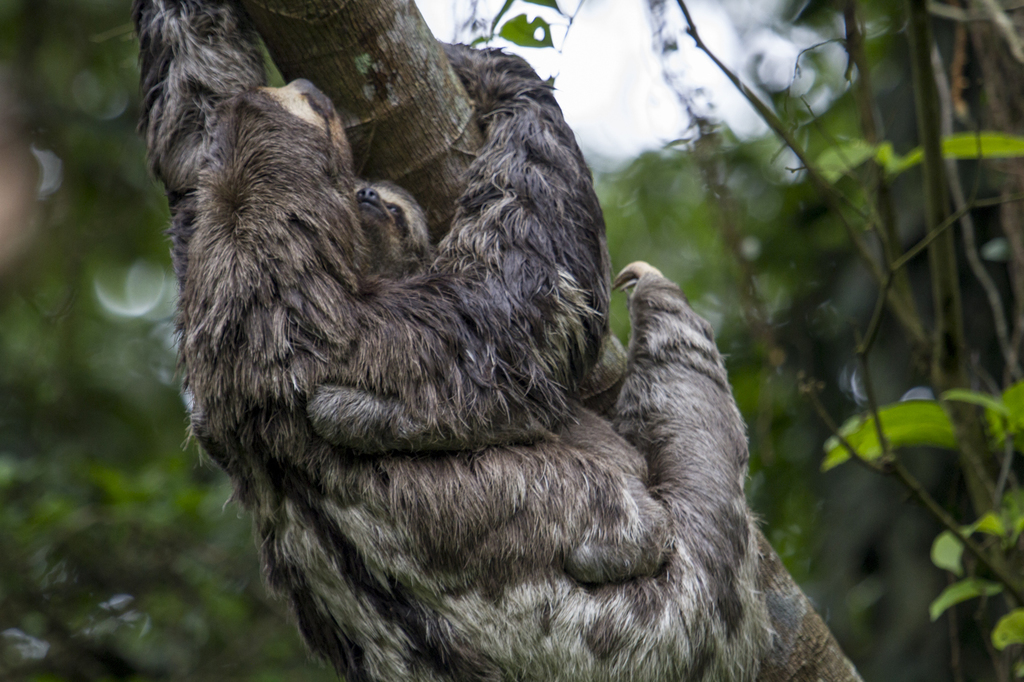
Brown-throated sloths move deliberately through canopy leaves, supporting symbiotic green algae within specialized grooves in their coarse fur. These solitary mammals descend to the forest floor only once a week to defecate, exposing themselves briefly to ground predators. Mothers carry a single infant clinging tightly to their chest for several months while teaching it which tree leaves to eat.
ArborealCanopy DwellerHerbivore
—observations
—countries
—peak records
Least ConcernConservation statusIUCN Red List categoriesLCNTVUENCREWEXLeast ConcernRed List categories, explained →
Diet & prey
- Cecropia leaves
- Ficus leaves
- Young tree shoots
Predators
- Harpy Eagle
- Jaguar
- Ocelot
ThreatsDeforestation, power line electrocution, and illegal wildlife trade
HabitatsTropical rainforests, cloud forests, and shade-grown cacao plantations
Life span20–30 years
Size / weightNot available
Classification
- OrderPilosa
- FamilyBradypodidae
- GenusBradypus
- SpeciesBradypus variegatus
Native
Interaction riskLow
- Low
- Moderate
- High
- Very high
- Why interaction risk is low
- Sharp claws and strong jaws can inflict wounds if cornered; observe safely from a distance.
Responsible observation
- Canopy Spotting: Look high in Cecropia tree crowns where their camouflaged fur blends with foliage.
- Road Crossings: Slow down on forest roads, as sloths move sluggishly when forced onto ground.
- Keep Distance: Never approach or touch wild sloths to avoid causing severe stress.
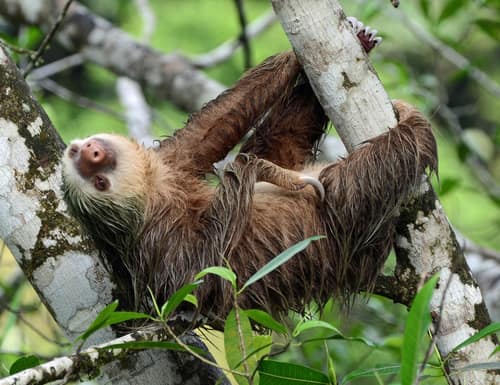
Co-occurring Species (c) Geoff Gallice, some rights reserved (CC BY) · cc-by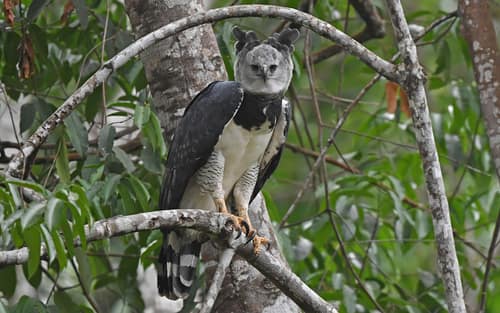
Predator (c) Christoph Moning, some rights reserved (CC BY), uploaded by Christoph Moning · cc-by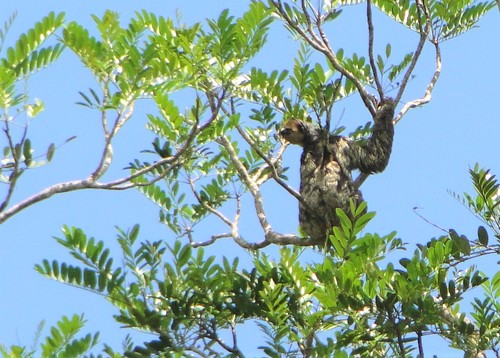
Close Relative (c) Carlos Otávio Gussoni, some rights reserved (CC BY) · cc-by Image unavailable
Close Relative
Keep collecting in Fauna
Found in Collections
Species set Pro
Emerald Kingdom
Brown-throated Sloth is found in this collection. Identify it in Fauna to fill this slot and continue your progress.
Unlock to track progress
Help improve the field guideSomething wrong?
Checking your Fauna account…Report a name, category, or profile issue for review.