
Mammal · GBIF taxon 5219520
Hoffmann's Two-toed Sloth
Choloepus hoffmanniAlso known as Northern Two-toed Sloth, Hoffmann's Sloth
Hoffmann's two-toed sloths spend nearly their entire lives suspended upside down in the forest canopy, using their long, curved claws to grip branches. These solitary mammals move with deliberate slowness to conserve energy on a low-calorie diet of leaves, fruits, and flowers. Their shaggy fur hosts a miniature ecosystem of specialized algae and moths, providing camouflage that blends seamlessly with the foliage.
NocturnalArborealMammal
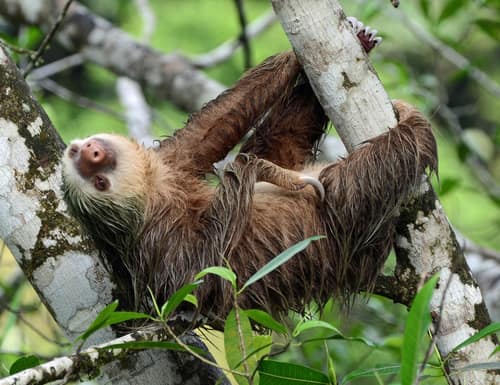
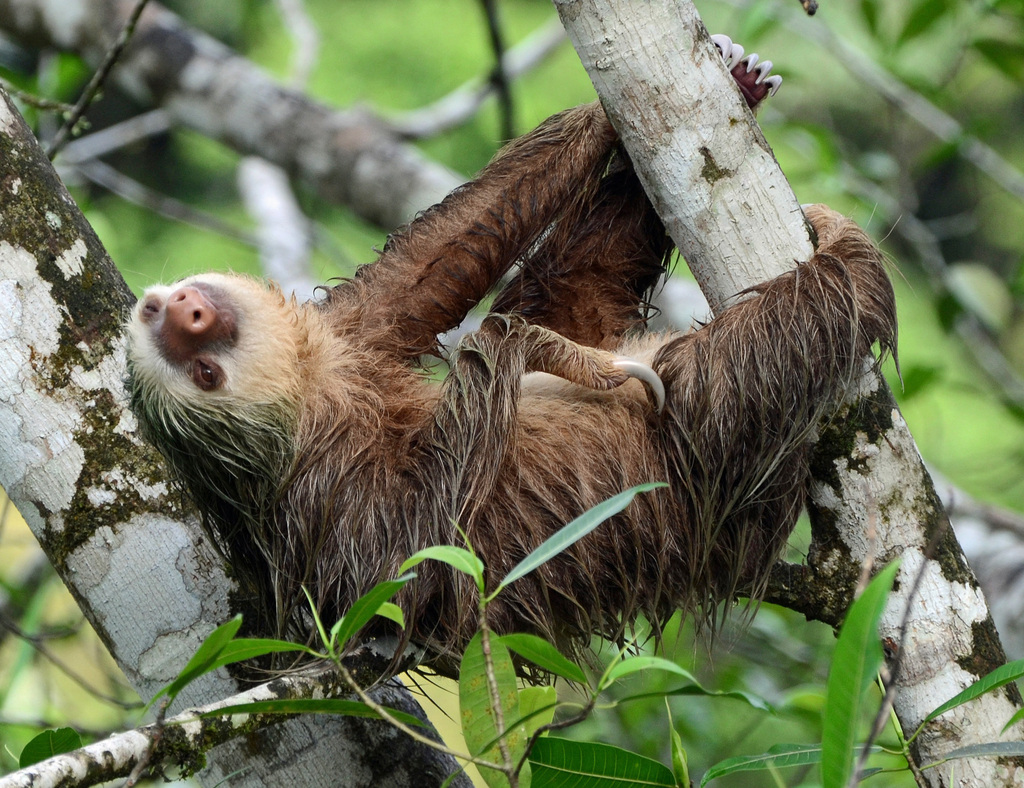
—observations
—countries
—peak records
Least ConcernConservation statusIUCN Red List categoriesLCNTVUENCREWEXLeast ConcernRed List categories, explained →
Diet & prey
- Folivorous, eating leaves, shoots, fruits, and flowers
Predators
- Harpy Eagle
- Jaguar
- Ocelot
ThreatsHabitat fragmentation, deforestation, power line electrocution, and the illegal pet trade
HabitatsMature and secondary tropical rainforests, deciduous forests, and montane forests
Life span15 to 20 years in the wild
Size / weightNot available
Classification
- FamilyMegalonychidae
- SpeciesCholoepus hoffmanni
Native
Interaction riskLow
- Low
- Moderate
- High
- Very high
- Why interaction risk is low
- Can deliver a severe bite or scratch if cornered; observe from a safe distance.
- Why it is dangerous
- Possesses powerful jaws with sharp, continuously growing teeth and strong claws that can inflict deep wounds.
- How to recognize a risky encounter
- Look for two prominent claws on the forelimbs and a light brown, shaggy coat.
- What to do
- Never attempt to touch or rescue a sloth yourself; contact local wildlife authorities if one is in danger.
Responsible observation
- Binoculars: Use binoculars to spot them high in the canopy, where they look like clumps of dead leaves.
- Ground Encounters: Give them wide berth if seen on the ground, as they are vulnerable and highly stressed.
- Flash Photography: Avoid using flash at night to prevent disorienting their sensitive nocturnal eyes.
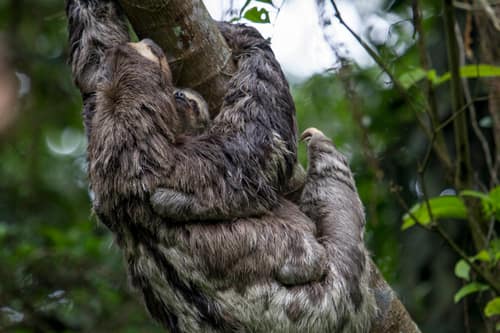
Frequent Companion (c) Bruno Henrique Aranda, some rights reserved (CC BY), uploaded by Bruno Henrique Aranda · cc-by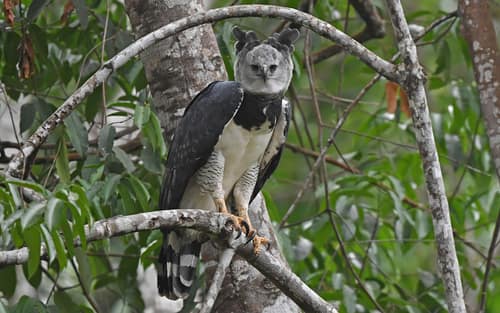
Predator (c) Christoph Moning, some rights reserved (CC BY), uploaded by Christoph Moning · cc-by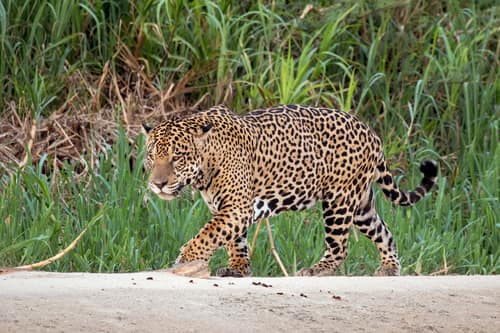
Predator (c) Charles J. Sharp , some rights reserved (CC BY-SA) · cc-by-sa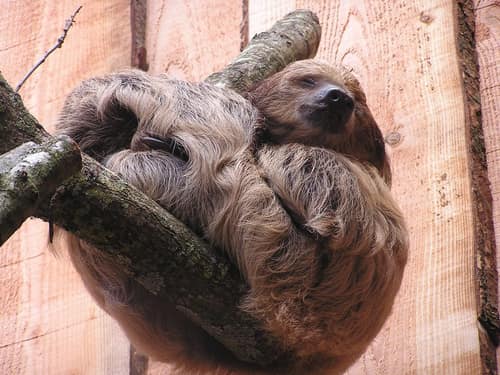
Close Relative Régis Leroy / CC BY 2.0 · CC BY 2.0
Help improve the field guideSomething wrong?
Checking your Fauna account…Report a name, category, or profile issue for review.