
Mammal · GBIF taxon 2434784
Weddell Seal
Leptonychotes weddelliiAlso known as Weddell's Seal
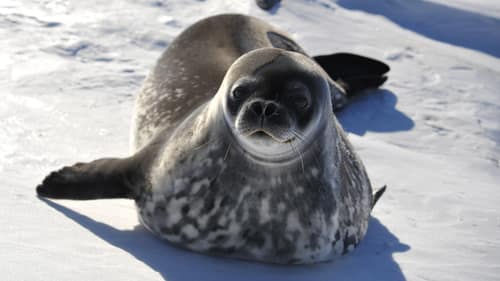
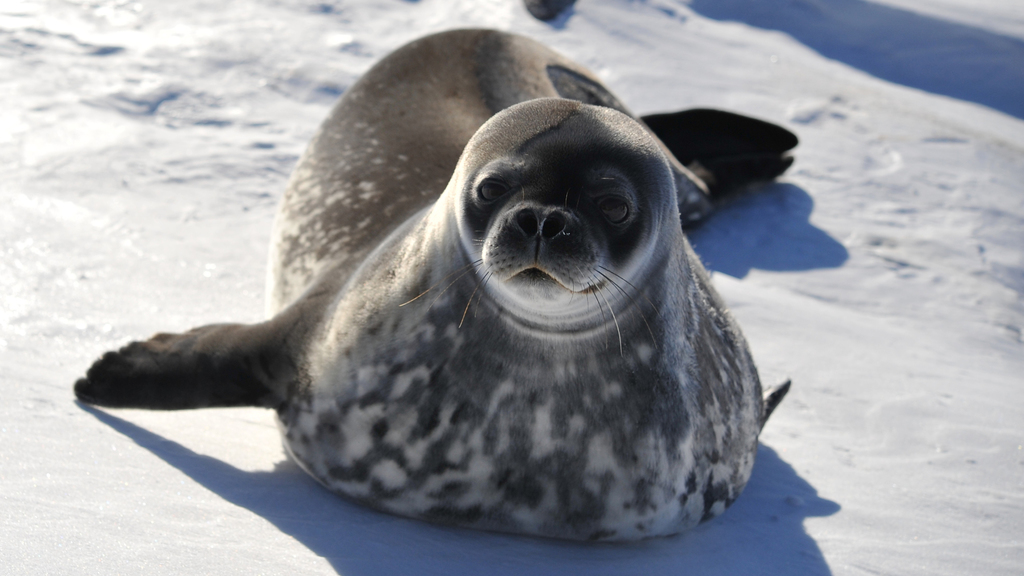
Weddell seals thrive farther south than any other mammal, residing permanently on Antarctic fast ice. They maintain breathing holes through ice meters thick by rasping with specialized teeth, producing loud underwater vocalizations that range from metallic chirps to deep trills. Mothers give birth on the ice surface during spring, nursing pups with rich milk that allows them to double their weight in just weeks.
AntarcticDeep DiverMarine Mammal
 1 / 7
1 / 7—observations
—countries
—peak records
Least ConcernConservation statusIUCN Red List categoriesLCNTVUENCREWEXLeast ConcernRed List categories, explained →
Diet & prey
- Antarctic Toothfish
- Antarctic Silverfish
- Squid
Predators
- Orca
- Leopard Seal
ThreatsClimate change, loss of sea ice, fishing gear entanglement
HabitatsAntarctic fast ice, coastal waters, pack ice
Life span20–25 years
Size / weightNot available
Classification
- FamilyPhocidae
- SpeciesLeptonychotes weddellii
Range data is not available yet.
Interaction riskHigh
- Low
- Moderate
- High
- Very high
- Why interaction risk is high
- Large ocean carnivore capable of severe bites; maintain a safe distance on Antarctic fast ice.
- Why it is dangerous
- Heavy body mass and powerful jaws with sharp teeth can inflict serious injuries if approached closely.
- How to recognize a risky encounter
- Look for a dark grey coat with silver blotches, small cat-like head, and quiet resting posture on fast ice.
- What to do
- Give resting seals wide berth and never block their pathway to a breathing hole.
- What to notice
- Recognized by spotted dark coats and presence near coastal fast ice or research stations.
- Support conservation
- Observe silently from required distance limits and follow all Antarctic visitor regulations.
Responsible observation
- Maintain Safe Distance: Stay at least 15 meters away to prevent stress or defensive reactions.
- Listen Underwater: Place a hydrophone near breathing holes to hear complex vocalizations.
- Respect Breeding Grounds: Avoid approaching mothers with newborn pups during spring.
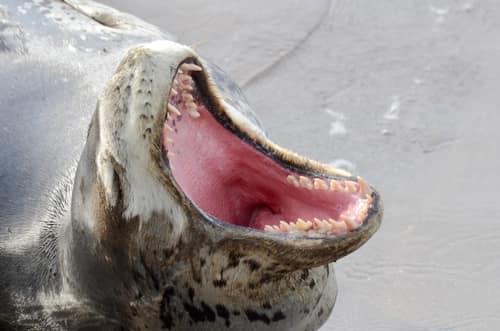
Predator (c) Mike Bowie, some rights reserved (CC BY), uploaded by Mike Bowie · cc-by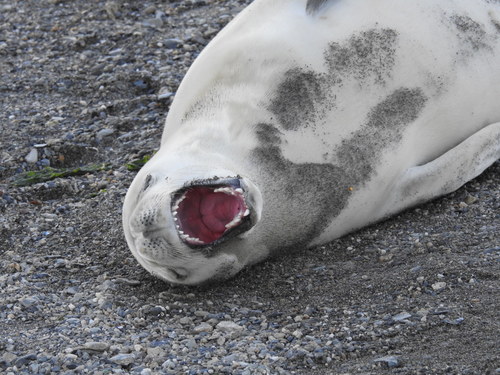
Close Relative (c) María Regina Silva, some rights reserved (CC BY) · cc-by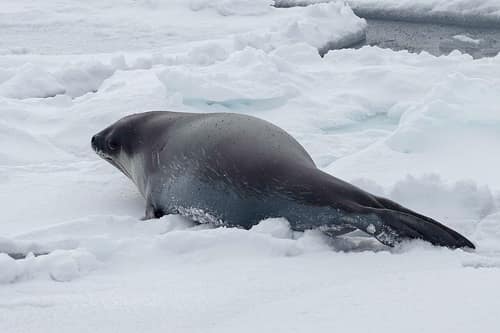
Close Relative botheredbybees / CC0 · cc0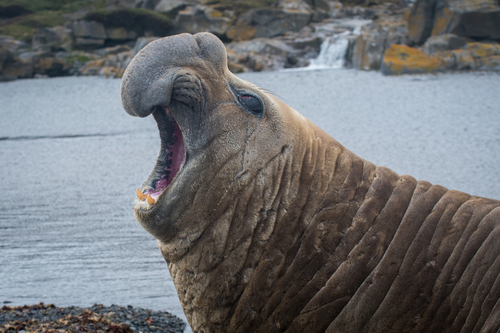
Close Relative (c) Antoine Lamielle, some rights reserved (CC BY-SA) · cc-by-sa
Help improve the field guideSomething wrong?
Checking your Fauna account…Report a name, category, or profile issue for review.