
Mammal · GBIF taxon 2434788
Ross Seal
Ommatophoca rossiiAlso known as Big-eyed Seal
Ross seals spend most of their lives amidst dense, consolidated Antarctic pack ice, using enormous eyes to hunt cephalopods in pitch-black depths. When hauled out on ice floes, they produce eerie, whistle-like chittering and siren sounds that resonate through their inflated vocal sacs. Their short, broad muzzles and dense, streamlined bodies enable rapid propulsion through icy waters.
AntarcticDeep DiverMarine Mammal
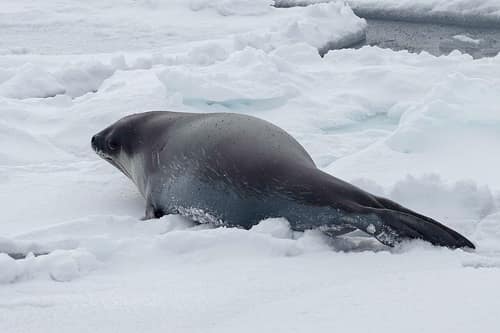
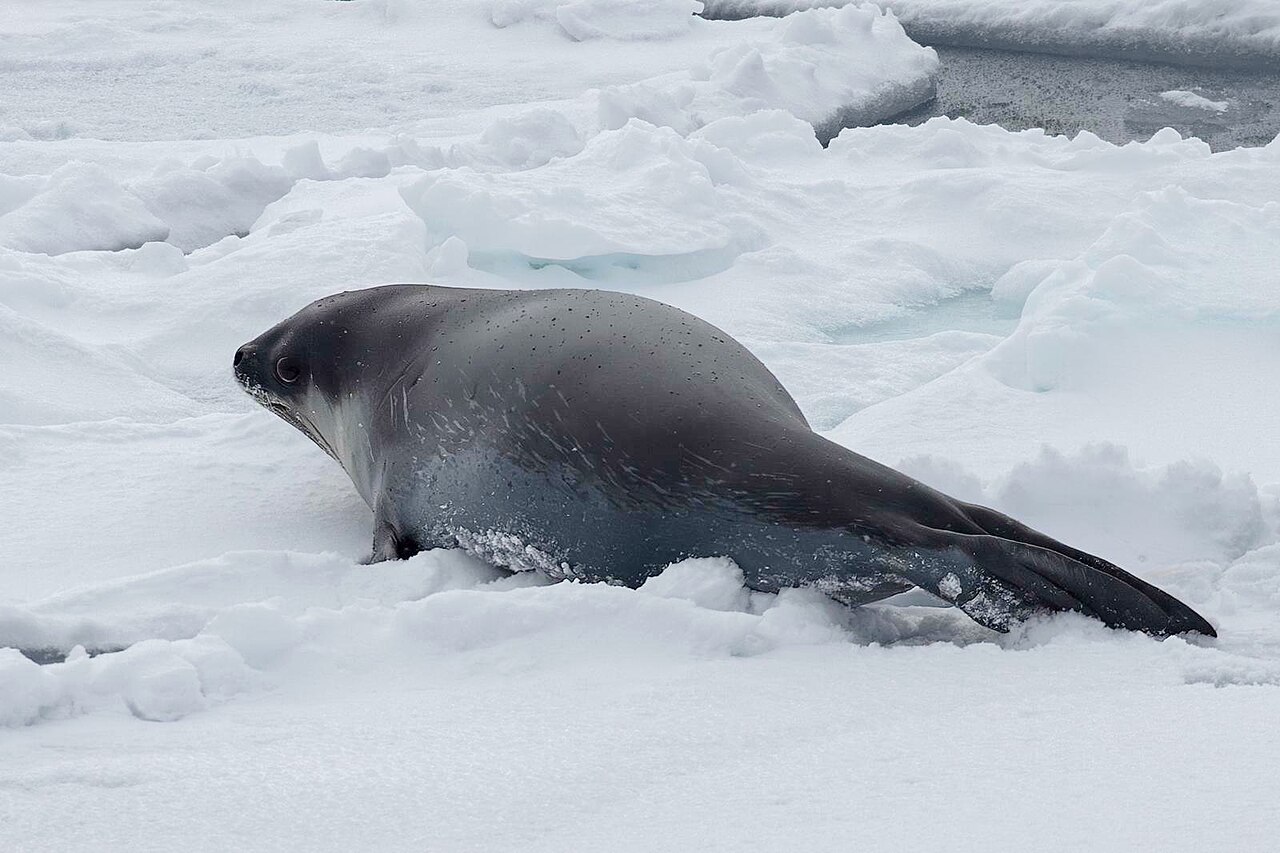
Licensed referencebotheredbybees / CC0 · cc0
—observations
—countries
—peak records
Least ConcernConservation statusIUCN Red List categoriesLCNTVUENCREWEXLeast ConcernRed List categories, explained →
Diet & prey
- Squid
- Fish
- Krill
Predators
- Killer Whale
- Leopard Seal
ThreatsClimate change, warming oceans, sea ice loss
HabitatsAntarctic pack ice and pelagic waters
Life span20–25 years
Size / weightNot available
Classification
- FamilyPhocidae
- SpeciesOmmatophoca rossii
Range data is not available yet.
Interaction riskLow
- Low
- Moderate
- High
- Very high
- Why interaction risk is low
- Capable of delivering a severe bite if cornered; keep a safe distance on ice floes.
- What to notice
- Recognized by large eyes, short snout, dark grey back, and light belly on dense pack ice.
- Support conservation
- Maintain distance during Zodiac approaches and avoid disturbing resting or vocalizing animals.
Responsible observation
- Acoustic Tracking: Listen for high-pitched, siren-like trills that carry across quiet ice fields.
- Ice Distance: Maintain at least 15 meters distance when encountering individuals hauled out on floes.
- Visual ID: Look for unusually large, dark eyes paired with a thick neck and short muzzle.
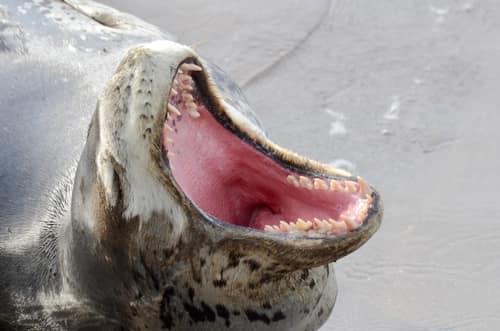
Predator (c) Mike Bowie, some rights reserved (CC BY), uploaded by Mike Bowie · cc-by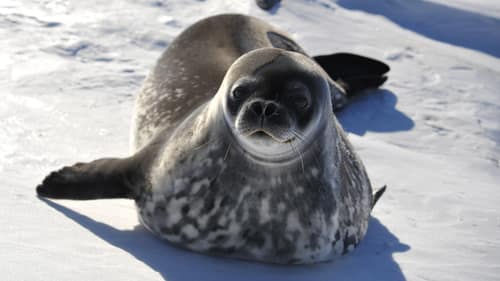
Close Relative (c) Kim, Hyun-tae, some rights reserved (CC BY), uploaded by Kim, Hyun-tae · cc-by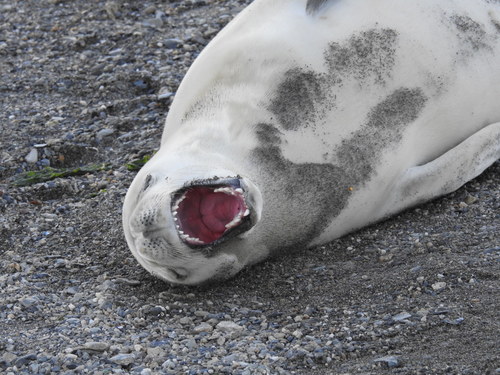
Close Relative (c) María Regina Silva, some rights reserved (CC BY) · cc-by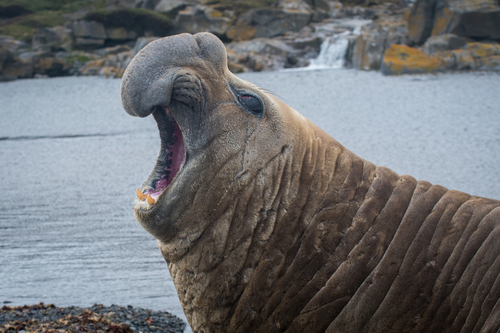
Close Relative (c) Antoine Lamielle, some rights reserved (CC BY-SA) · cc-by-sa
Help improve the field guideSomething wrong?
Checking your Fauna account…Report a name, category, or profile issue for review.