
Mammal · GBIF taxon 2434790
Leopard Seal
Hydrurga leptonyxAlso known as Sea Leopard
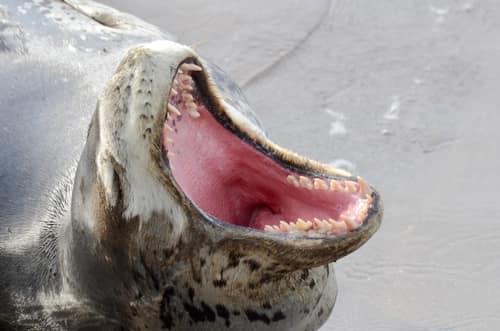
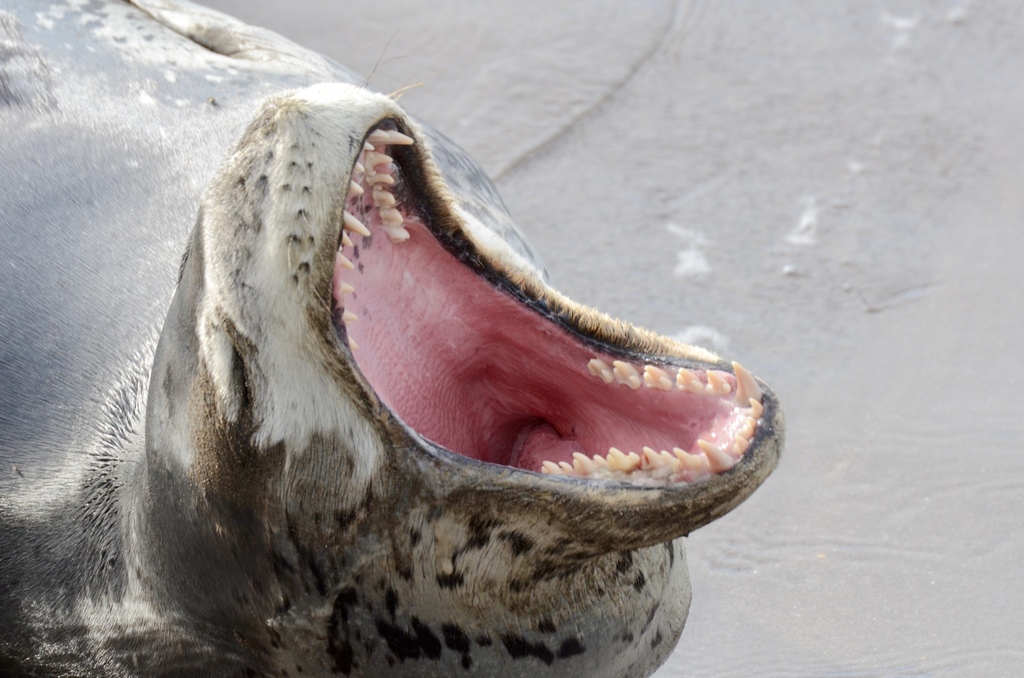
Leopard seals dominate Antarctic pack ice as solitary apex predators with unusually massive, snake-like heads and long foreflippers that grant exceptional agility in water. Unique tricuspid molars allow them to strain abundant krill directly from sea water, though they frequently ambush penguins along shoreline ice edges and hunt other seal species. Solitary during most of the year, adults vocalize underwater with deep, rhythmic calls that resonate for miles across frozen polar seas.
Apex PredatorMarine MammalAntarctic
 1 / 7
1 / 7—observations
—countries
—peak records
Least ConcernConservation statusIUCN Red List categoriesLCNTVUENCREWEXLeast ConcernRed List categories, explained →
Diet & prey
- Adélie Penguin
- Crabeater Seal
- Antarctic Krill
Predators
- Orca
ThreatsClimate change, loss of sea ice, marine pollution
HabitatsPack ice, polar coasts, sub-Antarctic islands
Life span20–26 years
Size / weightNot available
Classification
- FamilyPhocidae
- SpeciesHydrurga leptonyx
Range data is not available yet.
Interaction riskHigh
- Low
- Moderate
- High
- Very high
- Why interaction risk is high
- Large apex predator capable of severe bites; maintain a safe distance on land or in boats.
- Why it is dangerous
- Powerful jaws and long canines can inflict severe, potentially fatal trauma to humans in water or on ice.
- How to recognize a risky encounter
- Look for a massive, reptilian-shaped head, dark spotted silver-grey coat, and immense foreflippers.
- What to do
- Keep a distance of at least 15 meters on land or ice and never enter the water near individuals.
Responsible observation
- Safe Distance: Maintain at least 15 meters on ice or land, as they move surprisingly fast.
- Water Caution: Never dive or swim near active hunting zones around penguin colonies.
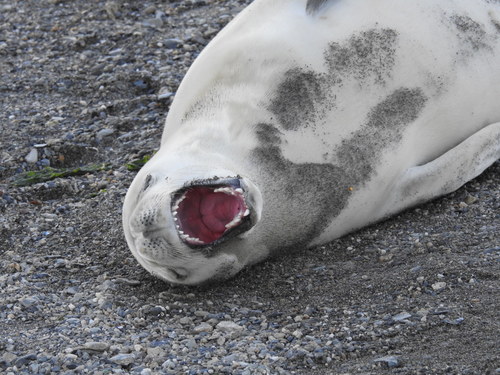
Prey (c) María Regina Silva, some rights reserved (CC BY) · cc-by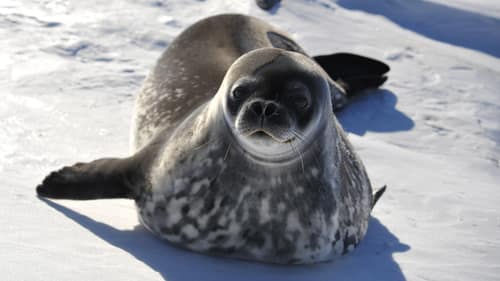
Competitor (c) Kim, Hyun-tae, some rights reserved (CC BY), uploaded by Kim, Hyun-tae · cc-by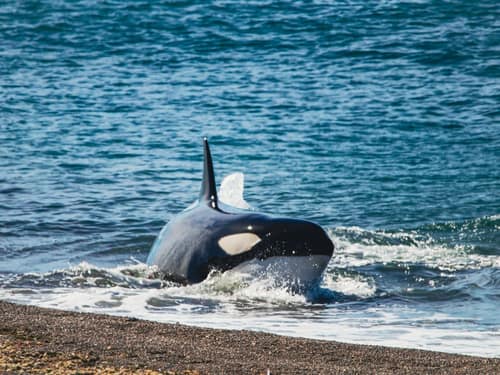
Predator (c) Martín Acosta Albarracín, some rights reserved (CC BY), uploaded by Martín Acosta Albarracín · cc-by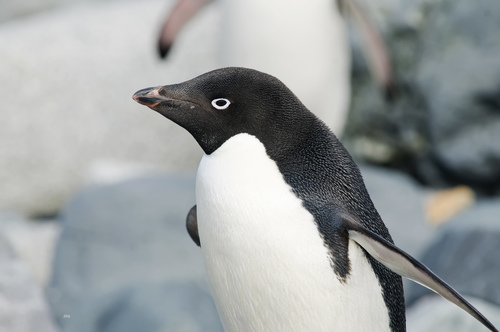
Prey (c) Seig, some rights reserved (CC BY), uploaded by Seig · cc-by
Help improve the field guideSomething wrong?
Checking your Fauna account…Report a name, category, or profile issue for review.