
Mammal
South American Fur Seal
Arctocephalus australisAlso known as Southern Fur Seal, Austral Fur Seal
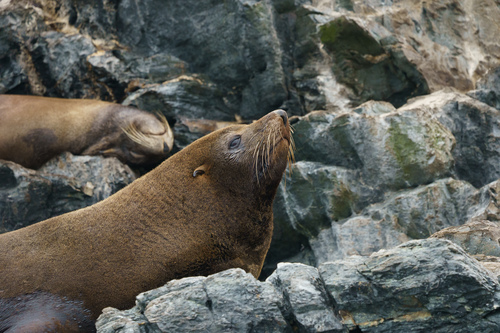
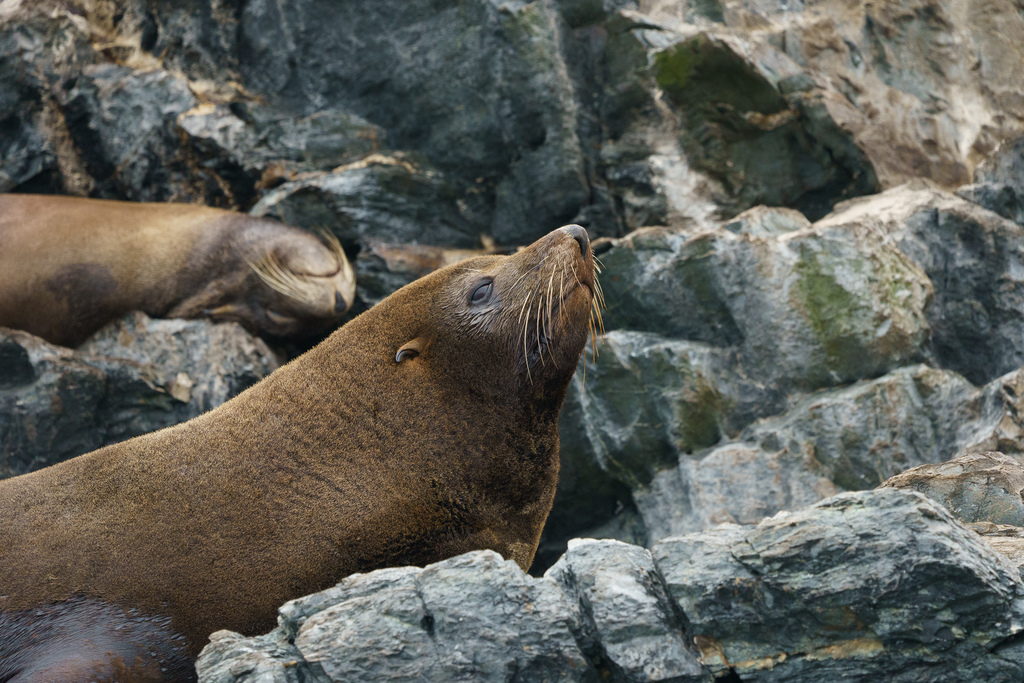
South American fur seals spend long periods offshore feeding under cover of darkness on anchovies, squid, and crustaceans. During the breeding season from October to December, vocal bulls fiercely defend crowded rocky ledges using guttural roars and posture displays to establish harems. Females recognize their pups among thousands through distinctive vocal calls and scent checks upon returning from multi-day foraging trips.
Marine MammalNocturnal HunterColonial Breeder
—observations
—countries
—peak records
Least ConcernConservation statusIUCN Red List categoriesLCNTVUENCREWEXLeast ConcernRed List categories, explained →
Diet & preyPeruvian Anchoveta, Patagonian Squid, Hake
Predators
- Killer Whale
- South American Sea Lion
- Great White Shark
ThreatsFisheries bycatch, entanglement in marine debris, climate fluctuations like El Niño, and historic overharvesting
HabitatsRocky coasts, offshore islands, and temperate marine shelf waters
Life span15–20 years in the wild
Classification
- FamilyOtariidae
- SpeciesArctocephalus australis
Range data is not available yet.
Interaction riskHigh
- Low
- Moderate
- High
- Very high
- Why interaction risk is high
- Territorial bulls and nursing mothers deliver severe defensive bites; maintain at least 50 meters distance.
- Why it is dangerous
- Territorial males and protective mothers lunge aggressively, inflicting deep lacerations prone to marine bacterial infections.
- How to recognize a risky encounter
- Look for pointed snouts, prominent external ear flaps, dense double-layered fur, and agile movement on all four flippers.
- What to do
- Back away slowly if a seal vocalizes or raises its chest, and never block access to the water.
Responsible observation
- Colony Distance: Keep at least 50 meters back to prevent stampedes and avoid territorial charges.
- Binocular Viewing: Use telephoto lenses or binoculars to watch social interactions without causing distress.
- Avoid Trapping: Never stand between a seal and the ocean, as cutting off escape routes prompts defensive attacks.
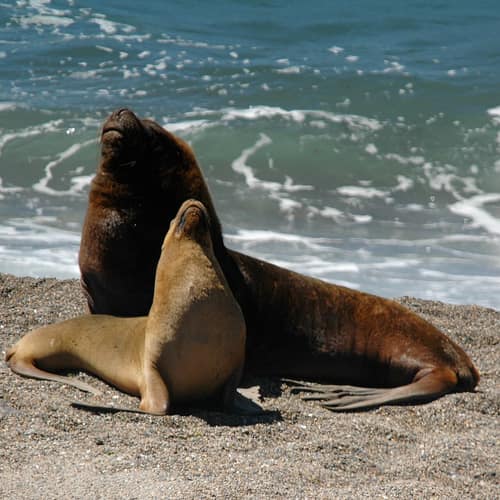
Competitor Vince Smith / CC BY-SA 2.0 · cc-by-sa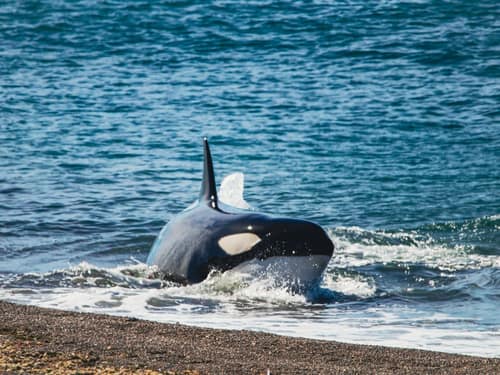
Predator (c) Martín Acosta Albarracín, some rights reserved (CC BY), uploaded by Martín Acosta Albarracín · cc-by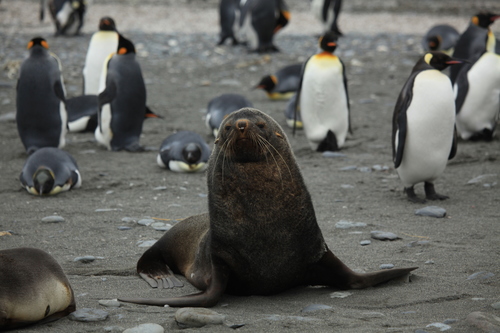
Close Relative (c) Liam Quinn, some rights reserved (CC BY-SA) · cc-by-sa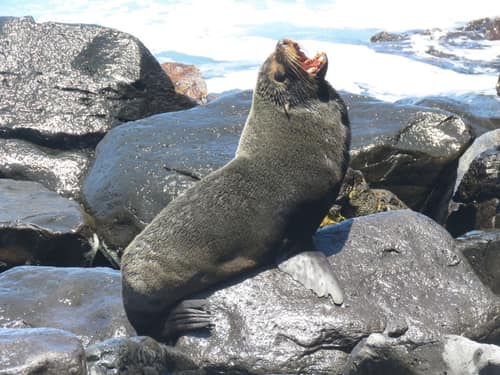
Close Relative (c) Juan Carlos Caicedo Hernández, some rights reserved (CC BY), uploaded by Juan Carlos Caicedo Hernández · cc-by
Help improve the field guideSomething wrong?
Checking your Fauna account…Report a name, category, or profile issue for review.