
Mammal
Antarctic Fur Seal
Arctocephalus gazellaAlso known as Kerguelen Fur Seal
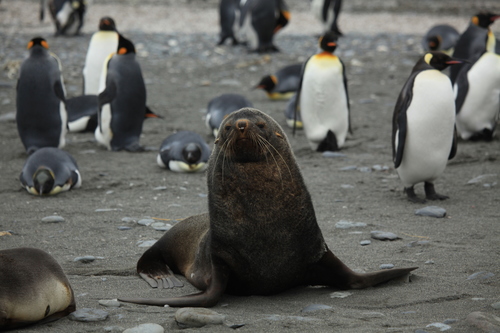
Antarctic fur seals gather in massive, noisy breeding colonies on subantarctic islands each austral summer, where territorial bulls defend beach harems with loud vocalizations and aggressive displays. Mothers dive deep into icy waters to forage for marine prey, returning every few days to nurse their dark-furred pups among thousands of screaming neighbors. Once driven near extinction by 19th-century sealers, populations staged a remarkable recovery, though changing sea ice patterns now threaten their food supply.
Marine MammalColonialSubantarctic
—observations
—countries
—peak records
EndangeredConservation statusIUCN Red List categoriesLCNTVUENCREWEXEndangeredRed List categories, explained →
Diet & preyAntarctic Krill, Lanternfish, Squid
Predators
- Leopard Seal
- Orca
- Subantarctic Skua
ThreatsClimate change affecting krill abundance, entanglement in marine debris, oceanic warming
HabitatsSubantarctic islands, rocky beaches, open ocean, sea ice edges
Life span15–20 years
Classification
- FamilyOtariidae
- SpeciesArctocephalus gazella
Range data is not available yet.
Interaction riskHigh
- Low
- Moderate
- High
- Very high
- Why interaction risk is high
- Breeding bulls and protective mothers are highly aggressive; keep a distance of at least 15 meters.
- Why it is dangerous
- Bulls are territorial, fast on land, and possess strong jaws capable of inflicting deep, easily infected bites.
- How to recognize a risky encounter
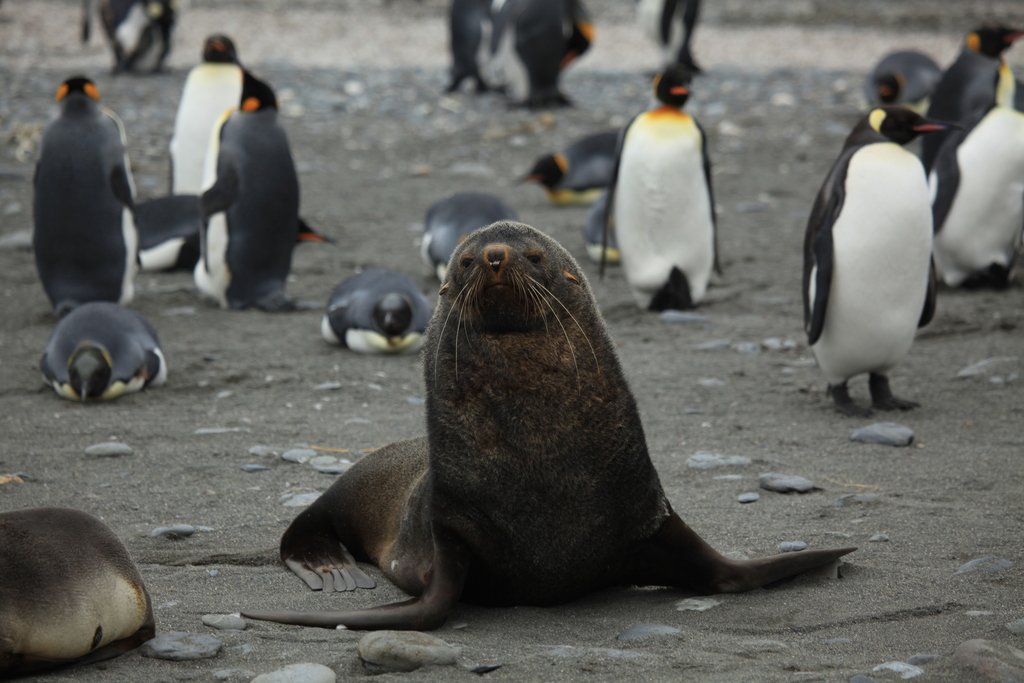
- Look for dense brown fur, visible ear flaps, and large adult males with thick necks and mane-like hair.
- What to do
- Give all individuals wide berth on land, back away slowly if challenged, and never step between seals.
- What to notice
- Recognizable by pointed snouts, long hind flippers, dark coat in pups, and greyish-brown adult fur.
- Support conservation
- Observe quietly from established paths or boats without making sudden movements or loud noises.
Responsible observation
- Maintain Distance: Keep at least 15 to 30 meters away from breeding colonies to avoid provoking aggressive bulls.
- Watch Beach Paths: Never block a seal's escape path to the ocean or position yourself between a female and her pup.
- Listen for Vocalizations: Back away immediately if a seal growls, huffs, or raises its neck in a threat display.
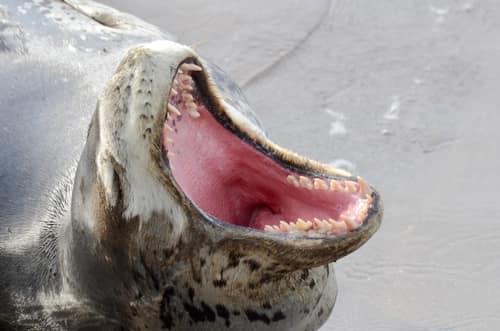
Predator (c) Mike Bowie, some rights reserved (CC BY), uploaded by Mike Bowie · cc-by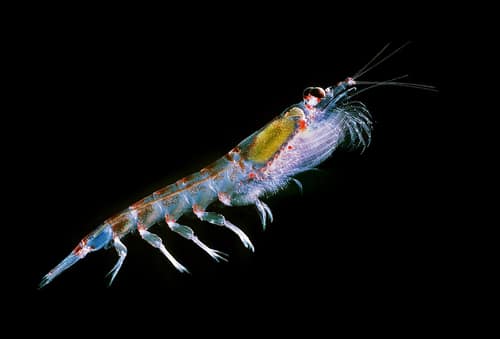
Primary Prey (c) Krill666.jpg, some rights reserved (CC BY-SA) · cc-by-sa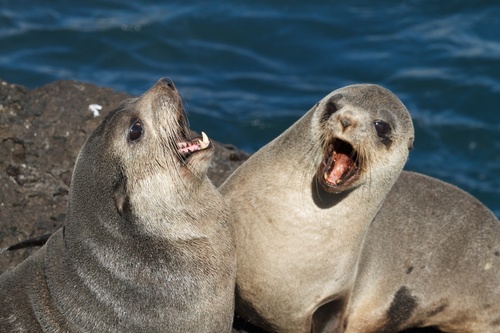
Close Relative (c) Brian Gratwicke, some rights reserved (CC BY) · cc-by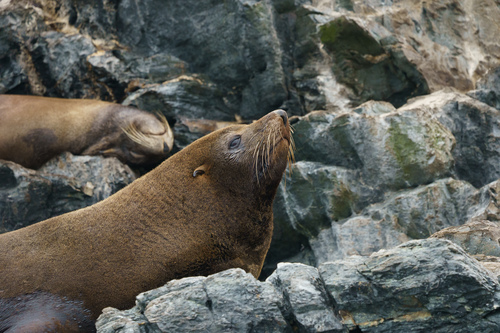
Close Relative (c) Jorge Herreros de Lartundo, some rights reserved (CC BY), uploaded by Jorge Herreros de Lartundo · cc-by
Help improve the field guideSomething wrong?
Checking your Fauna account…Report a name, category, or profile issue for review.