
Amphibian · GBIF taxon 2432039
Japanese Giant Salamander
Andrias japonicusAlso known as Osancho, Hanzaki
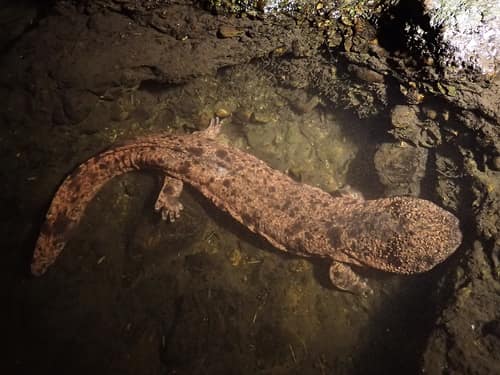
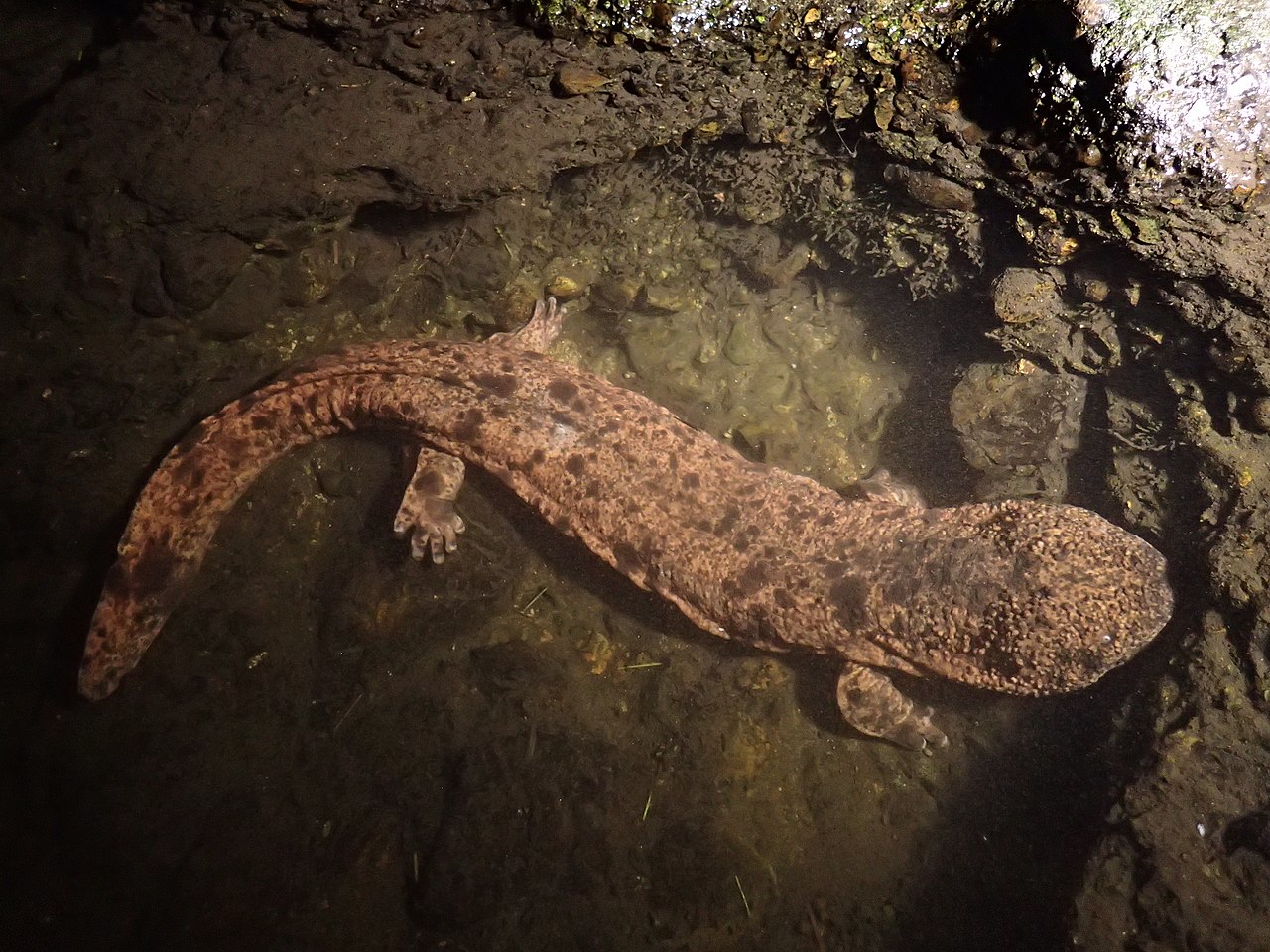
Japanese giant salamanders navigate cold mountain riverbeds using chemical sensors and lateral line systems to pinpoint prey in dark waters. Adult males aggressively defend underwater burrows, known as den sites, where females lay long strings of eggs that the male fertilizes and guards for months. With skin so wrinkled it maximizes surface area for underwater cutaneous respiration, these ancient amphibians can remain submerged indefinitely without surfacing for air.
AquaticNocturnalAmphibian
—observations
—countries
—peak records
VulnerableConservation statusIUCN Red List categoriesLCNTVUENCREWEXVulnerableRed List categories, explained →
Diet & prey
- Freshwater Crabs
- Stream Fish
- Frogs
Predators
- Herons (juveniles)
- Larger Conspecifics
ThreatsDam construction, concrete riverbanks, pollution, and hybridization
HabitatsCold, fast-flowing mountain streams and clear rivers
Life span50–80 years
Size / weightNot available
Classification
- OrderCaudata
- FamilyCryptobranchidae
- GenusAndrias
- SpeciesAndrias japonicus
Range data is not available yet.
Interaction riskLow
- Low
- Moderate
- High
- Very high
- Why interaction risk is low
- Delivers a painful bite with powerful jaws if handled or cornered; observe safely from riverbanks.
- Why it is dangerous
- Possesses exceptionally strong muscular jaws and small sharp teeth that can inflict deep lacerations if grabbed.
- How to recognize a risky encounter
- Identified by a broad flattened head, wrinkled mottled grey skin, tiny lidless eyes, and a thick paddle-like tail.
- What to do
- Never reach under submerged rocks or touch salamanders in the wild; observe quietly from dry bank edges.
- What to notice
- Look for a massive dark brown amphibian resting motionlessly along clean pebble-bottom river stretches.
- Support conservation
- Avoid revealing precise location coordinates for nesting burrows and stay out of protected spawning waters.
Responsible observation
- Night Spotting: Look into clear, fast-flowing streams after dusk using a red flashlight to spot active adults.
- Stream Etiquette: Refrain from disturbing riverbed stones or wading near undercut banks where nesting burrows lie.
- Keep Distance: Maintain a respectful distance on the shoreline and never attempt to handle wild individuals.
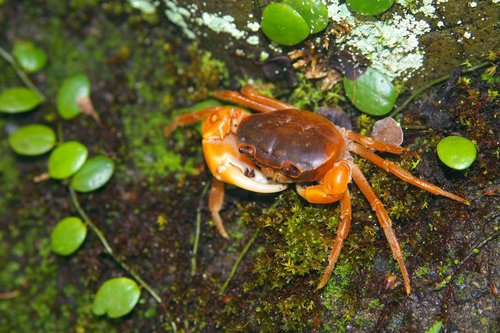
Prey (c) fumiyas707, some rights reserved (CC BY-SA) · cc-by-sa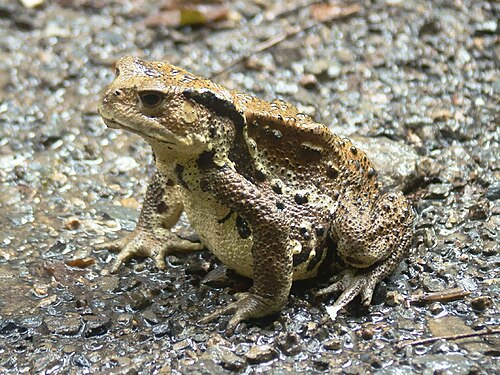
Co-inhabitant M.Nishimura / CC BY-SA 3.0 · cc-by-sa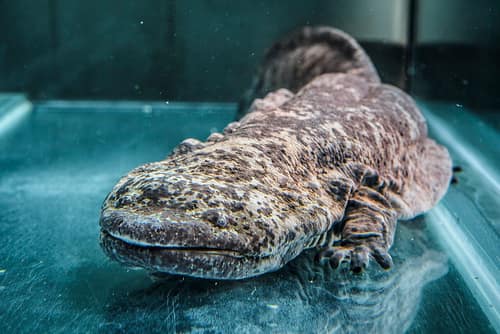
Close Relative Petr Hamerník / CC BY-SA 4.0 · cc-by-sa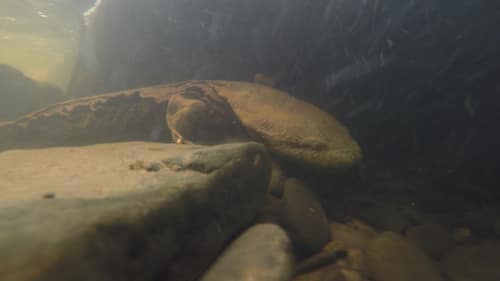
Family Relative (c) Brian Muckin, some rights reserved (CC BY) · cc-by
Help improve the field guideSomething wrong?
Checking your Fauna account…Report a name, category, or profile issue for review.