
Amphibian · GBIF taxon 2432031
Hellbender
Cryptobranchus alleganiensisAlso known as Snot Otter, Devil Dog, Allegheny Alligator, Grampus
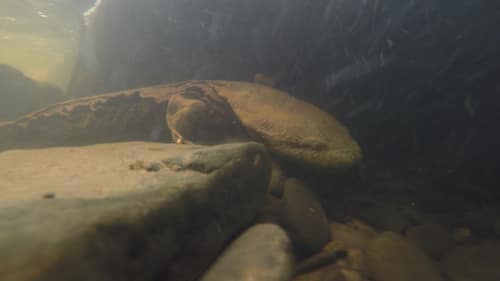
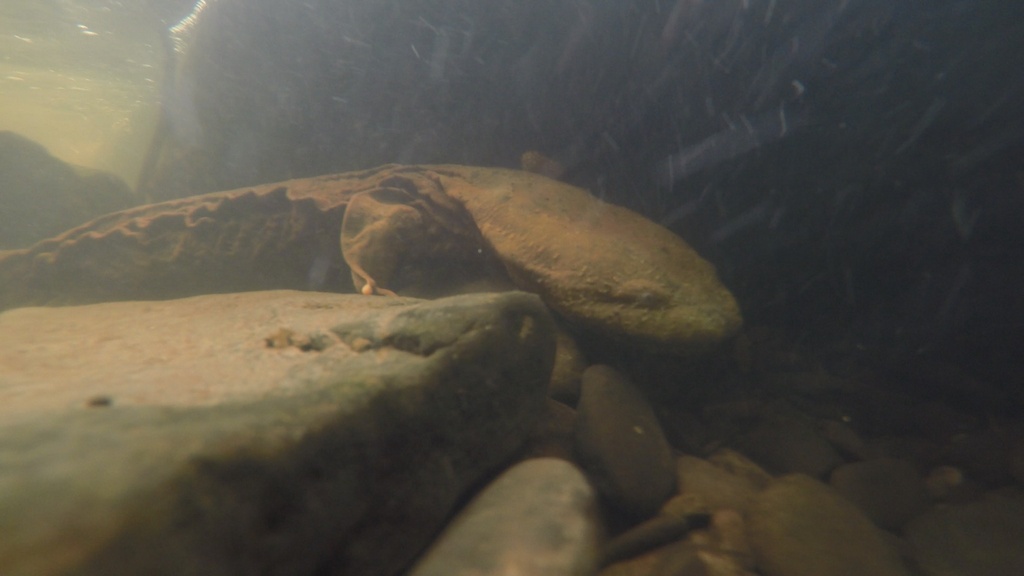
Hellbenders spend their entire lives underwater, relying on expansive, wrinkly skin folds along their flattened bodies to absorb oxygen directly from cold, fast-flowing streams. As secretive, nocturnal predators, adults spend daylight hours concealed beneath broad, flat river rocks where males construct nest cavities to guard eggs. Widespread sedimentation and river degradation now threaten these ancient amphibians, leaving older generations with few young to replace them.
AquaticNocturnalAmphibian
—observations
—countries
—peak records
VulnerableConservation statusIUCN Red List categoriesLCNTVUENCREWEXVulnerableRed List categories, explained →
Diet & prey
- Crayfish
- Small fish
- Aquatic insect larvae
Predators
- Northern watersnakes
- Large predatory fish
- Great blue herons
ThreatsSiltation, damming, water pollution, Chytrid fungus, stream degradation
HabitatsCold, clean, fast-flowing streams and rivers with large flat rocks
Life span25–30 years
Size / weightNot available
Classification
- FamilyCryptobranchidae
- SpeciesCryptobranchus alleganiensis
Range data is not available yet.
Interaction riskLow
- Low
- Moderate
- High
- Very high
- Why interaction risk is low
- Non-venomous but capable of a painful bite if handled; observe safely from above without disturbing river rocks.
- What to notice
- Look for a large, flat-headed, wrinkly brownish amphibian submerged beneath flat river rocks in clean mountain streams.
- Support conservation
- Observe strictly from above without moving river rocks, wading heavily in nest pools, or broadcasting exact stream locations.
Responsible observation
- Rock Flipping: Never flip large submerged boulders, as this crushes nest cavities and destroys vital habitat.
- Angling Safety: If accidentally hooked while fishing, cut the line close to the hook rather than pulling forcefully.
- Clean Gear: Disinfect waders and footwear before moving between streams to prevent spreading lethal fungal pathogens.
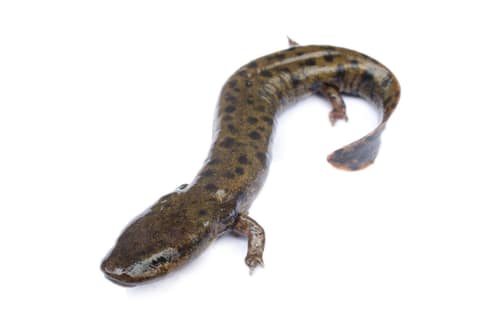
Look-Alike (c) Brian Gratwicke, some rights reserved (CC BY) · cc-by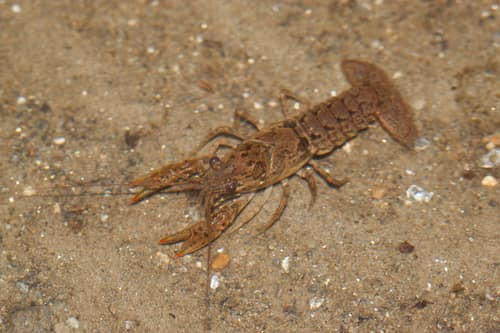
Prey no rights reserved, uploaded by Kent P. McFarland · cc0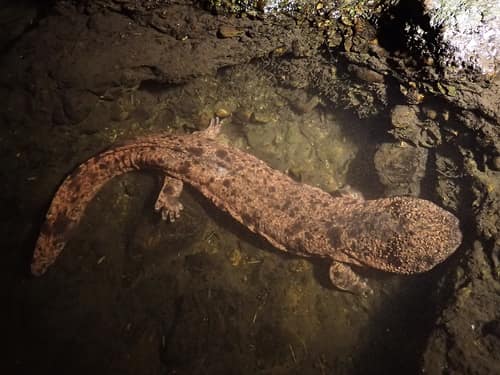
Close Relative Salamandra2021 / CC BY-SA 4.0 · cc-by-sa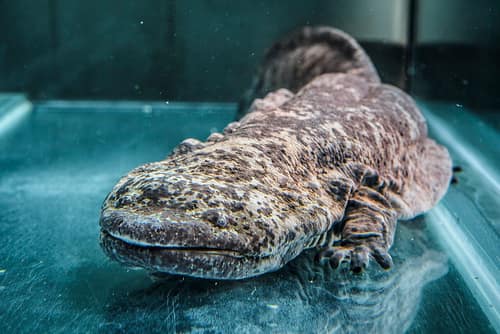
Close Relative Petr Hamerník / CC BY-SA 4.0 · cc-by-sa
Help improve the field guideSomething wrong?
Checking your Fauna account…Report a name, category, or profile issue for review.