
Amphibian · GBIF taxon 2431529
Red-cheeked Salamander
Plethodon jordaniAlso known as Jordan's Salamander, Redcheek Salamander, Great Smoky Mountains Salamander
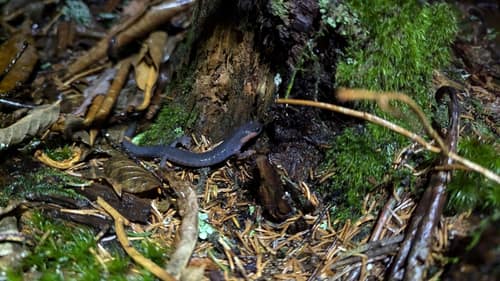
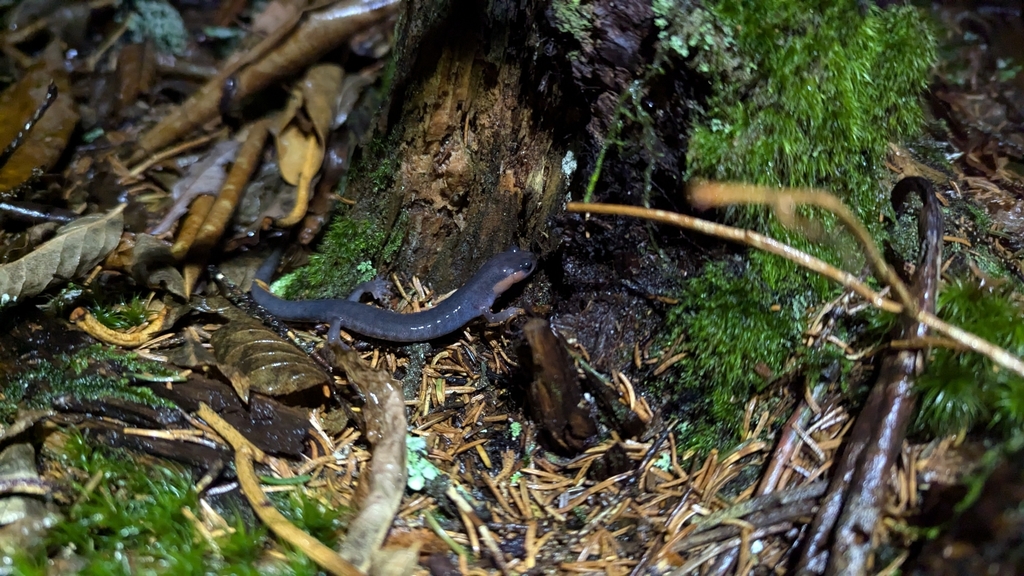
Red-cheeked salamanders inhabit cool, moist forest floors across the high peaks of the Great Smoky Mountains. Lacking lungs entirely, these amphibians absorb oxygen directly through their damp skin and spend dry days hidden beneath decaying logs or deep leaf litter. On rainy nights, they emerge to hunt small forest invertebrates, relying on bright reddish-orange cheek patches to warn predators of noxious skin secretions.
NocturnalWoodlandAmphibian
—observations
—countries
—peak records
Near ThreatenedConservation statusIUCN Red List categoriesLCNTVUENCREWEXNear ThreatenedRed List categories, explained →
Diet & prey
- Ants
- Beetles
- Spiders
Predators
- Garter Snakes
- Birds
- Shrews
ThreatsClimate change, acid deposition, and habitat loss
HabitatsHigh-elevation hardwood and spruce-fir forests
Life span10–15 years
Size / weightNot available
Classification
- FamilyPlethodontidae
- SpeciesPlethodon jordani
Range data is not available yet.
Interaction riskLow
- Low
- Moderate
- High
- Very high
- Why interaction risk is low
- Safe to observe at a normal distance.
- What to notice
- Look for a dark grey to black body featuring vivid red-orange patches on both cheeks behind the eyes.
- Support conservation
- Observe without touching, use low-intensity red flashlights at night, and leave forest cover objects undisturbed.
Responsible observation
- Best Viewing Time: Search nocturnal mountain forest trails on rainy or humid spring and summer evenings.
- Habitat Care: Avoid flipping logs or rocks, as disturbing cover objects dries out critical moist microhabitats.
- Gently Observe: Keep hands off to protect delicate, breathable skin from harmful oils and lotions.
 Image unavailable
Competitor 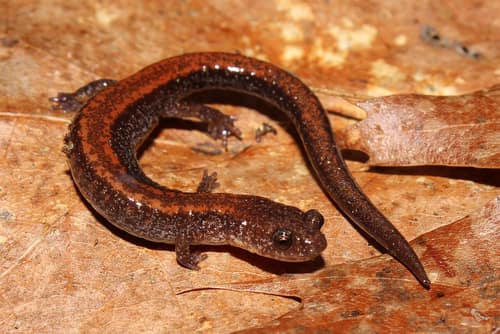
Close Relative Alex Karasoulos / CC BY-SA 4.0 · cc-by-sa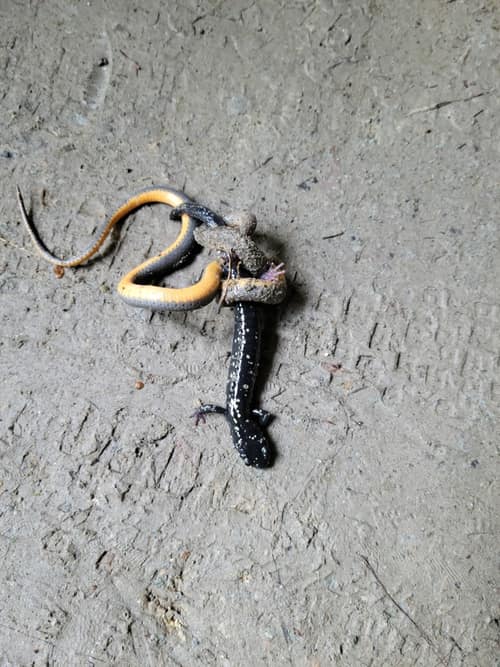
Close Relative (c) James Weaver, some rights reserved (CC BY) · cc-byClose Relative
Help improve the field guideSomething wrong?
Checking your Fauna account…Report a name, category, or profile issue for review.