
Amphibian · GBIF taxon 2431539
Northern Slimy Salamander
Plethodon glutinosusAlso known as Slimy Salamander, Gray-spotted Salamander
Northern slimy salamanders spend daylight hours concealed under rotting logs, moist rocks, and rich leaf litter across eastern deciduous forests. When threatened, glands along the tail and back secrete a remarkably sticky fluid that deters predators like snakes and shrews. Lacking lungs completely, these nocturnal amphibians absorb all their oxygen directly through their damp skin.
NocturnalTerrestrialAmphibian
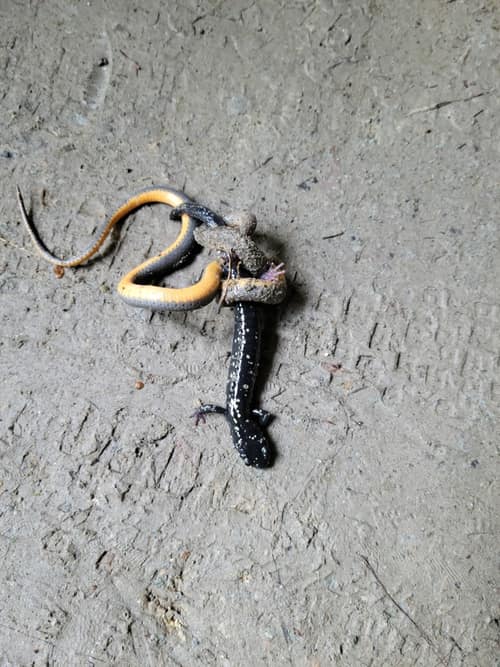
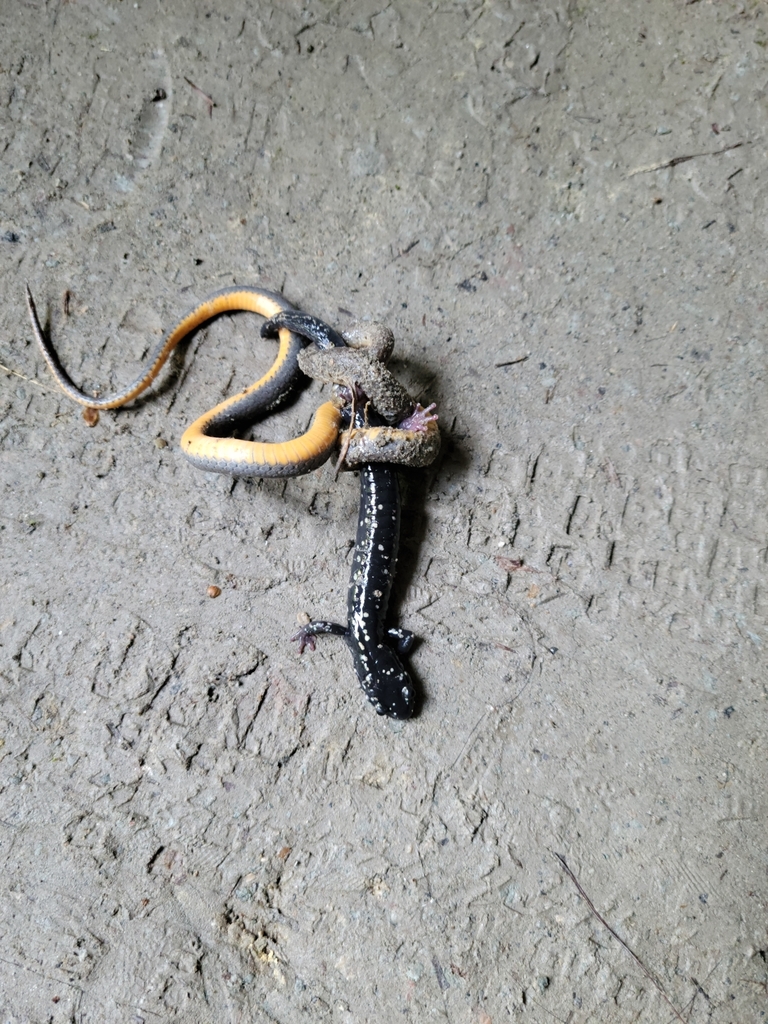
—observations
—countries
—peak records
Least ConcernConservation statusIUCN Red List categoriesLCNTVUENCREWEXLeast ConcernRed List categories, explained →
Diet & prey
- Ants
- Beetles
- Earthworms
Predators
- Garter Snakes
- Shrews
- Ground Beetles
ThreatsDeforestation, habitat fragmentation, microclimate warming
HabitatsMoist deciduous forests, rocky slopes, decaying logs
Life span15–20 years
Size / weightNot available
Classification
- FamilyPlethodontidae
- SpeciesPlethodon glutinosus
Range data is not available yet.
Interaction riskLow
- Low
- Moderate
- High
- Very high
- Why interaction risk is low
- Safe to observe at a normal distance.
Responsible observation
- Observation: Look under damp logs and flat rocks on humid nights, replacing cover gently afterward.
- Handling Avoidance: Avoid picking them up directly, as defensive tail secretions stick tightly to human skin.
- Skin Moisture: Ensure hands are wet and completely free of chemicals if brief handling occurs.
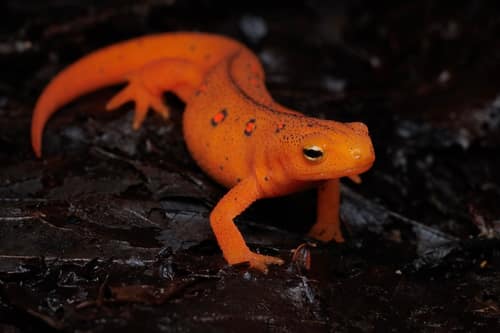
Frequent Companion (c) Matt Felperin, some rights reserved (CC BY), uploaded by Matt Felperin · cc-by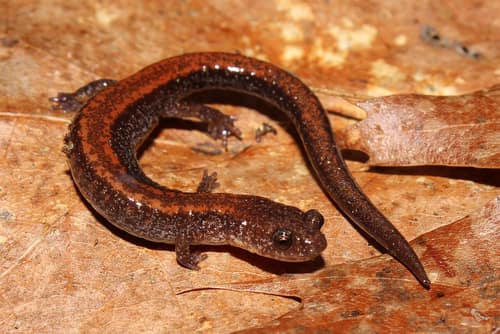
Close Relative Alex Karasoulos / CC BY-SA 4.0 · cc-by-sa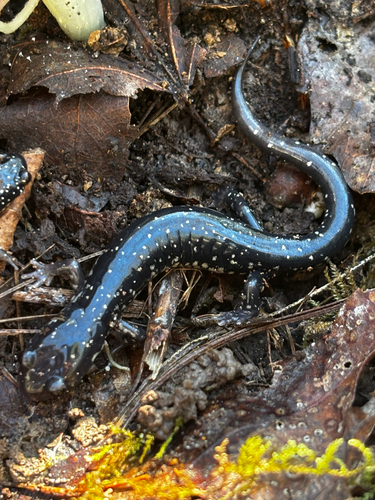
Close Relative (c) Chris Stahl, some rights reserved (CC BY) · cc-by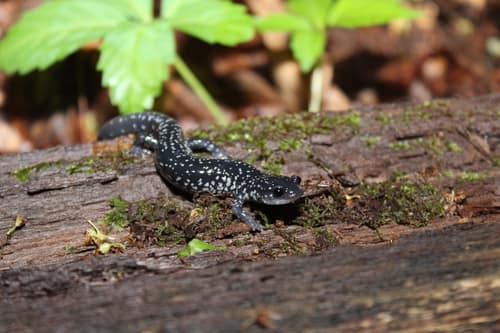
Close Relative (c) Ron M, some rights reserved (CC BY), uploaded by Ron M · cc-by
Help improve the field guideSomething wrong?
Checking your Fauna account…Report a name, category, or profile issue for review.