
Fish
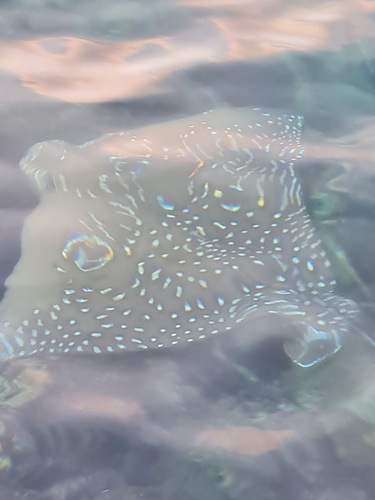
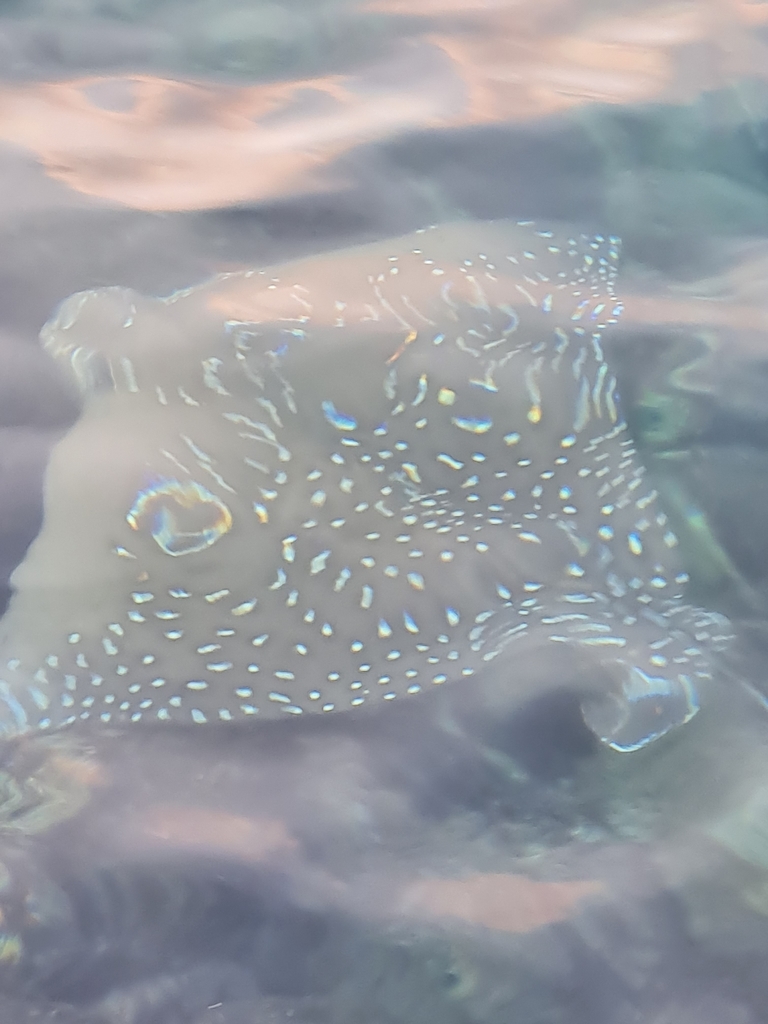
White-spotted Eagle Ray
Aetobatus ocellatusAlso known as Ocellated Eagle Ray
White-spotted eagle rays are active pelagic cruisers celebrated for their graceful underwater flight and remarkable habit of leaping completely out of the sea. They possess flattened, pavement-like tooth plates specifically adapted to crush hard-shelled mollusks and crustaceans dug up from sandy bottoms. Found across coral reefs and coastal lagoons of the Indo-Pacific, these rays often gather in large synchronized schools along reef drop-offs during high tide.
MarinePelagic
—observations
—countries
—peak records
EndangeredConservation statusIUCN Red List categoriesLCNTVUENCREWEXEndangeredRed List categories, explained →
Diet & preyClams and Oysters, Crabs and Shrimps, Hermit Crabs
Predators
- Tiger Shark
- Great Hammerhead
- Bull Shark
ThreatsTargeted and accidental gillnet capture, longline bycatch, and coastal habitat loss
HabitatsCoral reefs, lagoons, coastal bays, and shallow estuaries
Life span15–25 years
Classification
- OrderMyliobatiformes
- FamilyMyliobatidae
- GenusAetobatus
- SpeciesAetobatus ocellatus
Range data is not available yet.
Interaction riskVery high
- Low
- Moderate
- High
- Very high
- Why interaction risk is very high
- Possesses venomous barbed spines at the tail base; keep a respectful distance while diving.
- Why it is dangerous
- Serrated spines at the base of the whip-like tail deliver proteinaceous venom that causes excruciating pain, necrosis, and deep infection.
- How to recognize a risky encounter
- Look for a distinct duckbill-shaped snout, broad wing-like pectoral fins, and a dark back covered in white spots.
- What to do
- Never touch, harass, or corner a swimming or resting ray, and allow an open escape route at all times.
- What to notice
- Easily recognized in Indo-Pacific waters by diamond-shaped wings adorned with numerous white rings and spots.
- Support conservation
- Observe from a distance of at least 3 to 5 meters without blocking reef channels or feeding grounds.
Responsible observation
- Diving Etiquette: Maintain neutral buoyancy and avoid chasing schools, which causes them to flee.
- Boat Safety: Watch for surface-skimming or jumping rays when navigating shallow reef flats.
- Seafloor Awareness: Never attempt to touch resting rays on the sand to prevent defensive tail strikes.
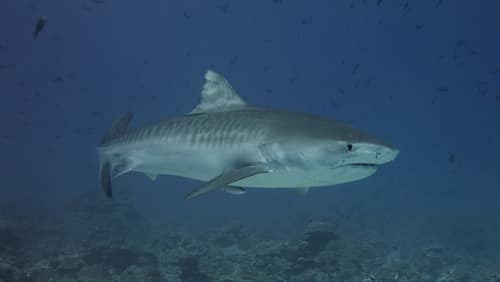
Predator (c) Kris-Mikael Krister, some rights reserved (CC BY) · cc-by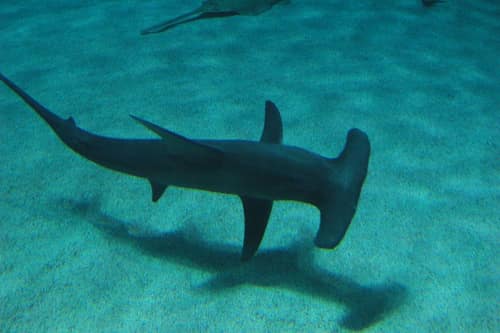
Predator (c) Jake Mohan, some rights reserved (CC BY) · cc-by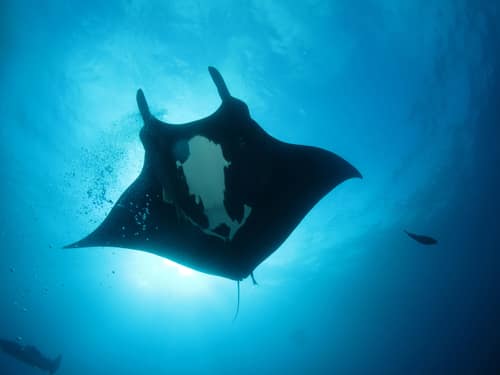
Same Order (c) Stevelaycock21, some rights reserved (CC BY-SA) · cc-by-sa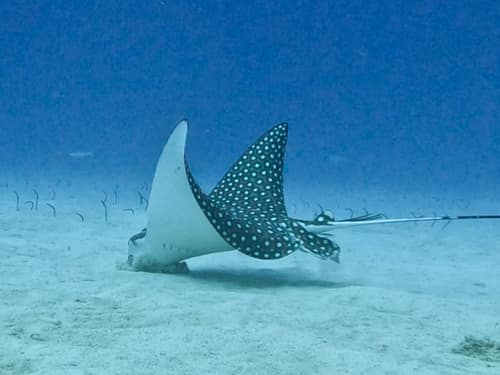
Close Relative (c) Dan Schofield, some rights reserved (CC BY) · cc-by
Help improve the field guideSomething wrong?
Checking your Fauna account…Report a name, category, or profile issue for review.