
Fish
Oceanic Manta Ray
Mobula birostrisAlso known as Giant Manta Ray, Giant Oceanic Manta Ray, Pelagic Manta Ray
Oceanic manta rays are gentle, intelligent giants possessing the largest brain-to-body ratio of any cold-blooded fish. They traverse open ocean currents in search of nutrient-rich upwellings, often executing graceful underwater somersaults to concentrate plankton patches. Individuals display unique dorsal and ventral spot patterns that persist throughout life, allowing researchers to track individuals across ocean basins.
PelagicPlanktivoreMarine
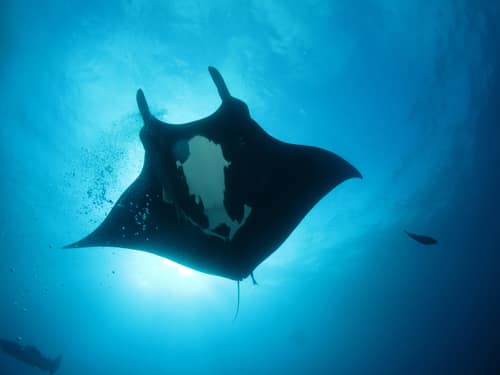
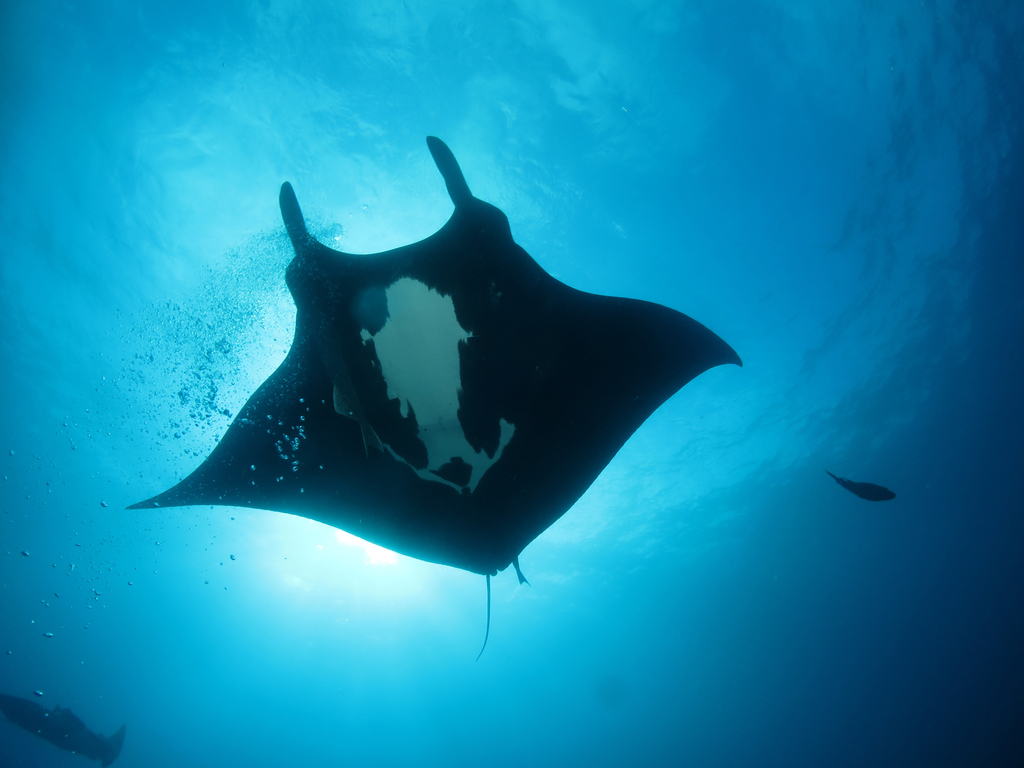
—observations
—countries
—peak records
EndangeredConservation statusIUCN Red List categoriesLCNTVUENCREWEXEndangeredRed List categories, explained →
Diet & preyKrill, Copepods, Mysid Shrimp
Predators
- Tiger Shark
- Great White Shark
- Orca
ThreatsTargeted fisheries for gill plates, accidental bycatch in nets, and plastic pollution
HabitatsPelagic open ocean, productive continental shelves, and offshore seamounts
Life span40–50 years
Classification
- OrderMyliobatiformes
- FamilyMyliobatidae
- GenusMobula
- SpeciesMobula birostris
Range data is not available yet.
Interaction riskLow
- Low
- Moderate
- High
- Very high
- Why interaction risk is low
- Safe to observe at a normal distance; mantas are docile and lack a functional sting.
- What to notice
- Look for enormous triangular pectoral wings and prominent white shoulder patches contrasting against a dark charcoal back.
- Support conservation
- Maintain a distance of at least three meters and allow rays to initiate and control any close approach.
Responsible observation
- Diving Etiquette: Float neutrally without chasing or blocking the ray's swimming path.
- Hands Off: Never touch skin surfaces, as contact strips the protective mucus layer.
- Flash Photography: Avoid direct strobes into the ray's eyes to prevent disorientation.
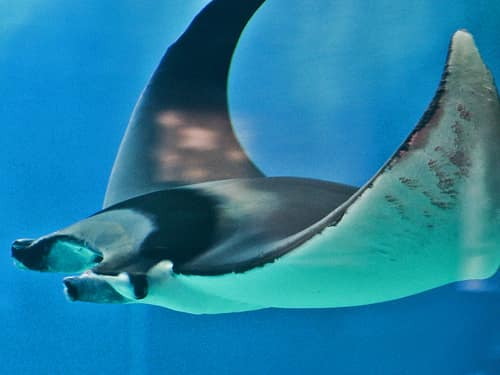
Same Genus Patrik Neckman from Stockholm, Sweden / CC BY-SA 2.0 · cc-by-sa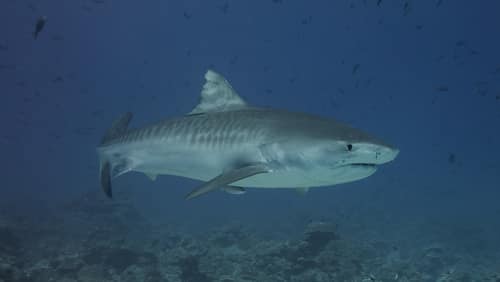
Predator (c) Kris-Mikael Krister, some rights reserved (CC BY) · cc-by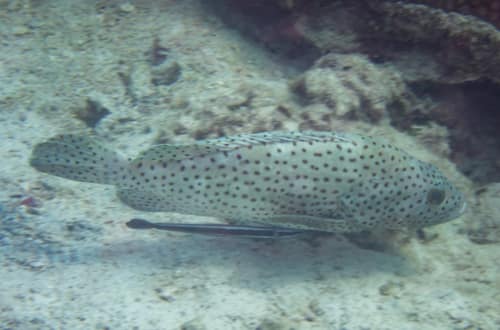
Symbiont (c) portioid, some rights reserved (CC BY) · cc-by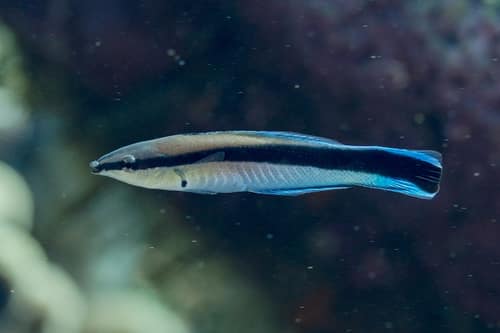
Symbiont Diego Delso / CC BY-SA 4.0 · cc-by-sa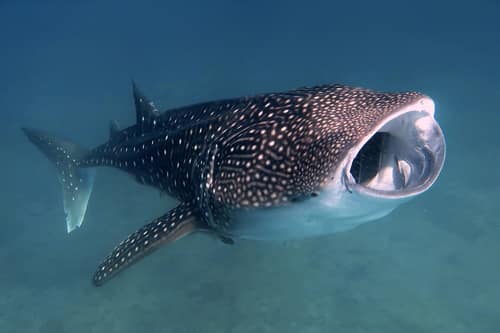
Neighbor (c) Daniel Benák, some rights reserved (CC BY), uploaded by Daniel Benák · cc-by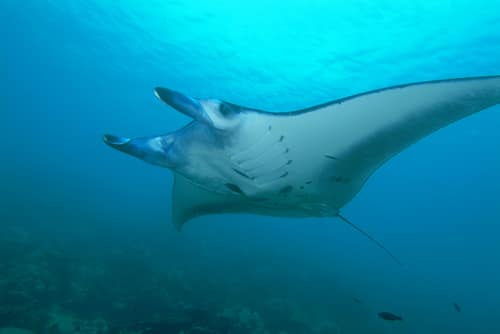
Close Relative Original uploader was Bartek.cieslak at pl.wikipedia / CC BY-SA 3.0 · cc-by-sa
Help improve the field guideSomething wrong?
Checking your Fauna account…Report a name, category, or profile issue for review.