
Species · GBIF taxon 2411317
Skilletfish
Gobiesox strumosusAlso known as Clingfish, Skillet Clingfish
Skilletfish use a powerful thoracic suction disc, formed by modified pelvic fins, to anchor themselves securely against surge and tides on rough oyster reefs and rocky shoals. Their broad, flattened heads and tapering bodies mimic the silhouette of a frying pan, providing exceptional camouflage among empty bivalve shells and submerged debris. During the spring and summer breeding season, males vigorously guard nests of adhesive amber eggs laid inside dead oyster shells, fanning them with their pectoral fins until hatching.
MarineCrypticEstuarine
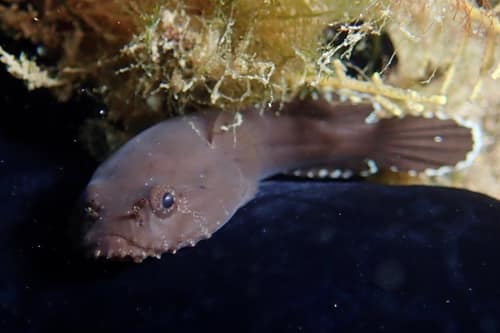
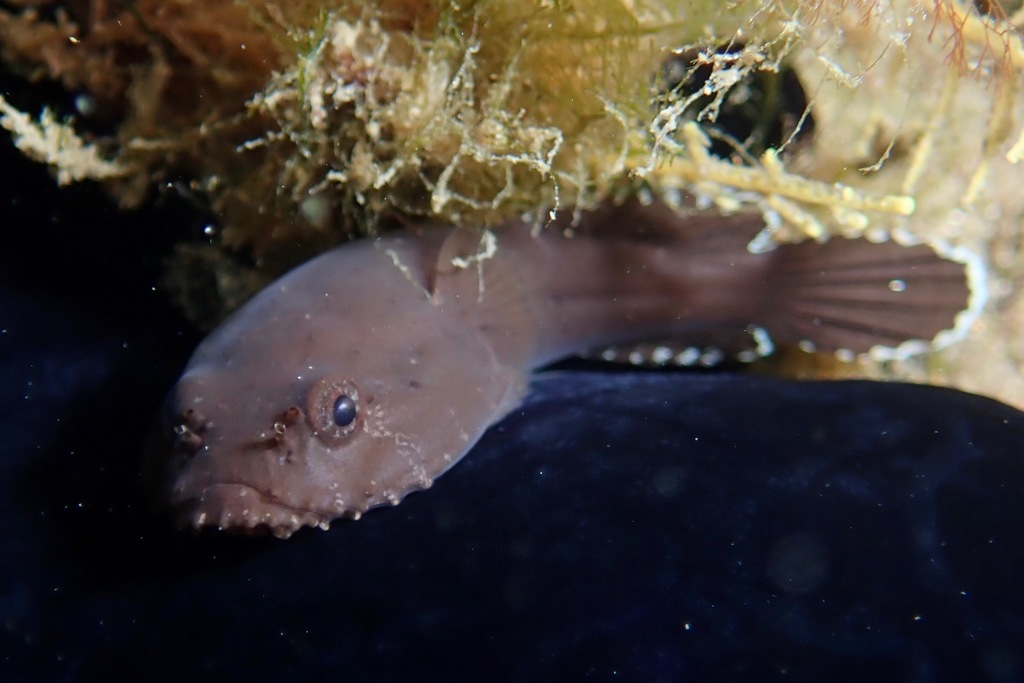
—observations
—countries
—peak records
Least ConcernConservation statusIUCN Red List categoriesLCNTVUENCREWEXLeast ConcernRed List categories, explained →
Diet & prey
- Amphipods
- Isopods
- Polychaete Worms
Predators
- Striped Bass
- Summer Flounder
- Great Blue Heron
ThreatsEstuarine pollution, oyster reef degradation, and shoreline development
HabitatsOyster reefs, seagrass beds, pilings, and shallow estuarine rubble
Life span2–3 years
Size / weightNot available
Classification
- OrderGobiesociformes
- FamilyGobiesocidae
- GenusGobiesox
- SpeciesGobiesox strumosus
Range data is not available yet.
Interaction riskLow
- Low
- Moderate
- High
- Very high
- Why interaction risk is low
- Safe to observe at a normal distance.
Responsible observation
- Shell inspection: Look closely inside dead, open oyster shells in shallow estuaries to spot resting individuals.
- Gentle handling: If found under loose stones or shells at low tide, avoid peeling them off hard surfaces as their suction disc can tear.
- Low tide searches: Check tidal pools and underside of dock pilings where they cling during dropping water levels.
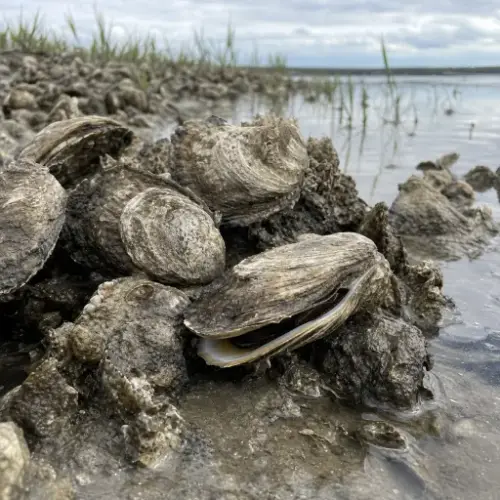
Habitat Provider Unknown / CC-BY · cc-by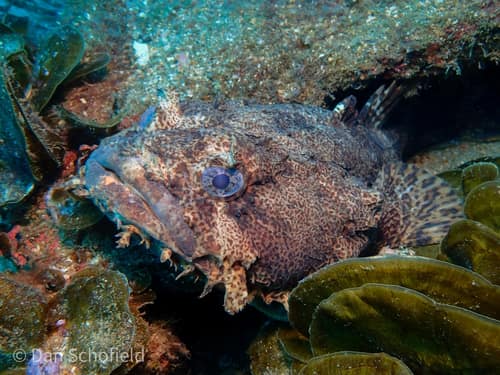
Competitor (c) Dan Schofield, some rights reserved (CC BY), uploaded by Dan Schofield · cc-by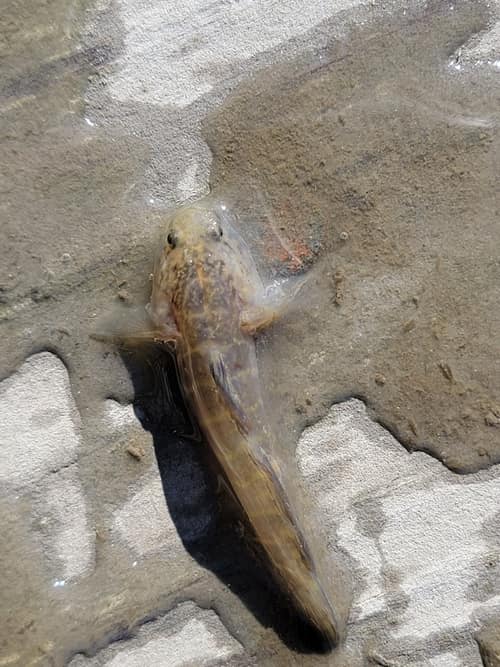
Frequent Companion no rights reserved · cc0 Image unavailable
Neighbor
Help improve the field guideSomething wrong?
Checking your Fauna account…Report a name, category, or profile issue for review.