
Species
Oyster Toadfish
Opsanus tauAlso known as Oyster Toad, Ugly Toad, Oyster Cracker, Bar Dog
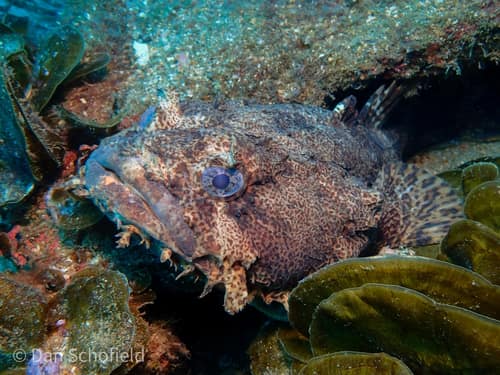
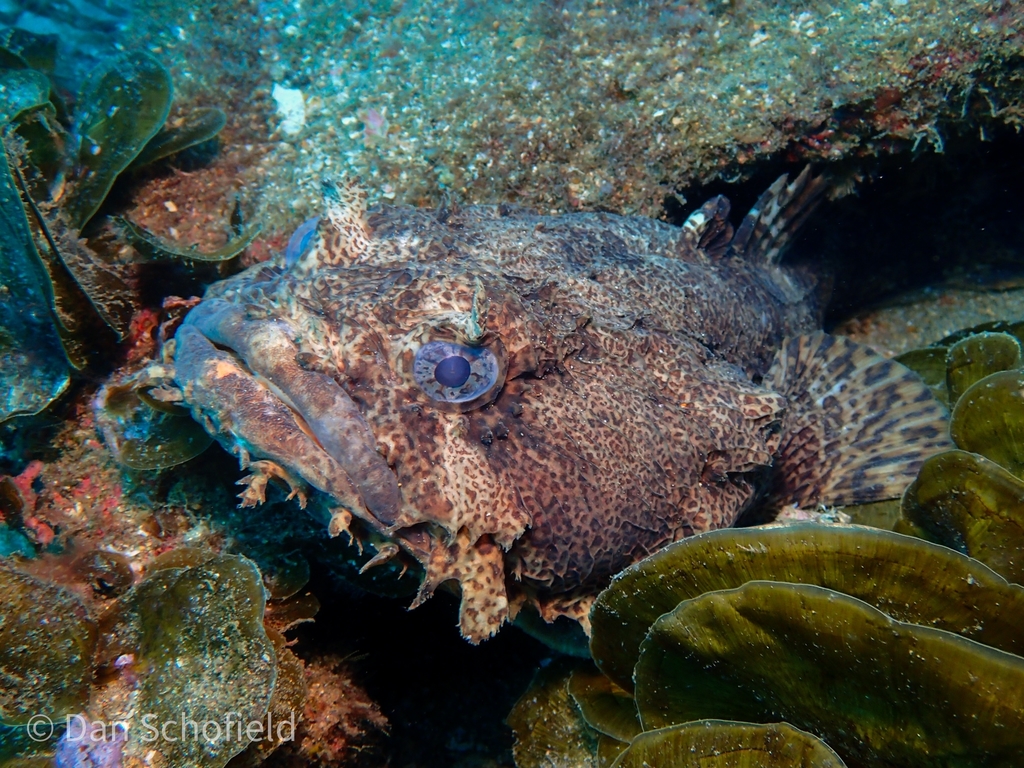
Oyster toadfish are sluggish bottom-dwellers with broad, flattened heads, fleshy chin barbels, and mottled brown camouflage that blends seamlessly into murky estuaries. During spring and summer, nesting males produce loud, foghorn-like boatwhistle calls by rapidly vibrating muscles against their swim bladders to attract females. Exceptionally hardy, these fish thrive in low-oxygen waters, can survive out of water for hours, and readily nest inside discarded cans and footwear.
Bottom DwellerAmbush PredatorVocal
—observations
—countries
—peak records
Least ConcernConservation statusIUCN Red List categoriesLCNTVUENCREWEXLeast ConcernRed List categories, explained →
Diet & preyMud Crabs, Eastern Oysters, Small Fish
Predators
- Large Sharks
- Groupers
- Sea Otters
ThreatsCoastal development, pollution, and accidental angler mortality
HabitatsEstuaries, oyster reefs, coastal bays, and artificial structures
Life span12–24 years
Classification
- FamilyBatrachoididae
- SpeciesOpsanus tau
Range data is not available yet.
Interaction riskLow
- Low
- Moderate
- High
- Very high
- Why interaction risk is low
- Possesses remarkably powerful jaws and sharp teeth; keep hands well clear of the mouth if encountered.
- Why it is dangerous
- Equipped with extraordinarily powerful crushing jaws and sharp teeth that can inflict deep, painful wounds or break bone.
- How to recognize a risky encounter
- Recognizable by its wide toad-like head, thick chin barbels, slimy skin without scales, and brown blotched pattern.
- What to do
- Never place fingers anywhere near the mouth, and use heavy gloves or pliers if unhooking a caught fish.
Responsible observation
- Watch Your Step: Wear stout water shoes when wading around oyster beds or rocky jetties where they conceal themselves.
- Handle safely: Use long-nosed pliers to remove hooks if accidentally caught while fishing.
- Listen after dark: Listen near coastal docks during late spring nights for their booming foghorn-like mating calls.
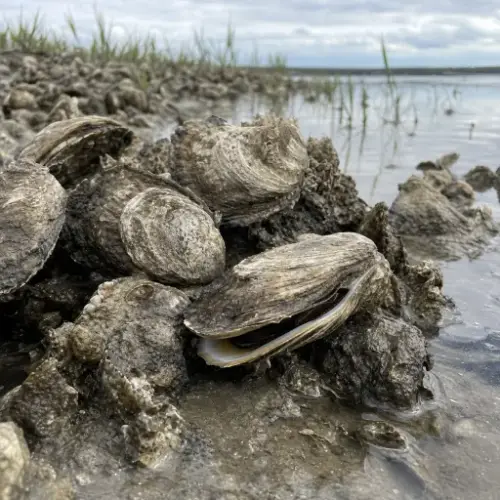
Habitat Companion Unknown / CC-BY · cc-by Image unavailable
Close Relative Family Member
Help improve the field guideSomething wrong?
Checking your Fauna account…Report a name, category, or profile issue for review.