
Invertebrate · GBIF taxon 2286067
Olympia Oyster
Ostrea luridaAlso known as Native Pacific Oyster, California Oyster
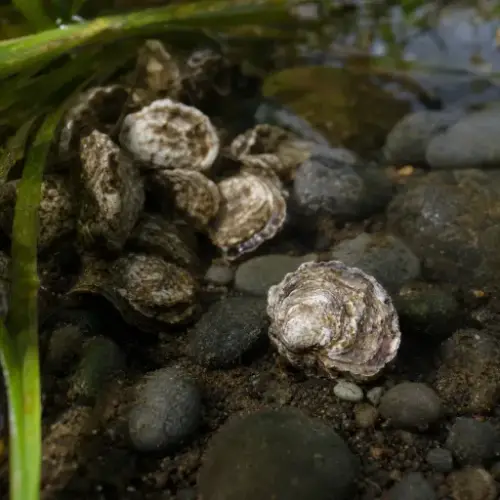
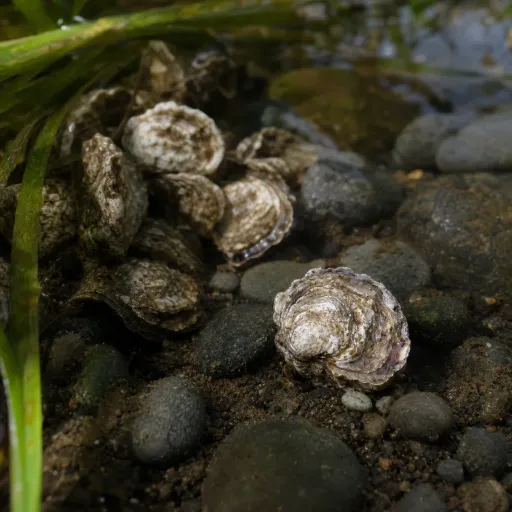
Olympia oysters are the only oyster species native to the Pacific coast of North America, forming vital biogenic reef habitats in low-intertidal estuaries and protected bays. They reproduce through sequential hermaphroditism, with mothers brooding fertilized eggs within their mantle cavities before releasing swimming veliger larvae into coastal currents. Extensive historic overharvesting and shoreline siltation decimated wild populations, prompting widespread modern restoration efforts to rebuild their ecological communities.
MolluskFilter FeederReef Builder
Licensed referenceUnknown / CC-BY · cc-by
—observations
—countries
—peak records
Not EvaluatedConservation statusIUCN Red List categoriesLCNTVUENCREWEXNot Evaluated — not placed on the risk ladderRed List categories, explained →
Diet & prey
- Diatoms
- Dinoflagellates
- Suspended Detritus
Predators
- Ochre Sea Star
- Red Rock Crab
- Atlantic Oyster Drill
ThreatsSedimentation, habitat degradation, ocean acidification, and invasive predatory snails
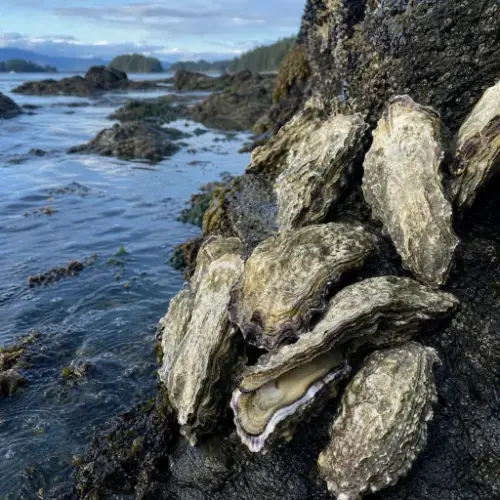
HabitatsEstuaries, saltwater bays, tidal channels, and sheltered rocky intertidal zones
Life span10–20 years
Size / weightNot available
Classification
- FamilyOstreidae
- SpeciesOstrea lurida
Range data is not available yet.
Interaction riskLow
- Low
- Moderate
- High
- Very high
- Why interaction risk is low
- Safe to observe at a normal distance; watch footing around sharp shell clusters.
- What to notice
- Recognizable by small, rounded shells under eight centimeters with purplish to greenish iridescence inside.
- Support conservation
- Leave wild shells undisturbed in estuaries to provide vital settlement substrate for juvenile larvae.
Responsible observation
- Tide Watching: Search for living clusters attached to rocks and pilings during extreme low tides.
- Tread Carefully: Avoid stepping directly on muddy shell beds to prevent crushing slow-growing clusters.
- Support Restoration: Clean boat hulls and fishing gear to prevent spreading invasive predatory snails.
Competitor Unknown / CC-BY · cc-by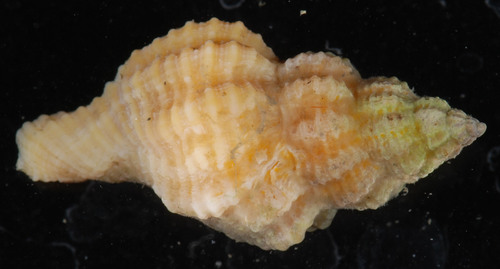
Predator (c) Smithsonian Environmental Research Center, some rights reserved (CC BY) · cc-by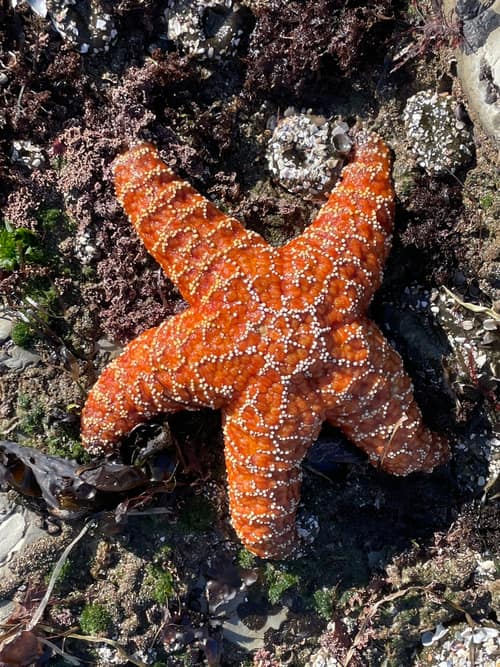
Predator no rights reserved · cc0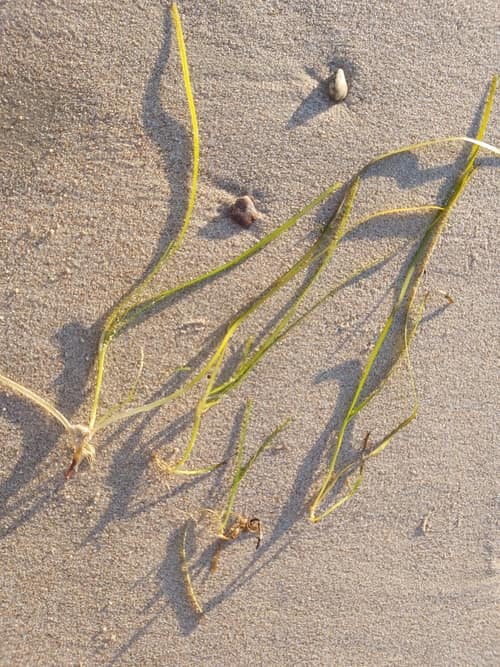
Frequent Companion no rights reserved · cc0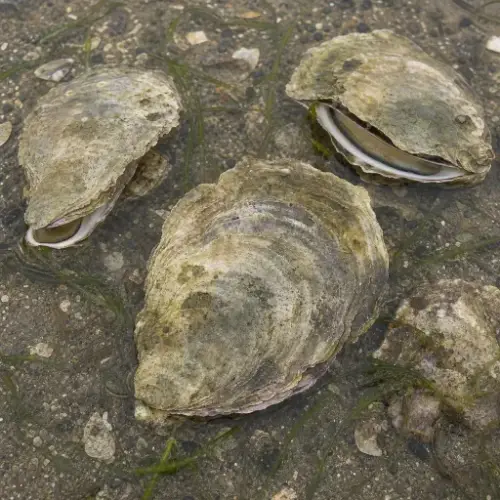
Close Relative Unknown / CC-BY · cc-by
Help improve the field guideSomething wrong?
Checking your Fauna account…Report a name, category, or profile issue for review.