Also known as Native Oyster, Edible Oyster, Mud Oyster, Belon Oyster
European flat oysters anchor to hard sea beds, forming complex biogenic reefs that buffer coastlines and provide shelter for hundreds of marine organisms. They are sequential hermaphrodites that switch sex repeatedly throughout life, releasing millions of larvae into coastal currents after brooding them internally. Decimated by historic overfishing and devastating parasitic outbreaks, wild beds are now the focus of major marine restoration initiatives across European waters.
Not EvaluatedConservation statusIUCN Red List categoriesLCNTVUENCREWEXNot Evaluated — not placed on the risk ladderRed List categories, explained →
Key facts
Diet & prey
Phytoplankton
Diatoms
Organic Detritus
Predators
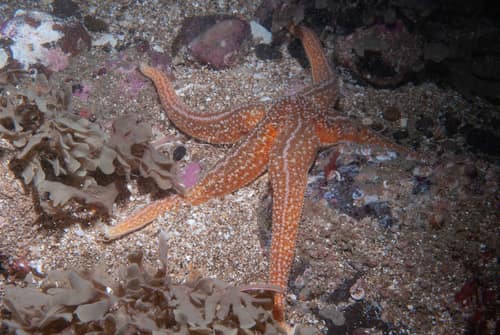
Common Starfish
Shore Crab
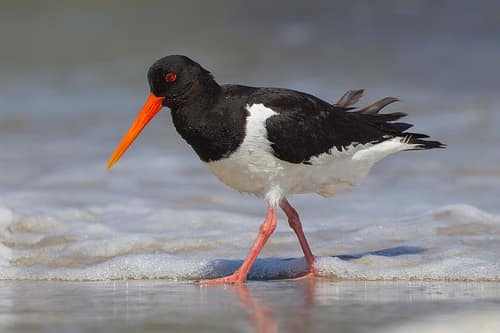
Eurasian Oystercatcher
ThreatsParasitic disease from Bonamia ostreae, historic overfishing, habitat destruction from bottom trawling, and invasive species
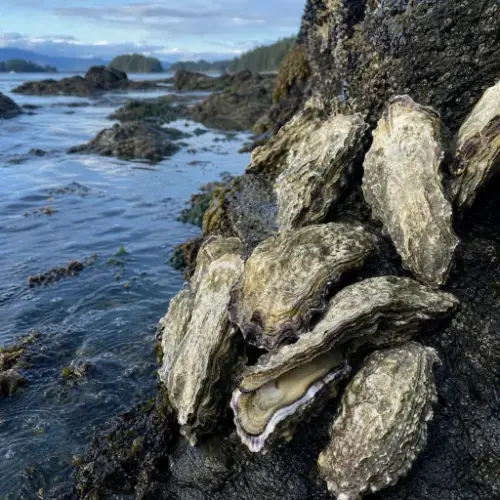
HabitatsShallow coastal waters, estuaries, tidal flats, and subtidal rocky or muddy reefs down to 50 meters depth
Life span15–30 years
Size / weightNot available
Classification
FamilyOstreidae
SpeciesOstrea edulis
Range & activity
Range data is not available yet.
Safe observation
Interaction riskLow
Low
Moderate
High
Very high
Why interaction risk is low
Safe to observe at a normal distance.
What to notice
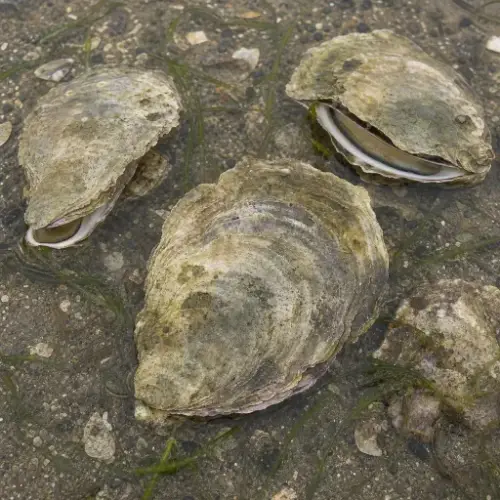
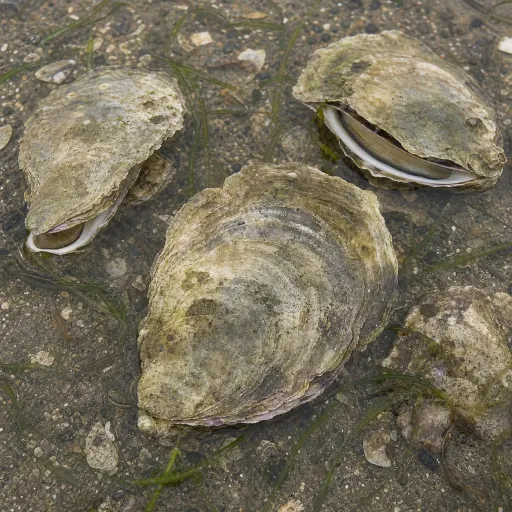
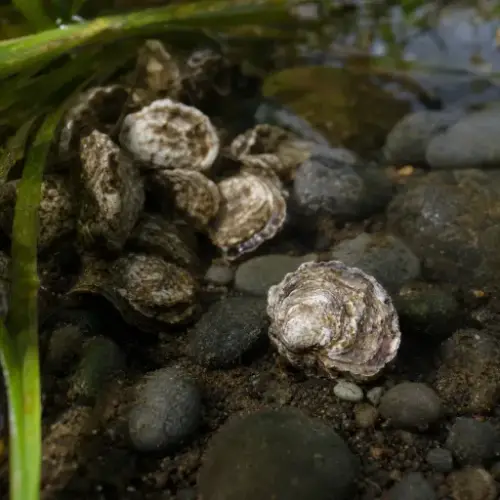
Recognizable by its circular or pear-shaped, relatively flat shell with delicate concentric growth rings, lacking the sharp zigzag margins of Pacific oysters.
Support conservation
Leave wild live specimens undisturbed in the substrate to aid ongoing breeding and natural reef recovery efforts.
Responsible observation
Tidal Viewing: Look for weathered shells on low-tide rocky shores or shell banks rather than disturbing living subtidal beds.
Support Restoration: Avoid walking on or anchoring in marked marine protected areas and oyster reef restoration zones.