
Invertebrate · GBIF taxon 2224426
White-spotted Hermit Crab
Dardanus megistosAlso known as Spotted Hermit Crab, Large Spotted Hermit Crab
Bright crimson coloration covered in white spots framed by black borders makes the white-spotted hermit crab one of the most striking reef dwellers in the Indo-Pacific. Covered in dense hair-like bristles, this nocturnal scavenger marches along coral rubble and reef flats searching for fallen organic material, small invertebrates, and carrion. Adults reach impressive sizes, requiring heavy gastropod shells from giant snails to protect their soft abdomens.
ColorfulReef DwellerNocturnal
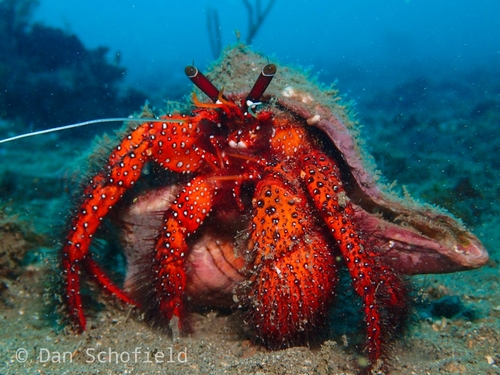
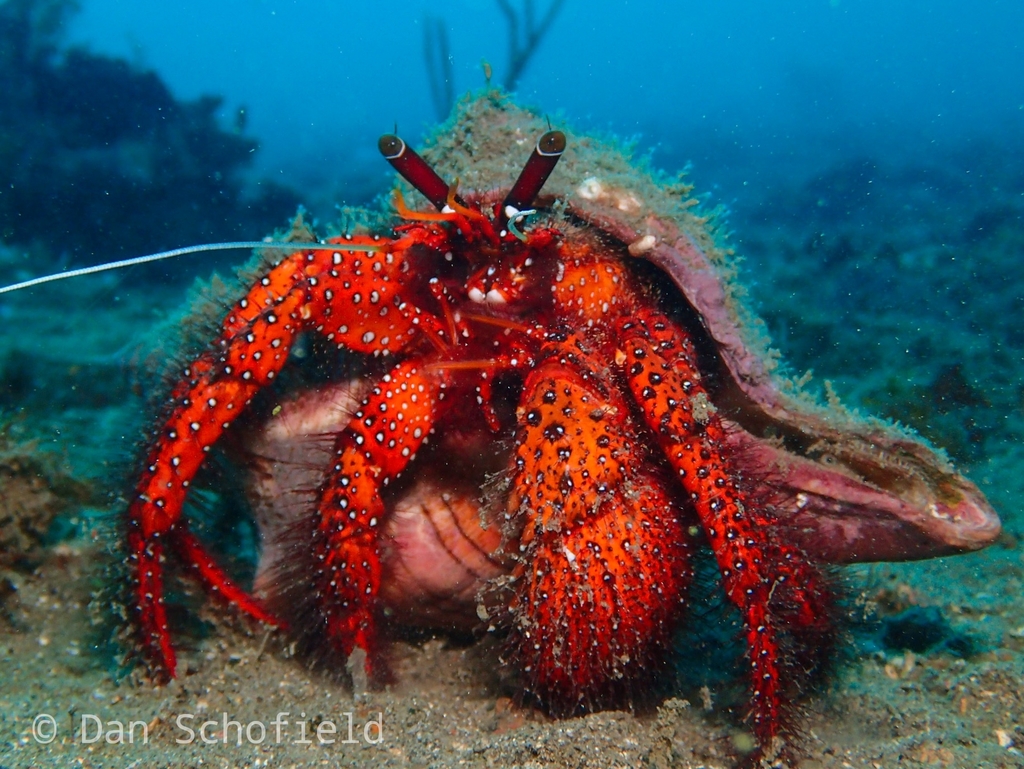 1 / 7
1 / 7—observations
—countries
—peak records
Not EvaluatedConservation statusIUCN Red List categoriesLCNTVUENCREWEXNot Evaluated — not placed on the risk ladderRed List categories, explained →
Diet & prey
- Mollusks
- Small crustaceans
- Macroalgae
Predators
- Triggerfish
- Octopuses
- Pufferfish
ThreatsCoral reef degradation, loss of large gastropod shells, collection for marine aquariums
HabitatsCoral reefs, rocky reef flats, shallow sandy lagoons
Life span10–30 years
Classification
- OrderDecapoda
- FamilyDiogenidae
- GenusDardanus
- SpeciesDardanus megistos
Range data is not available yet.
Interaction riskLow
- Low
- Moderate
- High
- Very high
- Why interaction risk is low
- Powerful claws can pinch severely if handled; observe without picking up while reef exploring or diving.
- Why it is dangerous
- The heavy left claw exerts substantial pinching force that can tear skin if the crab is handled or cornered.
- How to recognize a risky encounter
- Recognized by vibrant red coloration covered in white spots with thin black outlines and stiff bristles.
- What to do
- Enjoy observing underwater or in tidepools without attempting to handle or remove the crab from its shell.
Responsible observation
- Night Tidepooling: Search shallow reef flats after dark when these nocturnal crustaceans emerge to feed.
- Observe Movement: Watch how the large left claw acts as a protective doorway when it retreats into its shell.
- Leave Shells Behind: Avoid taking empty snail shells from beaches, as hermit crabs rely on them for growth.
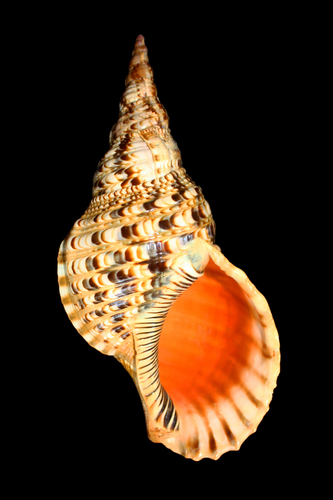
Shell Source (c) AntanO, some rights reserved (CC BY-SA) · cc-by-sa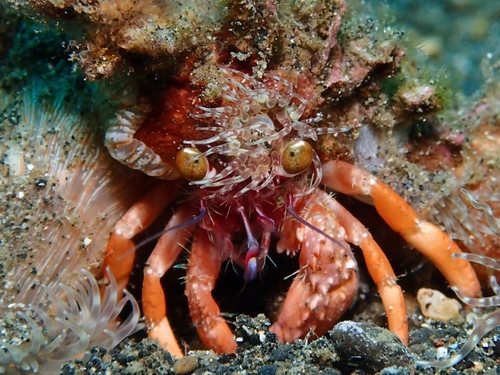
Close Relative (c) Dan Schofield, some rights reserved (CC BY), uploaded by Dan Schofield · cc-by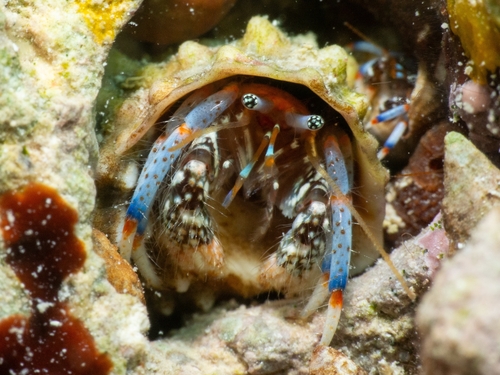
Family Relative (c) Dan Schofield, some rights reserved (CC BY), uploaded by Dan Schofield · cc-by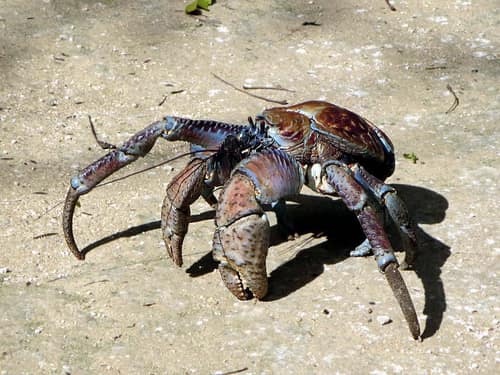
Distant Relative (c) David Stanley, some rights reserved (CC BY) · cc-by
Help improve the field guideSomething wrong?
Checking your Fauna account…Report a name, category, or profile issue for review.