
Invertebrate · GBIF taxon 2222079
Red Rock Crab
Cancer productusAlso known as Pacific Red Rock Crab, Brick-Red Crab
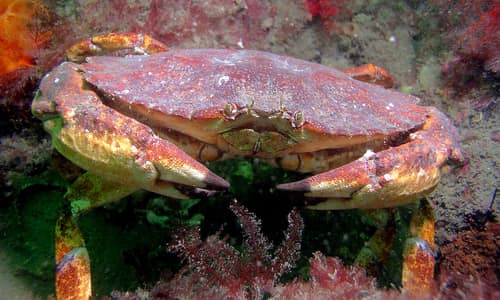
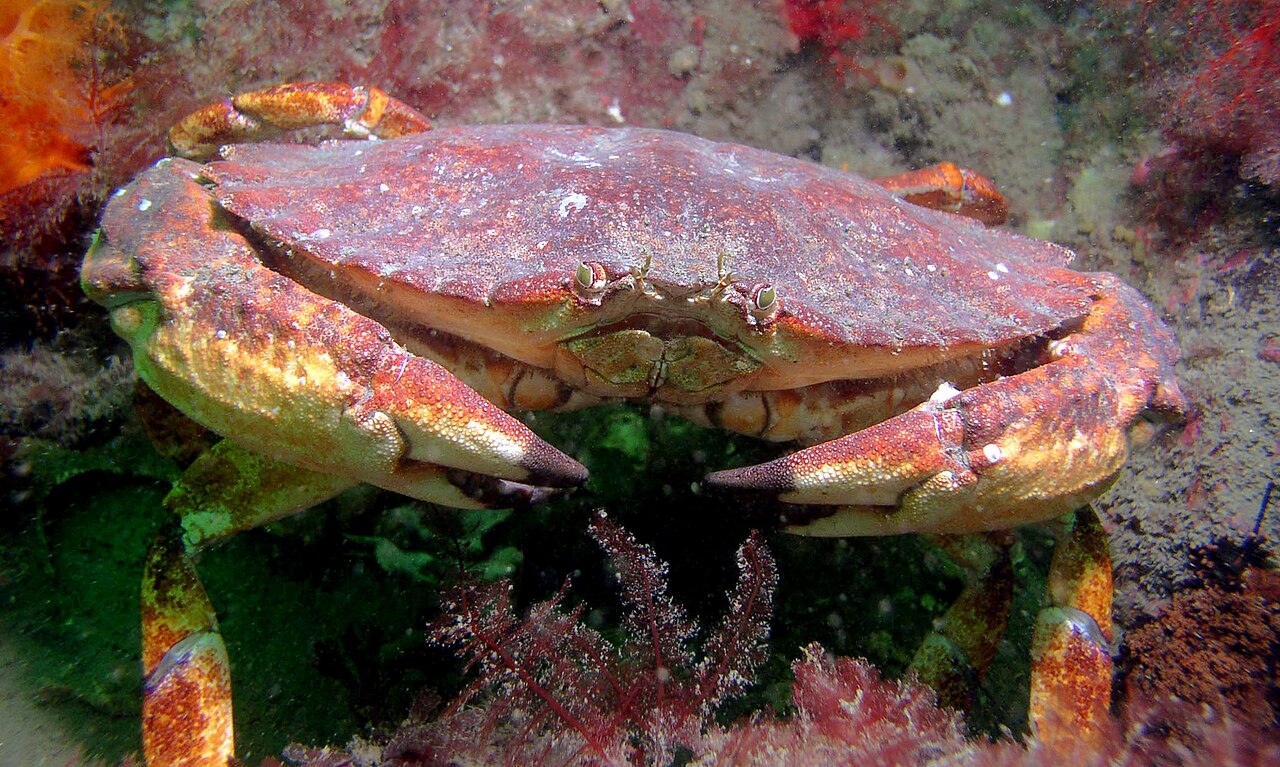
Red rock crabs patrol rocky Pacific intertidal reefs and subtidal kelp forests, using exceptionally strong, black-tipped pincers to crush thick-shelled barnacles and clams. Juveniles display remarkably varied color patterns ranging from striped to stark white before adopting the solid brick-red coloration of mature adults. Highly territorial and aggressive when cornered, these heavy-bodied scavengers play a crucial role in regulating invertebrate populations along the North American coastline.
MarineCrustaceanIntertidal
—observations
—countries
—peak records
Not EvaluatedConservation statusIUCN Red List categoriesLCNTVUENCREWEXNot Evaluated — not placed on the risk ladderRed List categories, explained →
Diet & prey
- Acorn Barnacles
- Blue Mussels
- Littleneck Clams
Predators
- Giant Pacific Octopus
- Sea Otters
- Sea Gulls
ThreatsHabitat disturbance, ocean acidification, coastal pollution
HabitatsRocky intertidal, subtidal reefs, kelp beds
Life span5–8 years
Size / weightNot available
Classification
- OrderDecapoda
- FamilyCancridae
- GenusCancer
- SpeciesCancer productus
Range data is not available yet.
Interaction riskLow
- Low
- Moderate
- High
- Very high
- Why interaction risk is low
- Powerful claws can crush shells and cause severe pinches; handle only from the rear carapace.
- Why it is dangerous
- Powerful, thick pincers generate immense crushing force capable of breaking skin or bruising fingers severely.
- How to recognize a risky encounter
- Features a wide, heavy brick-red shell with dark black tips on both pincers.
- What to do
- Approach from behind and firmly grip the back edge of the carapace to stay clear of pincers.
Responsible observation
- Tidepooling Etiquette: Observe crabs in tidepools without lifting or disturbing rocks that shelter marine life.
- Safe Handling: Hold the rear carapace between thumb and index finger if handling is necessary.
- Shell Identification: Look for distinctive black-tipped claws to distinguish from similar crabs.
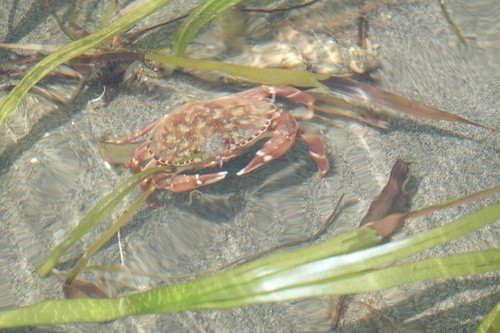
Competitor no rights reserved · cc0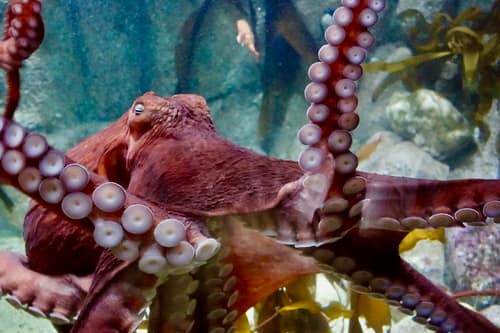
Predator "Giant Pacific Octopus" by jurvetson is licensed under CC BY 2.0. To view a copy of this license, visit https://creativecommons.org/licenses/by/2.0/. · cc-by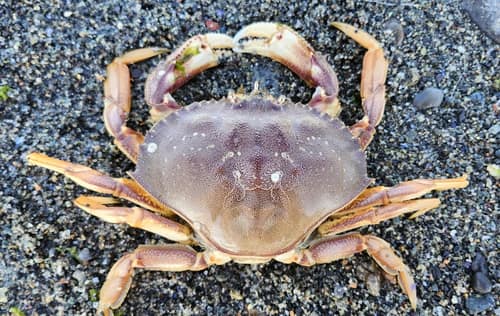
Close Relative (c) Lisa Zhang, some rights reserved (CC BY), uploaded by Lisa Zhang · cc-by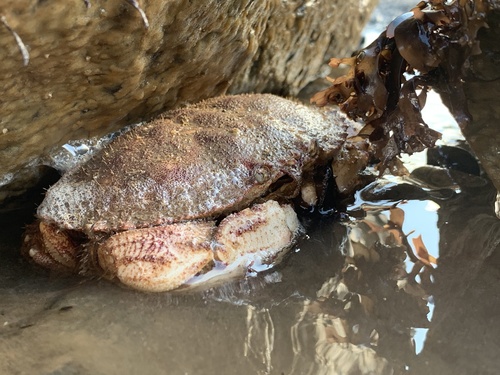
Close Relative (c) Ian Manning, some rights reserved (CC BY), uploaded by Ian Manning · cc-by
Keep collecting in Fauna
Found in Collections
Species set Pro
Shore Life
Red Rock Crab is found in this collection. Identify it in Fauna to fill this slot and continue your progress.
Unlock to track progress
Help improve the field guideSomething wrong?
Checking your Fauna account…Report a name, category, or profile issue for review.