
Insect · GBIF taxon 2072196
Oleander Aphid
Aphis neriiAlso known as Milkweed Aphid, Nerium Aphid, Sweet Pepper Aphid
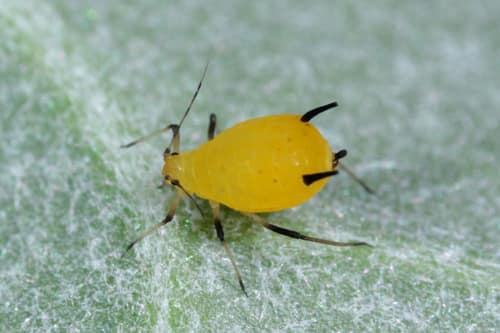
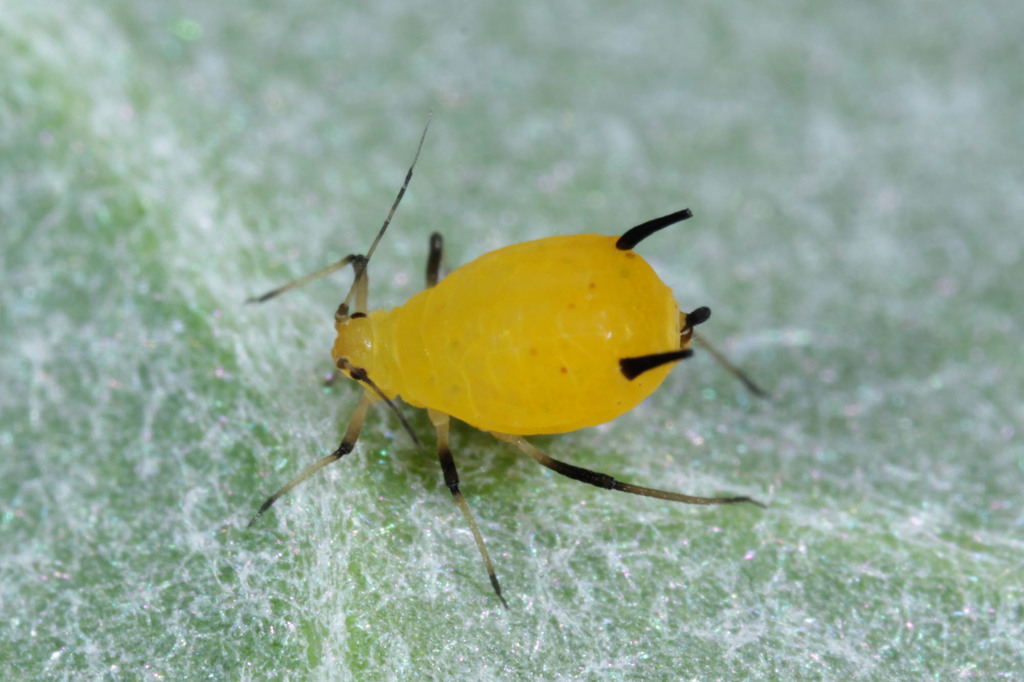
Bright golden-yellow with contrasting jet-black appendages, oleander aphids cluster densely along the tender stems, buds, and seed pods of milkweeds and dogbanes. Populations consist almost entirely of parthenogenetic females that give birth directly to live nymphs, allowing colonies to multiply exponentially without mating. While feeding, they sequester bitter cardiac glycosides from their toxic host plants, making both the aphids and their sweet honeydew unpalatable to many generalist predators.
HerbivorousParthenogeneticAposematic
 1 / 7
1 / 7—observations
—countries
—peak records
Not EvaluatedConservation statusIUCN Red List categoriesLCNTVUENCREWEXNot Evaluated — not placed on the risk ladderRed List categories, explained →
Diet & prey
- Asclepias sap
- Nerium oleander sap
- Cynanchum sap
Predators
- Convergent Lady Beetle
- Hoverfly Larva
- Lacewing Larva
ThreatsSevere cold temperatures, chemical pesticides, and parasitoid wasps
HabitatsGardens, meadows, roadsides, disturbed areas, and citrus groves
Life span3–5 weeks
Classification
- OrderHemiptera
- FamilyAphididae
- GenusAphis
- SpeciesAphis nerii
Range data is not available yet.
Interaction riskLow
- Low
- Moderate
- High
- Very high
- Why interaction risk is low
- Harmless to humans; safe to observe at a close distance.
Responsible observation
- Examine host plants: Look under young leaves and around fresh flower buds on milkweed and oleander.
- Spot ladybug larvae: Search nearby foliage for alligator-shaped ladybug larvae actively hunting the colony.
- Gentle water spray: Use a light blast from a garden hose to dislodge heavy infestations without harming plants.
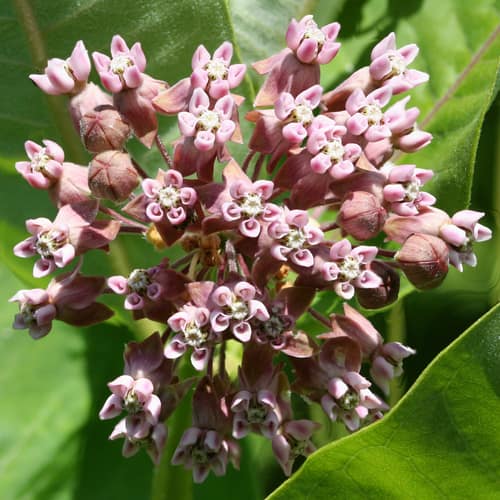
Host Plant (c) Randy Nonenmacher, some rights reserved (CC BY-SA) · cc-by-sa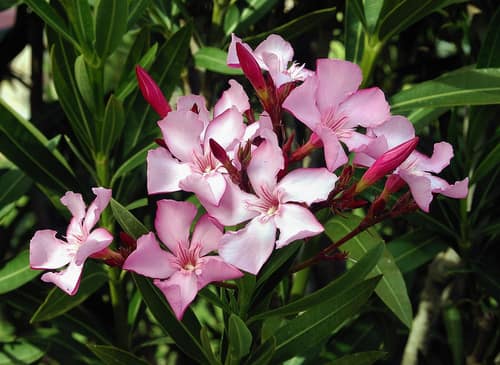
Host Plant Alvesgaspar / CC BY 2.5 · cc-by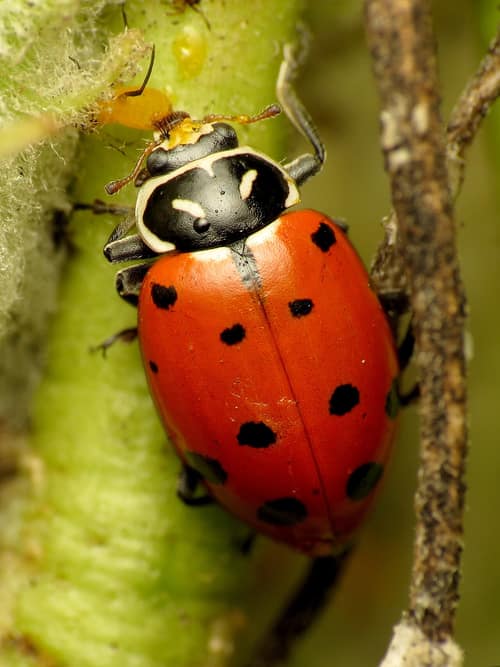
Predator Katja Schulz from Washington, D. C., USA / CC BY 2.0 · cc-by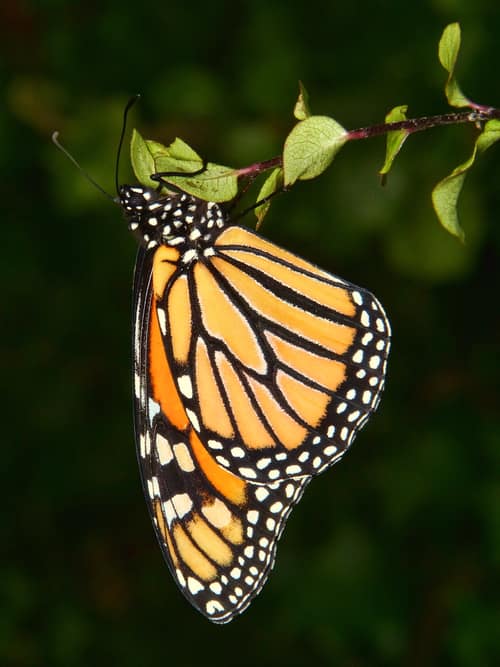
Competitor Sid Mosdell from New Zealand / CC BY 2.0 · cc-by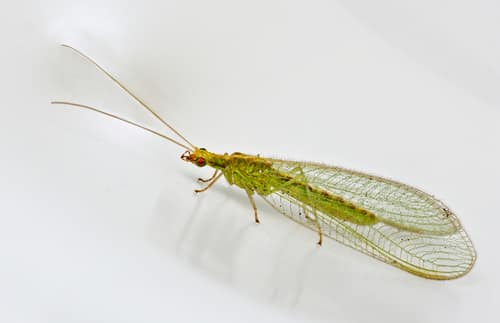
Predator (c) AJC1, some rights reserved (CC BY-SA) · cc-by-sa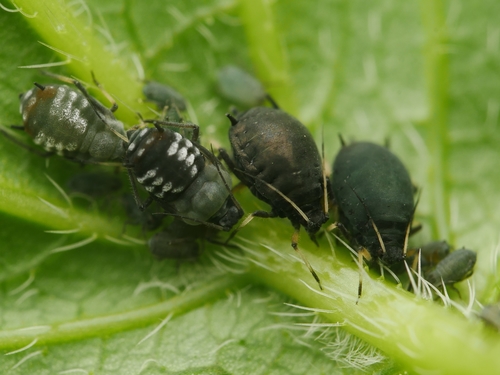
Same Genus (c) Alexis Tinker-Tsavalas, some rights reserved (CC BY), uploaded by Alexis Tinker-Tsavalas · cc-by
Help improve the field guideSomething wrong?
Checking your Fauna account…Report a name, category, or profile issue for review.