
Insect · GBIF taxon 2050243
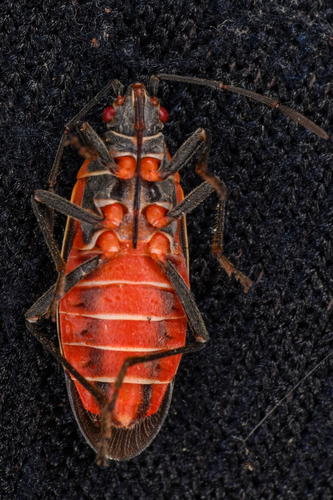
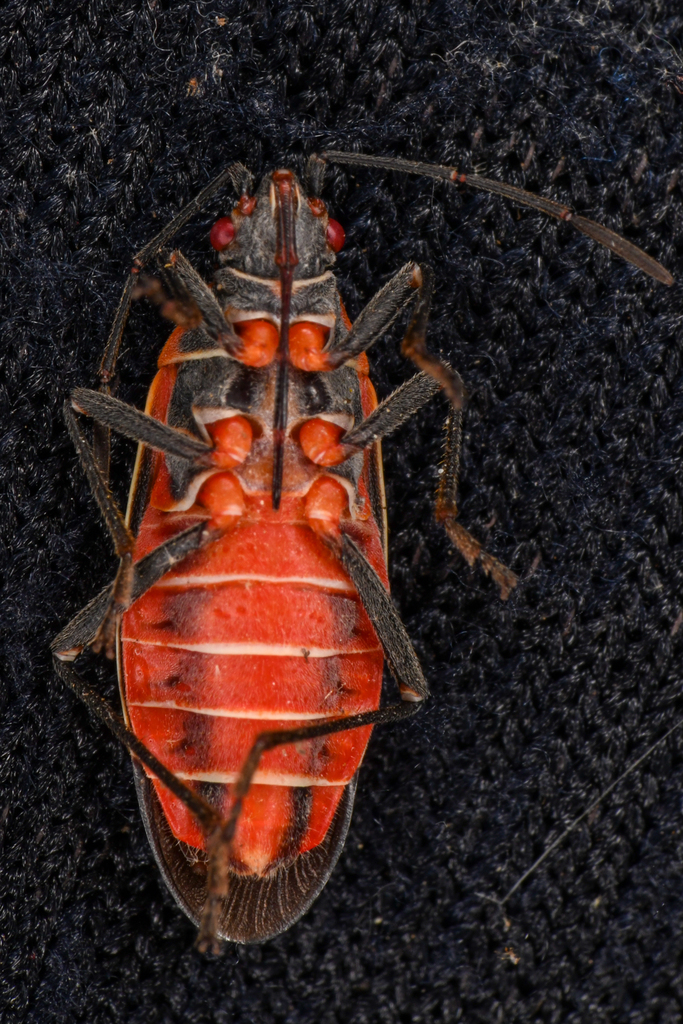
Western Boxelder Bug
Boisea rubrolineataAlso known as Box Elder Bug
Western boxelder bugs gather in large, sun-drenched clusters on tree trunks, rocks, and south-facing exterior walls during crisp autumn days. They feed primarily by using piercing-sucking mouthparts to draw sap from the developing seeds, leaves, and twigs of boxelder trees and related maples. As temperatures drop, adult bugs seek warm, sheltered cracks and crevices to overwinter, frequently wandering into buildings where they enter a dormant state until spring.
True BugHerbivorousSocial Basking
—observations
—countries
—peak records
Not EvaluatedConservation statusIUCN Red List categoriesLCNTVUENCREWEXNot Evaluated — not placed on the risk ladderRed List categories, explained →
Diet & prey
- Boxelder seeds
- Maple sap
- Ash seeds
Predators
- Spiders
- Wheel bugs
- Praying mantises
ThreatsPesticide spraying, severe winter freezes, and removal of host trees
HabitatsRiparian woodlands, urban forests, parks, and suburban gardens where boxelders grow
Life spanUp to 1 year
Classification
- OrderHemiptera
- FamilyRhopalidae
- GenusBoisea
- SpeciesBoisea rubrolineata
Range data is not available yet.
Interaction riskLow
- Low
- Moderate
- High
- Very high
- Why interaction risk is low
- Harmless to humans and pets; safe to observe at close range.
Responsible observation
- Indoor Visitors: Gently sweep or vacuum indoor aggregations and release them outside, avoiding crushing them to prevent foul odors or light stains.
- Basking Observation: Look along sunny tree trunks or warm concrete foundations during bright autumn afternoons to find dense clusters.
- Host Identification: Inspect seed-bearing female boxelder trees in late summer to locate wingless, brightly colored nymphs.
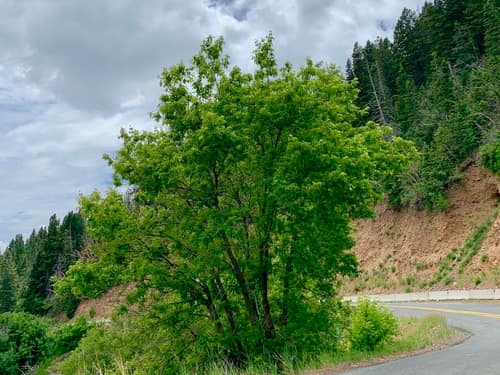
Host Plant CK Kelly / CC BY 4.0 · cc-by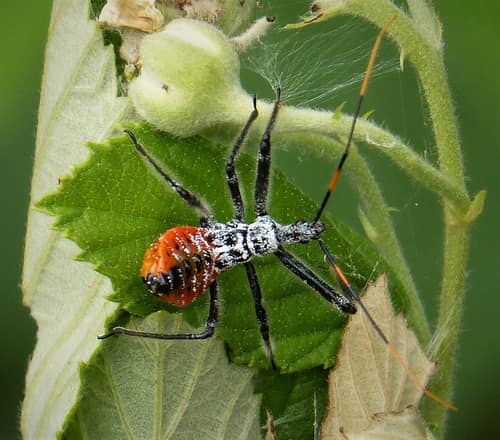
Predator (c) gailhampshire, some rights reserved (CC BY) · cc-by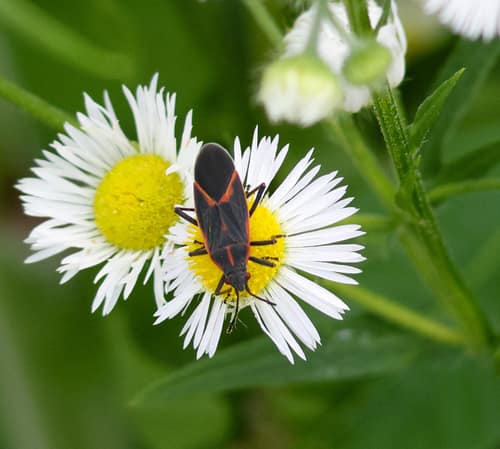
Close Relative (c) Susan Blayney, some rights reserved (CC BY), uploaded by Susan Blayney · cc-by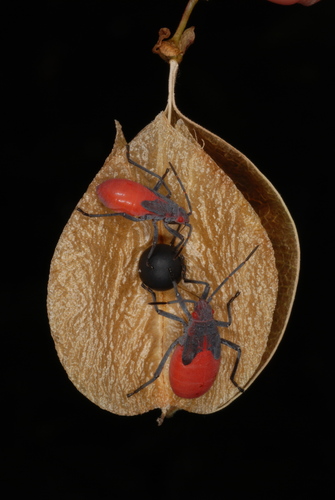
Same Family (c) Douglas Goldman, some rights reserved (CC BY-SA), uploaded by Douglas Goldman · cc-by-sa
Help improve the field guideSomething wrong?
Checking your Fauna account…Report a name, category, or profile issue for review.