
Insect · GBIF taxon 1938125
Citrus Swallowtail
Papilio demodocusAlso known as Christmas Butterfly, Citrus Dog, African Lime Swallowtail, Orange Dog
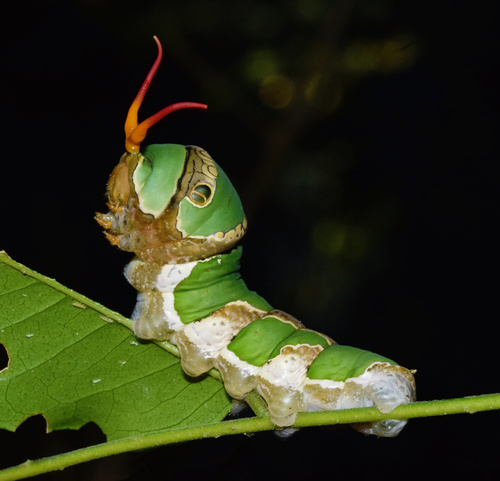
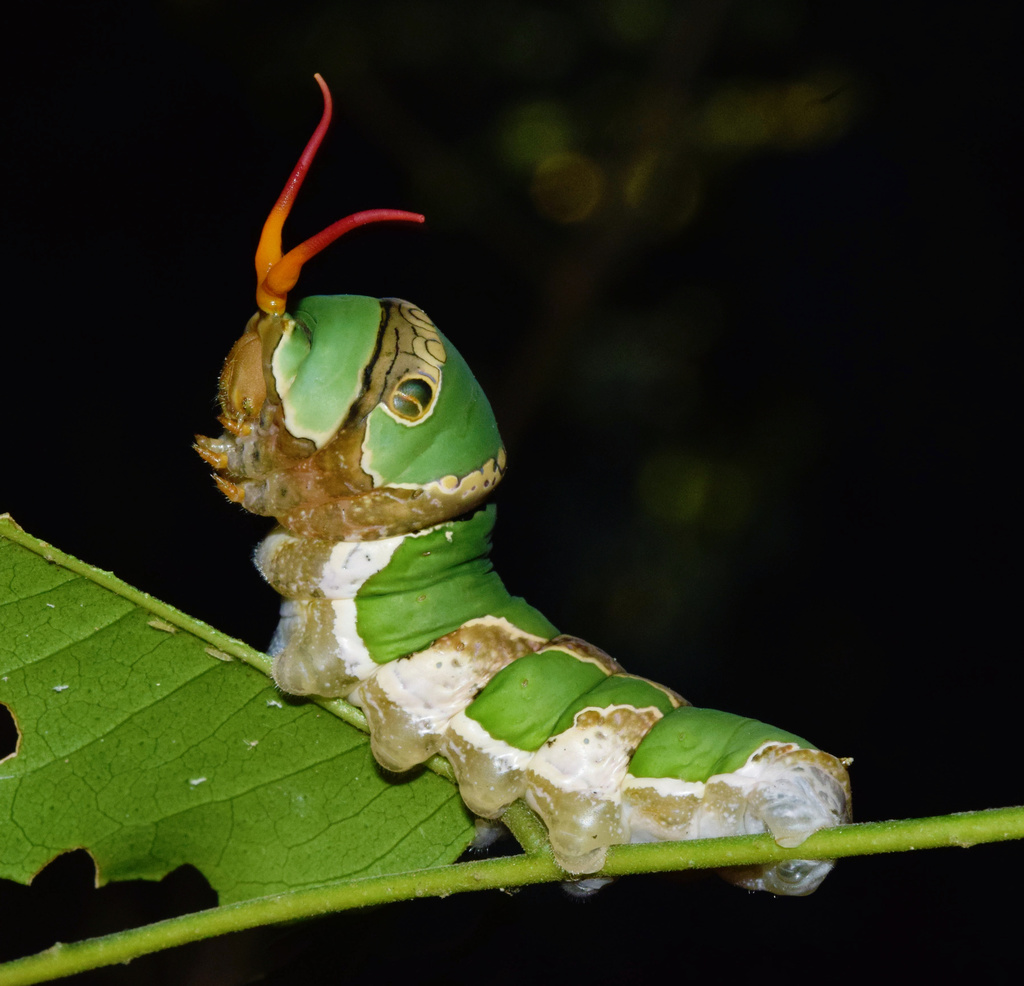
Citrus swallowtail butterflies flutter through sunny gardens and orchards across sub-Saharan Africa with rapid, erratic flight patterns. Young caterpillars mimic shiny bird droppings to dodge predators before molting into plump green larvae that deploy a smelly, orange organ called an osmaterium when threatened. Adults gather in warm weather around vibrant flowers to sip nectar and puddle along wet soil for essential minerals.
DiurnalColorfulPollinator
 1 / 7
1 / 7—observations
—countries
—peak records
Least ConcernConservation statusIUCN Red List categoriesLCNTVUENCREWEXLeast ConcernRed List categories, explained →
Diet & prey
- Floral nectar
- Citrus leaves
- Mineral moisture
Predators
- Birds
- Praying mantises
- Orb-weaver spiders
ThreatsPesticide spraying in agricultural citrus groves.
HabitatsCitrus orchards, suburban gardens, savannas, woodland clearings, and tropical forest edges.
Life span3–4 weeks as adults; 1–2 months total lifecycle.
Size / weightNot available
Classification
- FamilyPapilionidae
- SpeciesPapilio demodocus
Range data is not available yet.
Interaction riskLow
- Low
- Moderate
- High
- Very high
- Why interaction risk is low
- Safe to observe at a normal distance.
Responsible observation
- Puddling Behavior: Look for males gathering on damp soil or mud banks to absorb essential salts and minerals.
- Citrus Gardening: Check the undersides of young citrus leaves for small, shiny, dome-shaped eggs and early-stage caterpillars.
- Larval Defense: Avoid poking caterpillars, as they can extrude a foul-smelling orange organ called an osmaterium.
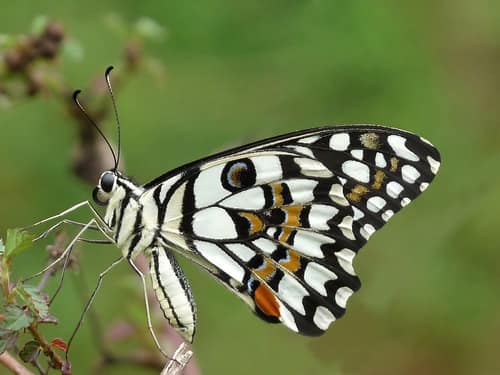
Close Relative Jeevan Jose, Kerala, India / CC BY-SA 4.0 · cc-by-sa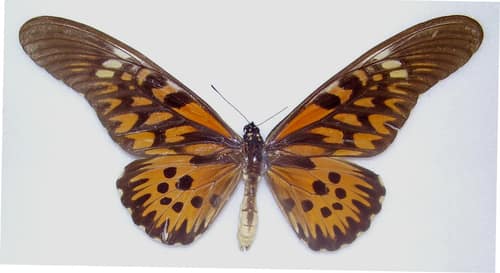
Close Relative (c) Robert Nash, Curator of Entomology,Ulster Museum, some rights reserved (CC BY-SA) · cc-by-sa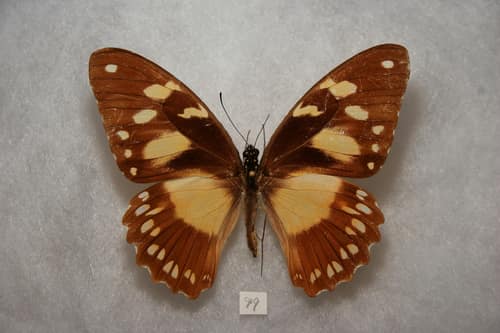
Close Relative (c) Dave Rogers, some rights reserved (CC BY) · cc-by
Help improve the field guideSomething wrong?
Checking your Fauna account…Report a name, category, or profile issue for review.