
Insect · GBIF taxon 1937667
Mocker Swallowtail
Papilio dardanusAlso known as African Swallowtail, Flying Handkerchief, Saharan Swallowtail
Mocker swallowtails display one of the most remarkable evolutionary adaptations in the insect world, featuring extreme female polymorphism. While males retain a consistent yellow-and-black pattern with prominent tail streamers, females occur in numerous tailless morphs that mimic distinct species of unpalatable milkweed butterflies to deter predators. Patroling along forest margins and sunny glades, males fly erratically with wide, flapping movements that earned them the nickname flying handkerchief.
PolymorphicSub-SaharanButterfly
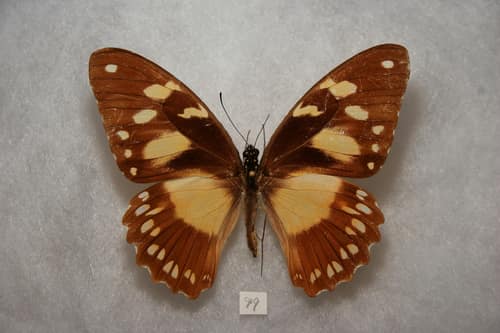
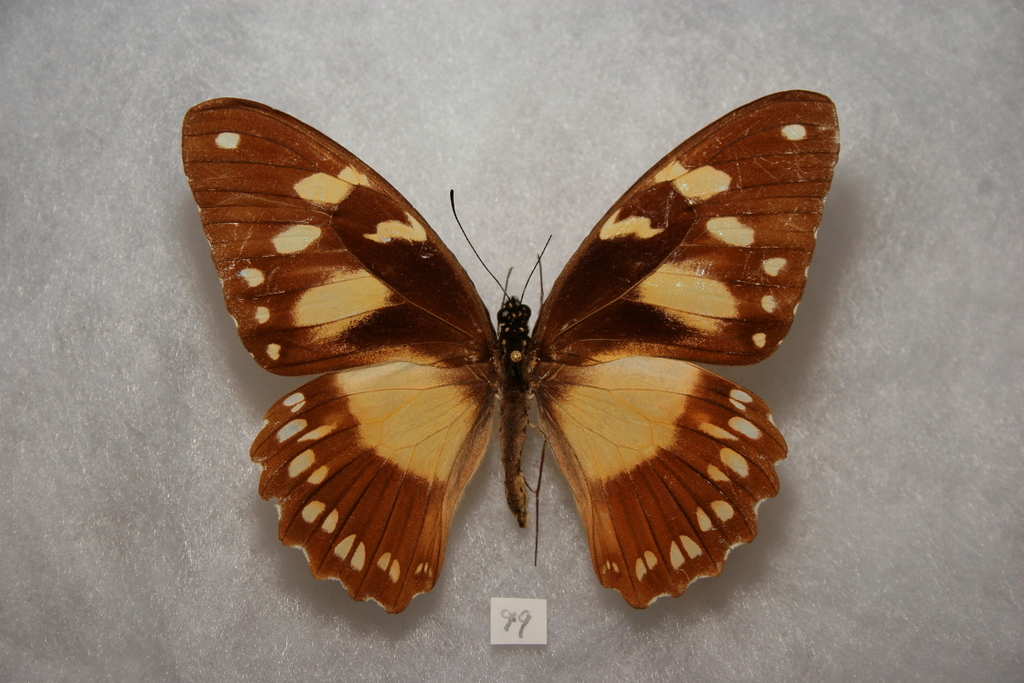
—observations
—countries
—peak records
Least ConcernConservation statusIUCN Red List categoriesLCNTVUENCREWEXLeast ConcernRed List categories, explained →
Diet & prey
- Floral nectar
- Citrus family foliage (caterpillars)
Predators
- Insectivorous birds
- Mantises
- Spiders
ThreatsLocalized deforestation and habitat degradation.
HabitatsTropical rainforests, gallery forests, moist woodland, and lush gardens.
Life span1–2 months as adults
Size / weightNot available
Classification
- FamilyPapilionidae
- SpeciesPapilio dardanus
Range data is not available yet.
Interaction riskLow
- Low
- Moderate
- High
- Very high
- Why interaction risk is low
- Safe to observe at a normal distance.
Responsible observation
- Observation: Look for males patrolling along forest trails and sunny clearings in early morning light.
- Host plants: Check native Teclea and wild citrus shrubs for smooth green caterpillars.
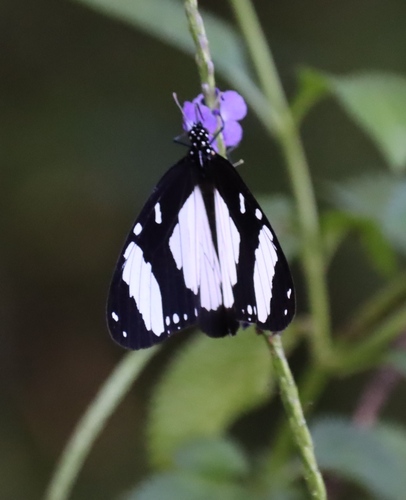
Toxic Model (c) Tony Rebelo, some rights reserved (CC BY-SA) · cc-by-sa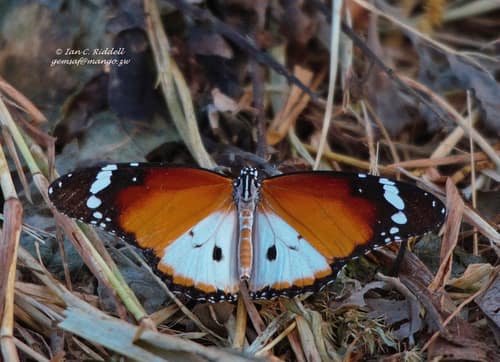
Toxic Model (c) i_c_riddell, some rights reserved (CC BY), uploaded by i_c_riddell · cc-by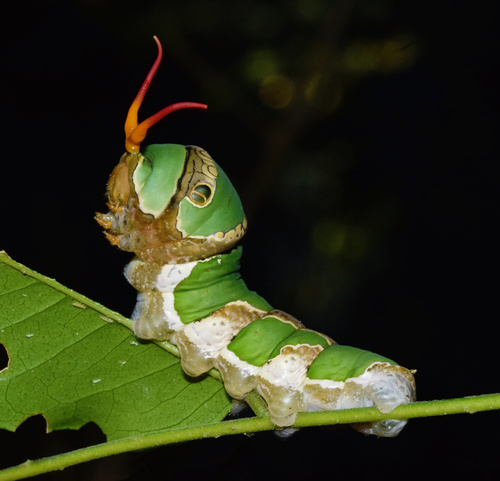
Close Relative (c) Sunčana Bradley, some rights reserved (CC BY), uploaded by Sunčana Bradley · cc-by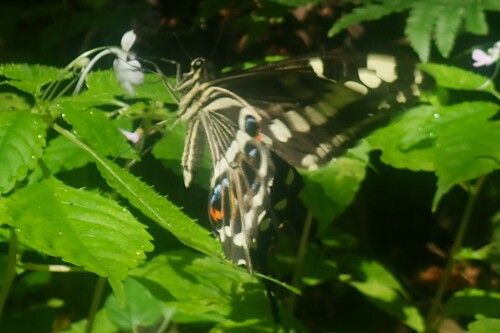
Close Relative no rights reserved · cc0
Help improve the field guideSomething wrong?
Checking your Fauna account…Report a name, category, or profile issue for review.