
Insect · GBIF taxon 1937758
Palamedes Swallowtail
Papilio palamedesAlso known as Laurel Swallowtail
Palamedes swallowtails glide low through southeastern coastal swamps and pine flatwoods, easily recognized by their massive wingspan and broad yellow band across dark brown wings. Caterpillars rely heavily on bay trees, weaving silk pads on leaf surfaces to rest during the day before feeding under cover of darkness. Declines in red bay trees caused by laurel wilt disease present an ongoing ecological challenge for coastal populations.
PollinatorSwallowtailWetland
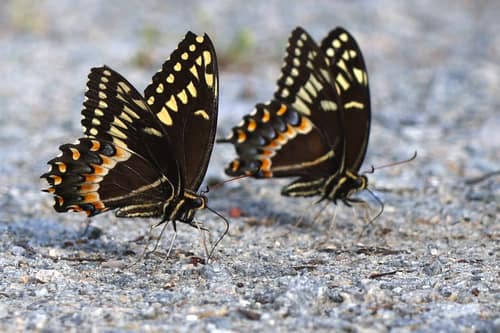
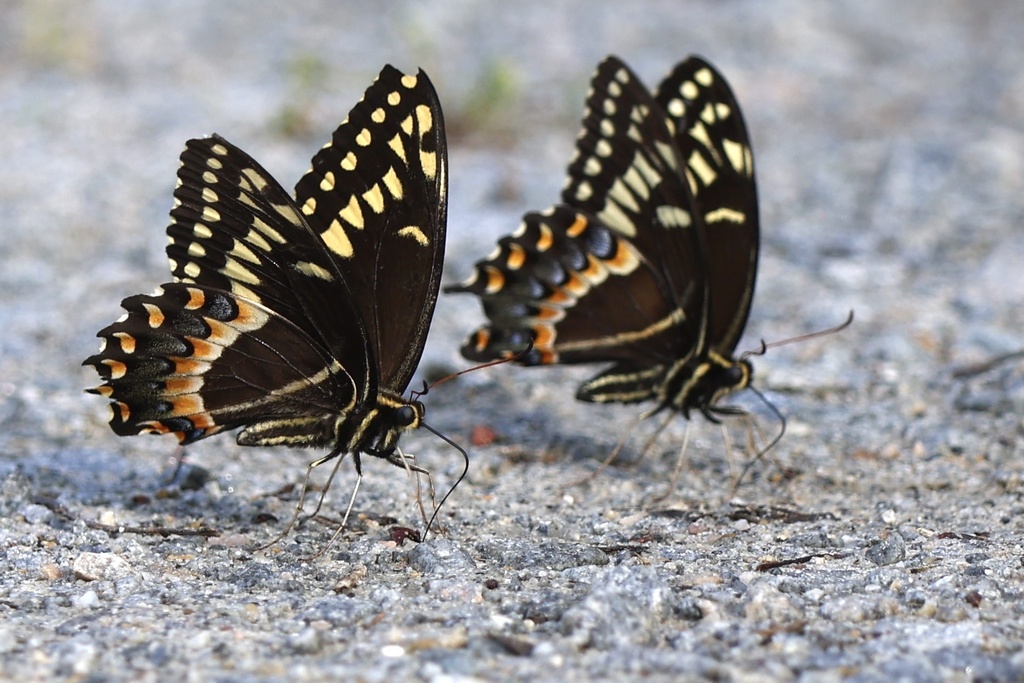
—observations
—countries
—peak records
Least ConcernConservation statusIUCN Red List categoriesLCNTVUENCREWEXLeast ConcernRed List categories, explained →
Diet & prey
- Flower Nectar
- Red Bay Foliage
- Swamp Bay Foliage
Predators
- Birds
- Spiders
- Dragonflies
ThreatsHabitat loss and laurel wilt disease affecting primary host trees
HabitatsCoastal swamps, wetlands, baygalls, and moist pine flatwoods
Life span1–2 months as adults; up to 1 year including overwintering chrysalis
Size / weightNot available
Classification
- FamilyPapilionidae
- SpeciesPapilio palamedes
Range data is not available yet.
Interaction riskLow
- Low
- Moderate
- High
- Very high
- Why interaction risk is low
- Safe to observe at a normal distance.
Responsible observation
- Observation: Search low along swamp trails and forest edges during sunny mornings when adults feed on blossoms.
- Host Tree Cues: Examine swamp bay leaves for folded silk pads indicating resting caterpillars.
- Paddling: Watch for adults flying across slow-moving coastal streams and blackwater rivers.
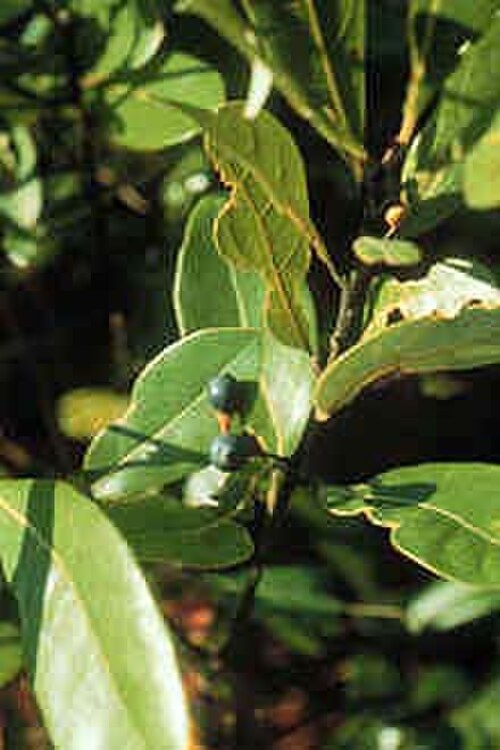
Host Plant USDA-NRCS PLANTS Database / Public domain · cc0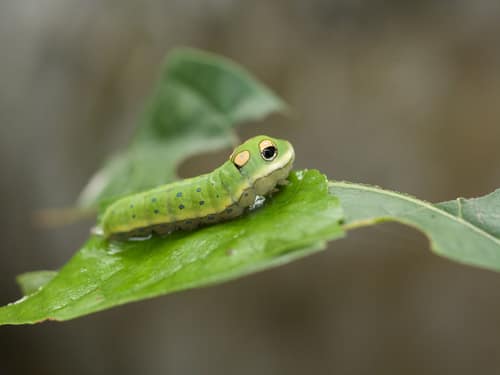
Close Relative "spicebush swallowtail caterpillar" by USFWS Headquarters is licensed under CC BY 2.0. To view a copy of this license, visit https://creativecommons.org/licenses/by/2.0/. · cc-by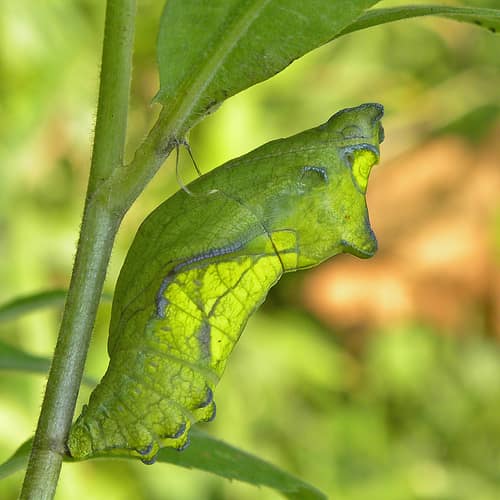
Same Family (c) M. Whitson, some rights reserved (CC BY), uploaded by M. Whitson · cc-by
Help improve the field guideSomething wrong?
Checking your Fauna account…Report a name, category, or profile issue for review.