
Insect
Pipevine Swallowtail
Battus philenorAlso known as Blue Swallowtail
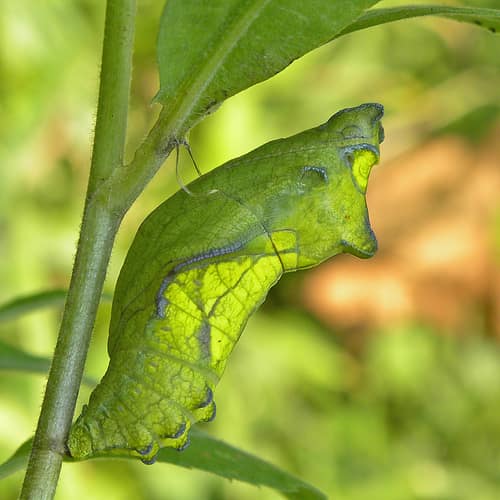
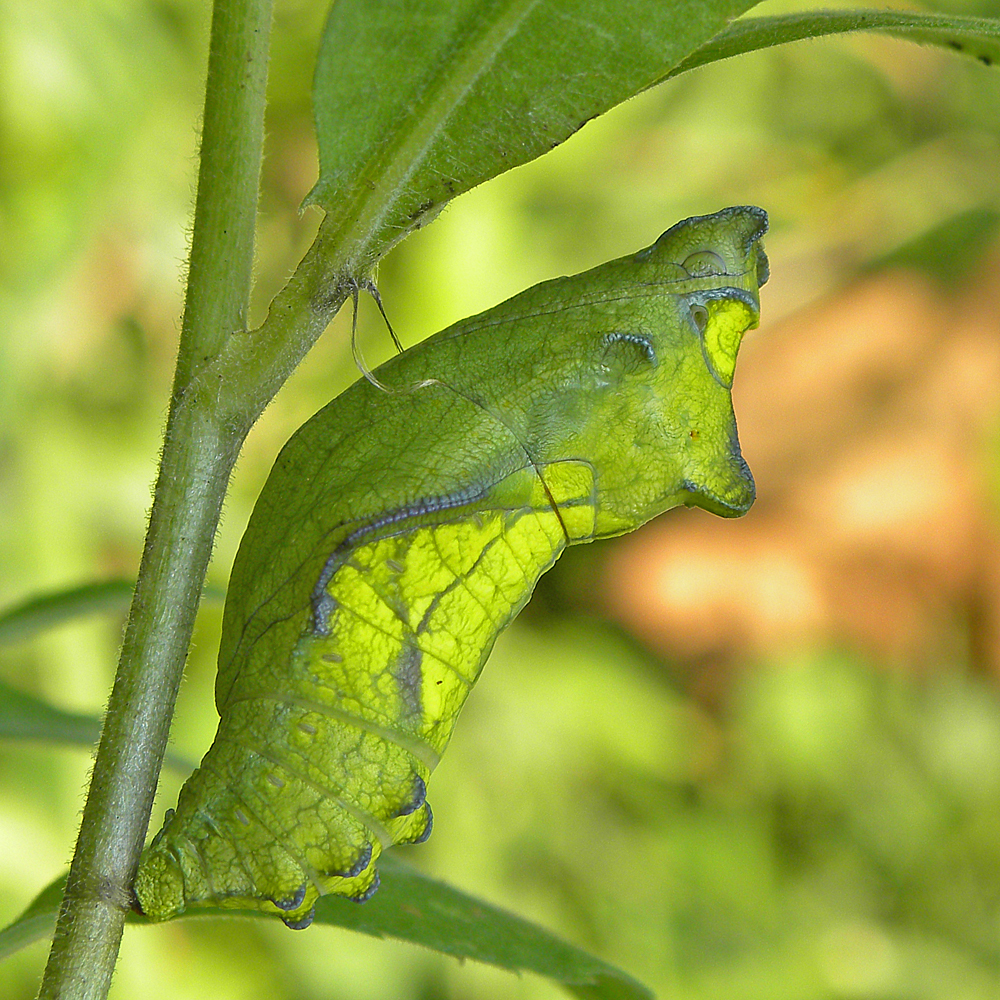
Pipevine Swallowtails flash iridescent blue across otherwise dark hindwings, with orange spots brightening the underside. Caterpillars feed on pipevines and retain defensive plant compounds that make them distasteful to many predators.
Iridescent ButterflyPipevine SpecialistChemical Defense
—observations
—countries
—peak records
Least ConcernConservation statusIUCN Red List categoriesLCNTVUENCREWEXLeast ConcernRed List categories, explained →
Diet & preyPipevine leaves, Flower nectar
Predators
- Spiders
- Praying mantises
- Parasitoid wasps
ThreatsHost-plant removal, insecticides, habitat fragmentation, and poorly timed mowing
HabitatsForest openings, riparian corridors, gardens, scrub, and sunny woodland edges
Life spanThe full cycle takes a season to about a year, while adults live for several weeks
Classification
- OrderLepidoptera
- FamilyPapilionidae
- GenusBattus
- SpeciesBattus philenor
Range data is not available yet.
Interaction riskLow
- Low
- Moderate
- High
- Very high
- Why interaction risk is low
- Leave eggs and caterpillars on their host vines and avoid pesticide use nearby.
Responsible observation
- Upperwing: Watch for a blue sheen on the dark hindwings.
- Underside: Look for a row of orange spots during slow nectaring visits.
Keep collecting in Fauna
Found in Collections
Ecosystem chain Pro
Mystic Meadows
Pipevine Swallowtail is found in this collection. Identify it in Fauna to fill this slot and continue your progress.
Unlock to track progress
Help improve the field guideSomething wrong?
Checking your Fauna account…Report a name, category, or profile issue for review.