
Plant · GBIF taxon 3034048
Redbay
Persea borboniaAlso known as Tisswood, Scrubbay, Shorebay, Swampbay
Redbay trees anchor maritime forests and coastal hammocks across the American South with dense, dark green foliage that remains vibrant year-round. Crushing the lance-shaped leaves releases a rich, spicy fragrance long valued as a traditional seasoning substitute for European bay leaves. Populations have faced severe decline due to laurel wilt disease, a fatal vascular fungus spread by an introduced ambrosia beetle.
EvergreenAromaticNative Tree
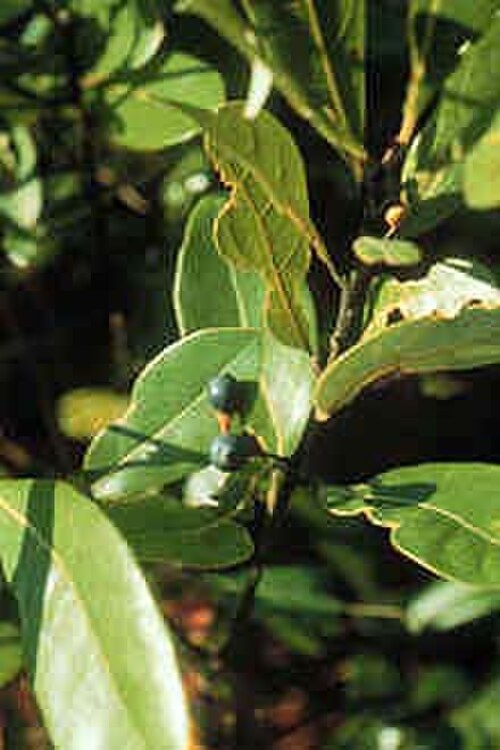
Licensed referenceUSDA-NRCS PLANTS Database / Public domain · cc0
—observations
—countries
—peak records
EndangeredConservation statusIUCN Red List categoriesLCNTVUENCREWEXEndangeredRed List categories, explained →
Diet & prey
- Sunlight
- Water
- Soil Nutrients
Predators
- Redbay Ambrosia Beetle
- Palamedes Swallowtail Caterpillar
- White-tailed Deer
ThreatsLaurel wilt disease, redbay ambrosia beetle, habitat conversion
HabitatsCoastal forests, maritime hammocks, swamp margins, scrublands
Life span50–100 years
Classification
- OrderLaurales
- FamilyLauraceae
- GenusPersea
- SpeciesPersea borbonia
Range data is not available yet.
Interaction riskLow
- Low
- Moderate
- High
- Very high
- Why interaction risk is low
- Wild berries have toxic look-alikes; never eat based on app identification alone.
- What to notice
- Look for dark evergreen foliage, bright red leaf stalks, and small blue-black berries in late summer.
- Support conservation
- Do not transport firewood or timber from affected areas to prevent spreading the invasive ambrosia beetle.
Responsible observation
- Aromatic Test: Gently crush a mature leaf to release a distinct, warm bay leaf scent.
- Disease Monitoring: Look for wilted red foliage and beetle boring holes along trunk bark.
- Habitat Spotting: Search in coastal maritime forests, shrub wetlands, and oak hammocks.
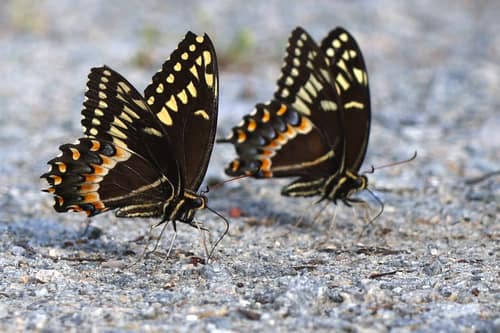
Host Dependent (c) Matt Felperin, some rights reserved (CC BY) · cc-by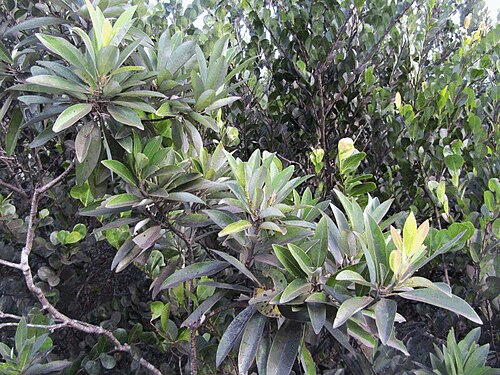
Close Relative Homer Edward Price / CC BY 2.0 · cc-by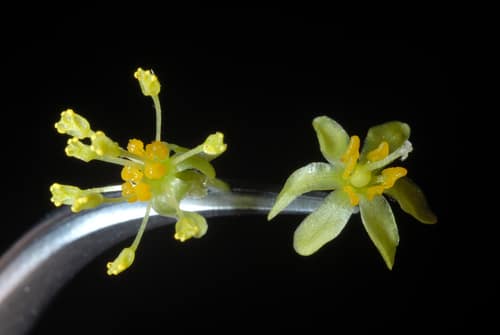
Family Relative (c) Douglas Goldman, some rights reserved (CC BY-SA), uploaded by Douglas Goldman · cc-by-sa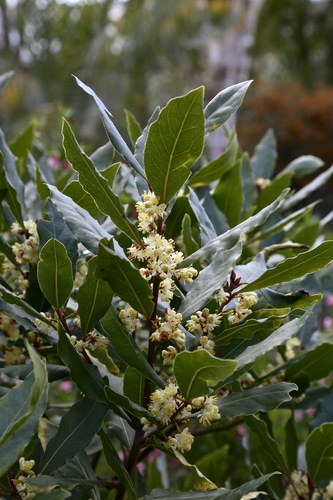
Family Relative (c) Dr. Alexey Yakovlev, some rights reserved (CC BY-SA) · cc-by-sa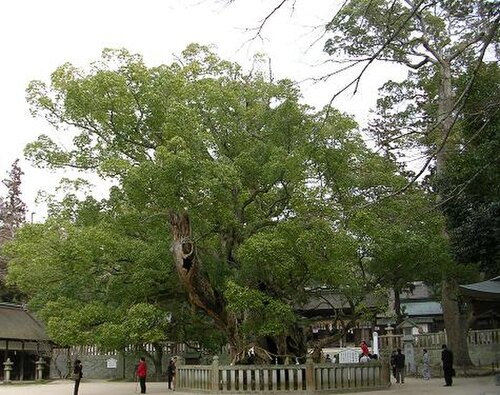
Invasive Relative Wikimedia Commons / CC BY-SA 3.0 · cc-by-sa
Help improve the field guideSomething wrong?
Checking your Fauna account…Report a name, category, or profile issue for review.