
Insect
Io Moth
Automeris ioAlso known as Peacock Moth, Bullseye Moth
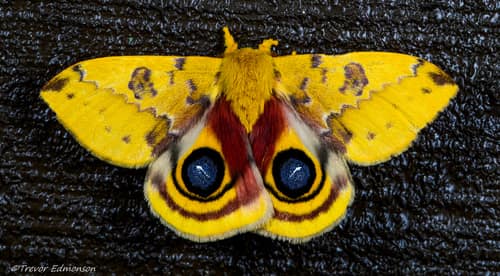
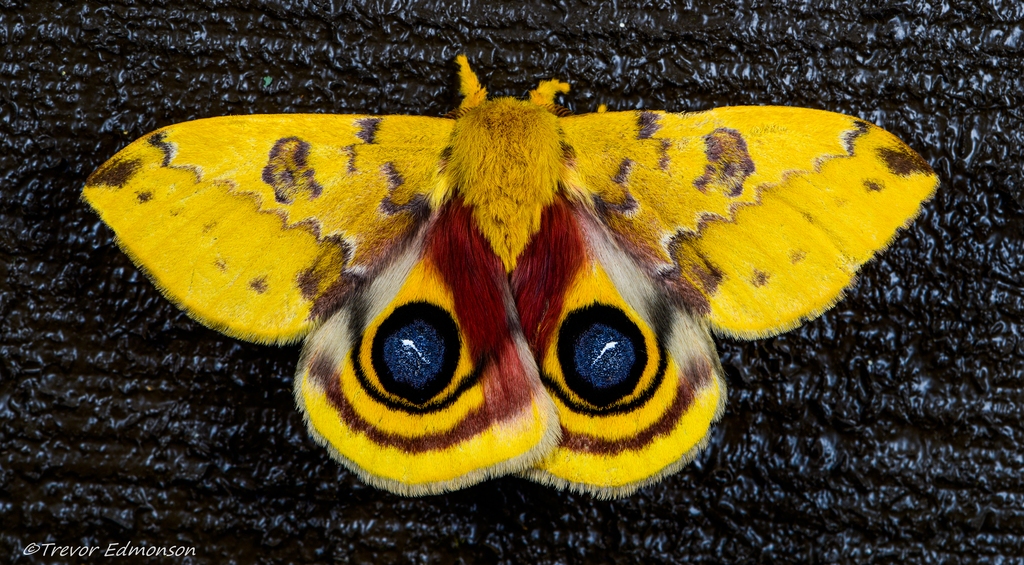
Io moths exhibit striking sexual dimorphism, with males featuring vibrant yellow forewings while females display deep purplish-brown tones. When threatened, adults flash large, iridescent blue and black eye-spots on their hindwings to startle potential predators. Green larvae are covered in branching, urticating spines that deliver a painful sting when touched.
NocturnalStinging SpinesColorful
—observations
—countries
—peak records
Not EvaluatedConservation statusIUCN Red List categoriesLCNTVUENCREWEXNot Evaluated — not placed on the risk ladderRed List categories, explained →
Diet & preyOak Leaves, Willow Leaves, Cherry Leaves
Predators
- Bats
- Songbirds
- Spiders
ThreatsLight pollution, habitat loss, and broad-spectrum pesticide use
HabitatsDeciduous forests, open woodlands, orchards, and suburban gardens
Life span1–2 weeks as adult; 1 year total life cycle
Classification
- OrderLepidoptera
- FamilySaturniidae
- GenusAutomeris
- SpeciesAutomeris io
Range data is not available yet.
Interaction riskLow
- Low
- Moderate
- High
- Very high
- Why interaction risk is low
- Caterpillars possess stinging spines that cause severe skin irritation; avoid touching larvae directly.
- Why it is dangerous
- Caterpillar bristles contain skin-irritating toxins that cause immediate burning, redness, and swelling upon skin contact.
- How to recognize a risky encounter
- Larvae are bright lime green with a distinct reddish-pink and white side stripe and tufts of spiky green spines.
- What to do
- Do not touch caterpillars; if stung, use adhesive tape to remove embedded spines and wash skin thoroughly.
Responsible observation
- Night Observing: Look for adults near porch lights and outdoor fixtures during warm summer nights.
- Larval Caution: Avoid touching green caterpillars marked with pink-and-white lateral stripes.
- Eye-Spot Flash: Observe resting moths undisturbed to witness their natural camouflage behavior.
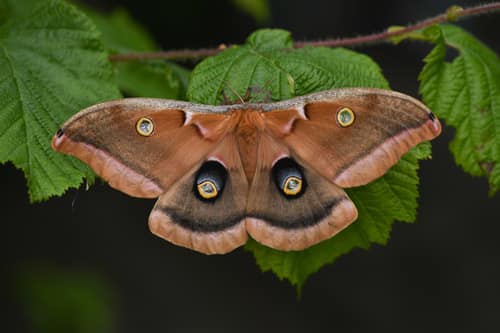
Family Relative (c) Trevor Van Loon, some rights reserved (CC BY), uploaded by Trevor Van Loon · cc-by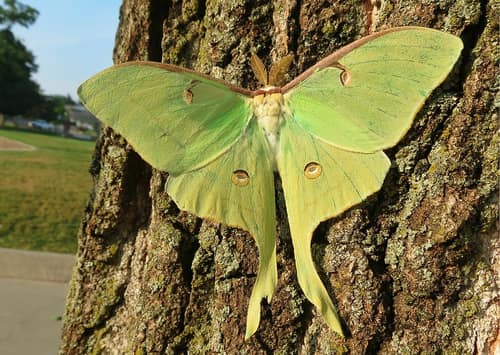
Family Relative "Lovely luna moth at the Neosho National Fish Hatchery" by U.S. Fish and Wildlife Service - Midwest Region is licensed under CC BY 2.0. To view a copy of this license, visit https://creativecommons.org/licenses/by/2.0/. · cc-by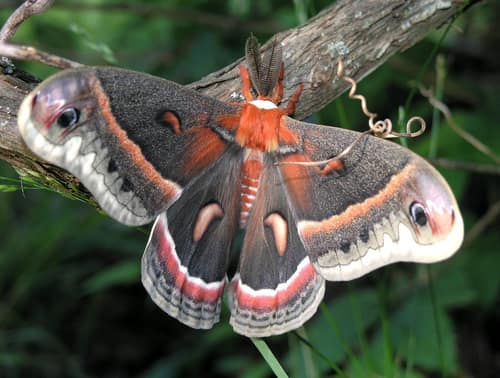
Family Relative "Cecropia Moth (Hyalophora cecropia)" by Slomoz is licensed under CC BY-SA 2.0. To view a copy of this license, visit https://creativecommons.org/licenses/by-sa/2.0/. · cc-by-sa
Keep collecting in Fauna
Found in Collections
Species set
Moonlight Marvels
Io Moth is found in this collection. Identify it in Fauna to fill this slot and continue your progress.
—/7
Help improve the field guideSomething wrong?
Checking your Fauna account…Report a name, category, or profile issue for review.