
Insect
Ceanothus Silk Moth
Hyalophora euryalusAlso known as Ceanothus Silkmoth, California Silk Moth
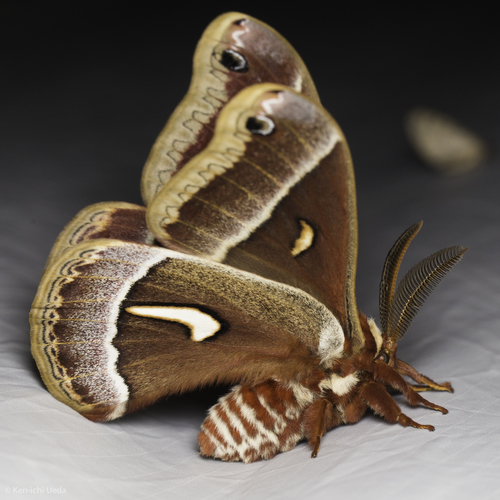
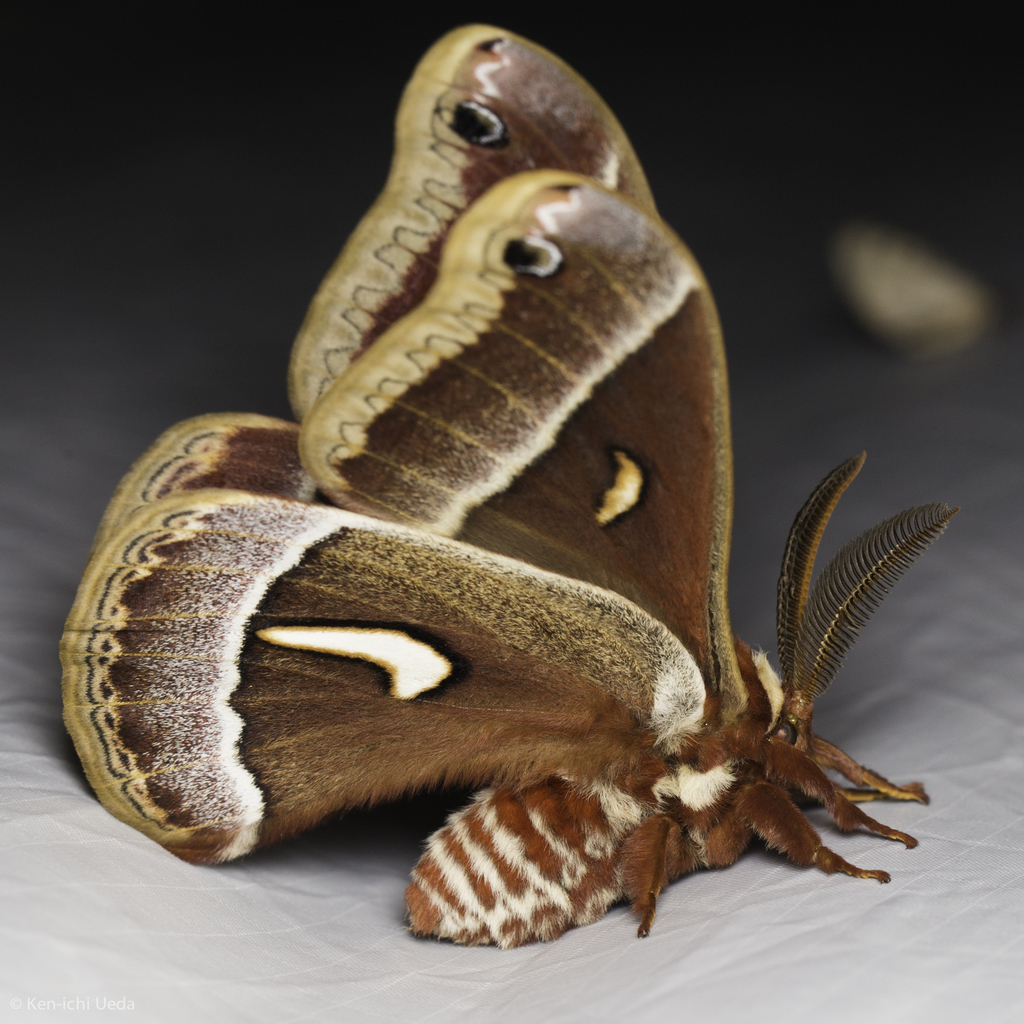
Ceanothus silk moths rank among the largest native moths in western North America, featuring rich reddish-brown wings adorned with crescent spots and a distinct white band. Adults emerge in spring with non-functional mouthparts, relying entirely on stored energy to find mates during their brief two-week lives. Large green caterpillars feed on chaparral shrubs before spinning tough silk cocoons anchored directly to host plant stems.
NocturnalLargeSilk Moth
—observations
—countries
—peak records
Not EvaluatedConservation statusIUCN Red List categoriesLCNTVUENCREWEXNot Evaluated — not placed on the risk ladderRed List categories, explained →
Diet & preyCeanothus foliage, Manzanita leaves, Willow foliage
Predators
- Bats
- Insectivorous Birds
- Rodents
ThreatsHabitat loss, light pollution, pesticide use
HabitatsChaparral, coastal sage scrub, coniferous forests, oak woodlands
Life span7–14 days as adults; 1 year total lifecycle
Classification
- FamilySaturniidae
- SpeciesHyalophora euryalus
Range data is not available yet.
Interaction riskLow
- Low
- Moderate
- High
- Very high
- Why interaction risk is low
- Safe to observe at a normal distance.
Responsible observation
- Night Lighting: Attract adults to porch lights or blacklight setups during spring evenings.
- Winter Searching: Scan Ceanothus and manzanita stems in winter for attached silk cocoons.
- Handle with Care: Avoid touching delicate wing scales if adults land on hands or clothing.
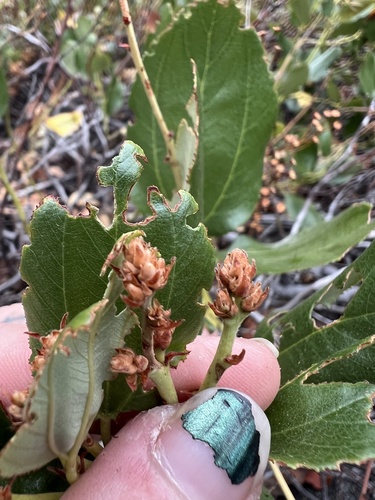
Host Plant (c) Aiva Noringseth, some rights reserved (CC BY) · cc-by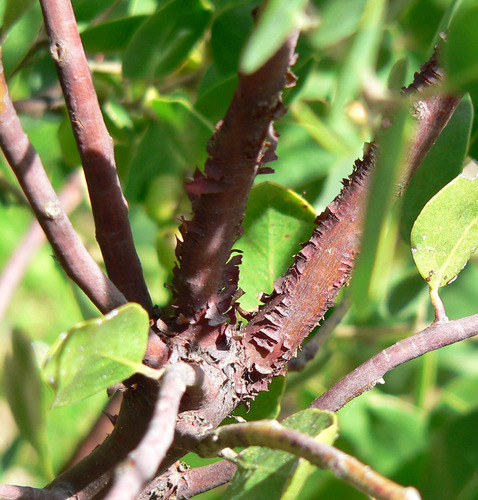
Host Plant (c) Stan Shebs, some rights reserved (CC BY-SA) · cc-by-sa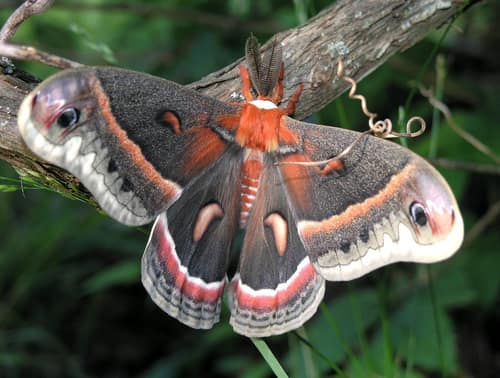
Close Relative "Cecropia Moth (Hyalophora cecropia)" by Slomoz is licensed under CC BY-SA 2.0. To view a copy of this license, visit https://creativecommons.org/licenses/by-sa/2.0/. · cc-by-sa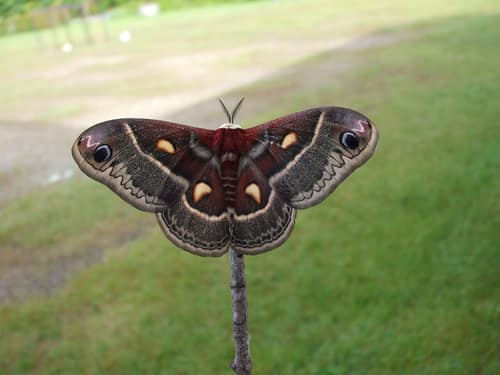
Close Relative Lavaltrois / CC BY-SA 3.0 · cc-by-sa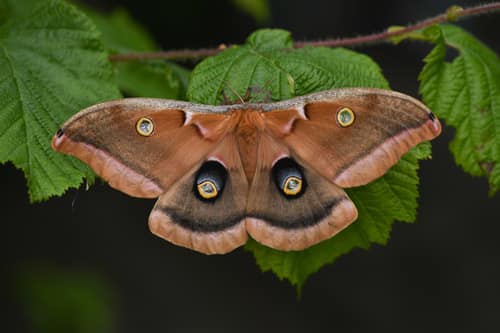
Co-occurring Relative (c) Trevor Van Loon, some rights reserved (CC BY), uploaded by Trevor Van Loon · cc-by
Help improve the field guideSomething wrong?
Checking your Fauna account…Report a name, category, or profile issue for review.