
Insect · GBIF taxon 1862401
Oleander Hawkmoth
Daphnis neriiAlso known as Oleander Hawk-Moth, Army Green Moth
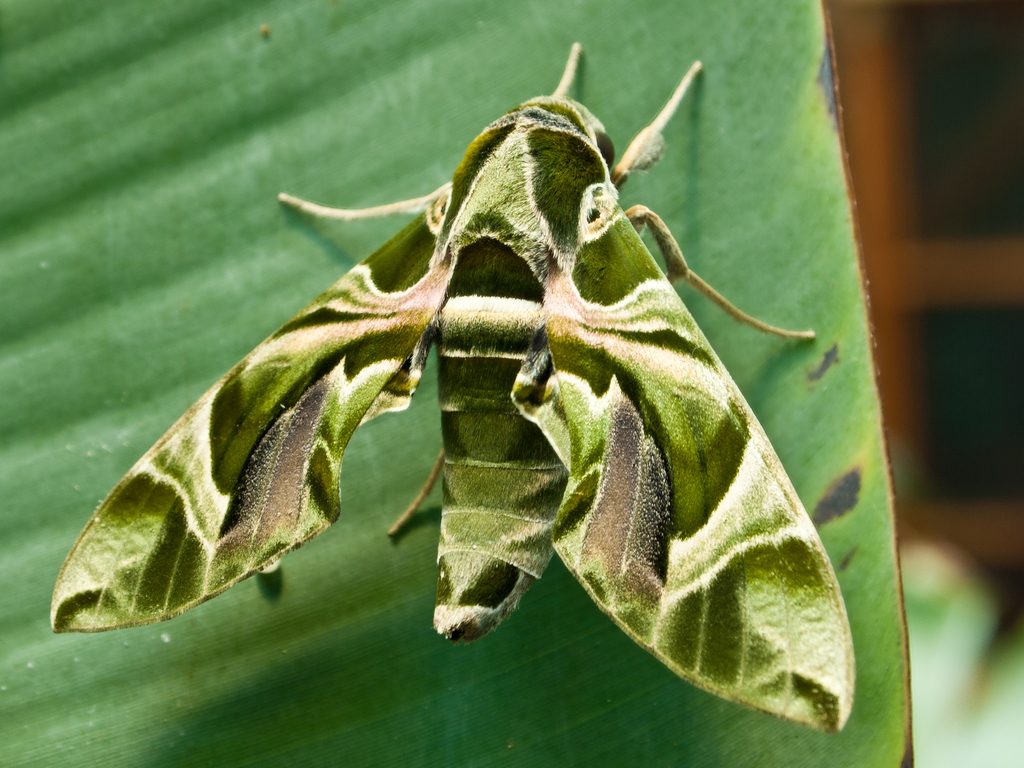
Oleander Hawkmoths exhibit a striking camouflage pattern of swirling olive green, cream, and pink bandings that mimic dappled light through tropical foliage. Adults hover motionless in midair on powerful wings while unfurling long proboscises to sip nectar from night-blooming flowers. The bright green caterpillars bear large blue eye-spots to deter predators while sequestering toxins from their host plants.
NocturnalMigratoryPollinator
—observations
—countries
—peak records
Not EvaluatedConservation statusIUCN Red List categoriesLCNTVUENCREWEXNot Evaluated — not placed on the risk ladderRed List categories, explained →
Diet & prey
- Oleander Nectar
- Jasmine Nectar
- Honeysuckle Nectar
Predators
- Bats
- Insectivorous Birds
- Spiders
ThreatsPesticide application in urban landscaping and severe cold snaps.
HabitatsSubtropical shrublands, urban gardens, warm river valleys, and parks.
Life span3 to 7 weeks as an adult.
Size / weightNot available
Classification
- FamilySphingidae
- SpeciesDaphnis nerii
Range data is not available yet.
Interaction riskHigh
- Low
- Moderate
- High
- Very high
- Why interaction risk is high
- Caterpillars accumulate cardiac glycosides from host plants; keep away from pets and do not ingest.
- Why it is dangerous
- Caterpillars feed on toxic oleander plants and concentrate cardiac glycosides, which cause severe vomiting and heart arrhythmia if ingested.
- How to recognize a risky encounter
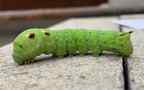
- Look for large green or pinkish caterpillars with prominent blue eye-spots behind the head and a small yellow tail horn.
- What to do
- Observe without touching, and keep dogs or cats away from caterpillars feeding on garden oleander.
Responsible observation
- Evening Spotting: Look around fragrant night-blooming flowers like jasmine or petunias at dusk when adult moths actively feed.
- Caterpillar Checks: Inspect oleander shrubs for defoliated branches and large green caterpillars bearing bright blue eye-spots.
- Light Attraction: Watch near outdoor porch lights or street lamps on warm summer nights.
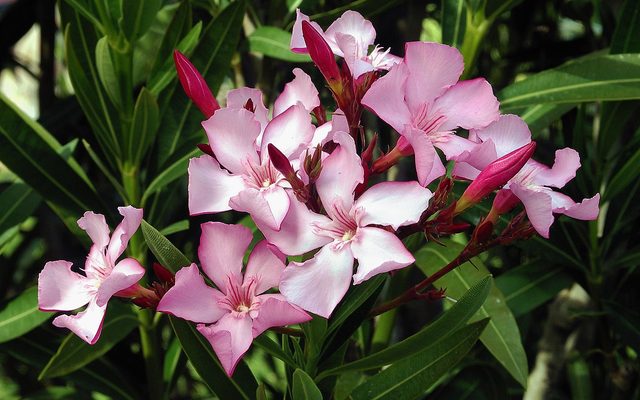
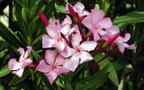
Primary Host Plant Alvesgaspar / CC BY 2.5 · cc-by
Nectar Source 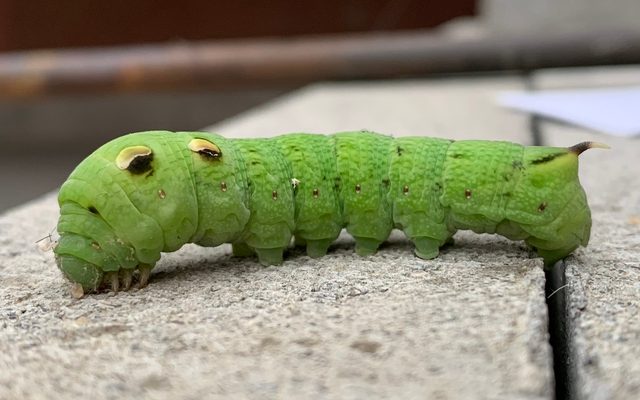
Close Relative (c) Azamat A. Totikov, some rights reserved (CC BY), uploaded by Azamat A. Totikov · cc-by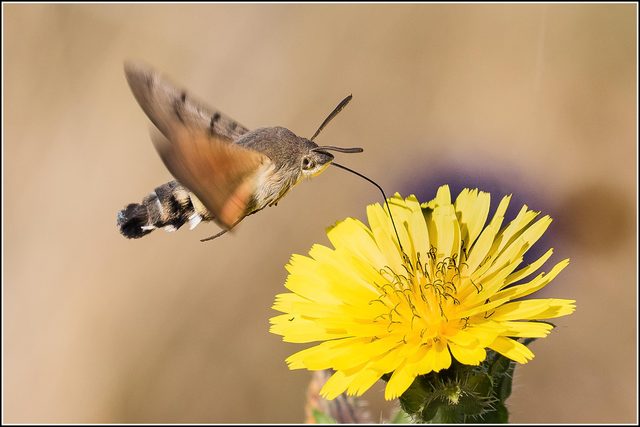
Close Relative (c) Smudge 9000, some rights reserved (CC BY-SA) · cc-by-sa
Help improve the field guideSomething wrong?
Checking your Fauna account…Report a name, category, or profile issue for review.