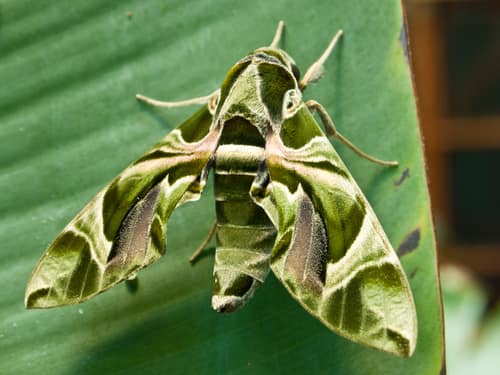
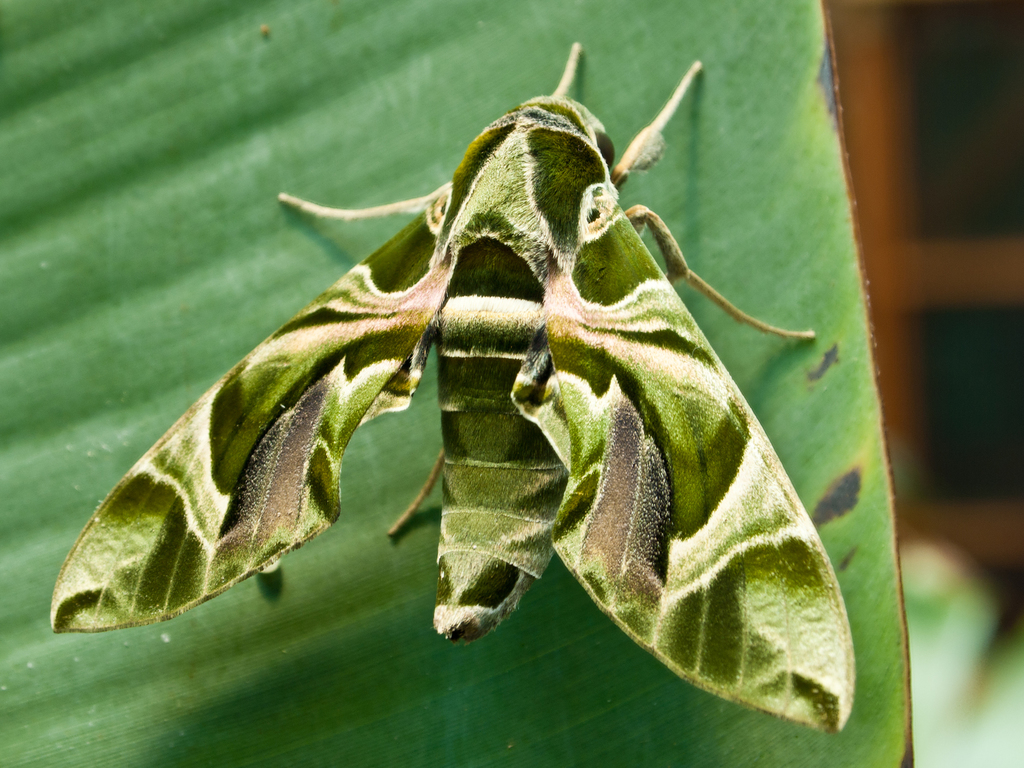
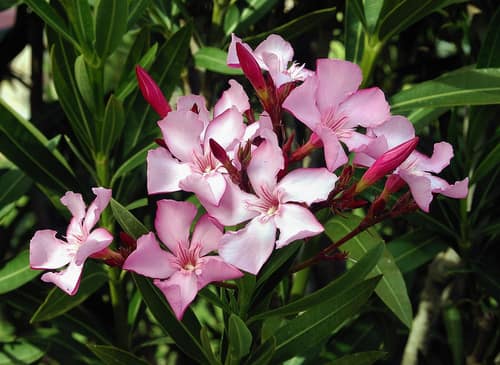
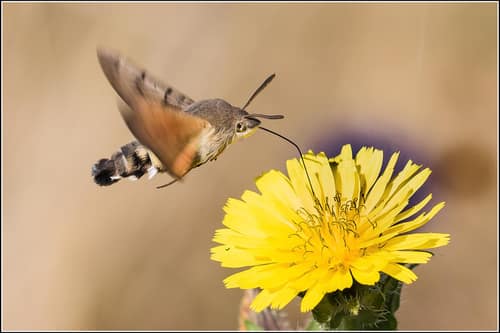
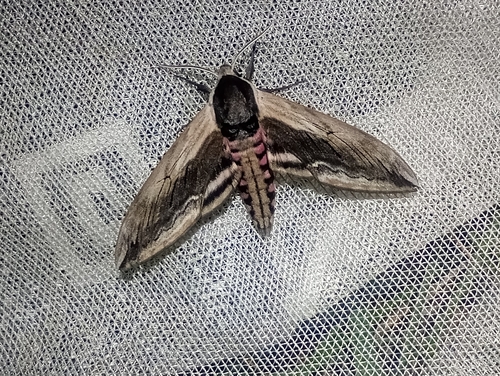
With intricate olive, cream, and pink aerodynamic patterning, Oleander Hawkmoths are master navigators capable of transcontinental migratory flights across Africa, Asia, and southern Europe. Caterpillars feed voraciously on toxic oleander leaves, sequestering lethal cardenolides to defend against predators while sporting large, deceptive false eyespots on their thorax. Adults emerge at dusk to hover like hummingbirds over sweet-scented night-blooming flowers, uncoiling remarkably long proboscises to feed on rich nectar.
ThreatsPesticide application on ornamental host plants, artificial night lighting, and severe cold snaps
HabitatsWarm scrublands, coastal gardens, river valleys, and suburban parks
Life spanAdults live 1–3 weeks; full lifecycle spans 6–10 weeks
Size / weightNot available
Classification
OrderLepidoptera
FamilySphingidae
GenusDaphnis
SpeciesDaphnis nerii
Range & activity
Range data is not available yet.
Safe observation
Interaction riskHigh
Low
Moderate
High
Very high
Why interaction risk is high
Safe to observe at a normal distance.
Responsible observation
Light Sheet Monitoring: Hang a white sheet illuminated by UV or mercury vapor lamps after dusk to attract night-flying adults.
Inspect Host Foliage: Search the undersides of oleander leaves by day for hefty, bright green or brown caterpillars displaying prominent blue eyespots.
Dusk Gardening: Plant fragrant, deep-throated flowers like honeysuckles and jasmine to view hovering adults feeding at twilight.