
Insect
Brown-belted Bumble Bee
Bombus griseocollisAlso known as Brown-Belted Bumblebee
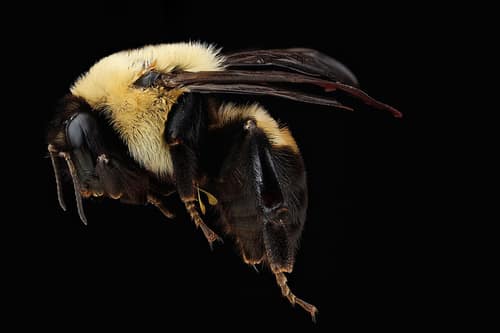
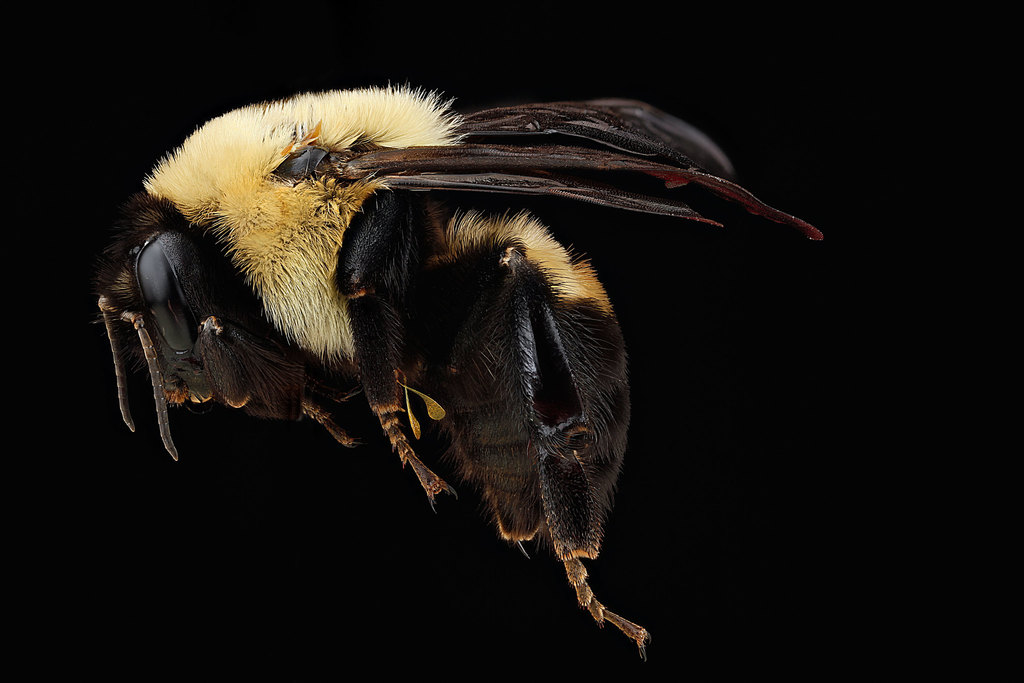
Brown-belted bumble bees emerge early in spring, when fertile queens construct nests in abandoned rodent burrows or dense grass tussocks. Workers remain active throughout summer, identifiable by a brownish-yellow band across the front half of the second abdominal segment. These adaptable native pollinators visit a vast array of prairie wildflowers and garden blooms, performing vital buzz pollination for native ecosystems.
PollinatorNative BeeSocial Insect
—observations
—countries
—peak records
Least ConcernConservation statusIUCN Red List categoriesLCNTVUENCREWEXLeast ConcernRed List categories, explained →
Diet & preyNectar, Pollen
Predators
- Crab spiders
- Robber flies
- Kingbirds
ThreatsPesticide exposure, habitat loss, pathogen spillover from commercial bees
HabitatsMeadows, prairies, agricultural fields, suburban gardens, open woods
Life spanQueens live ~1 year; workers live 1–2 months
Classification
- OrderHymenoptera
- FamilyApidae
- GenusBombus
- SpeciesBombus griseocollis
Range data is not available yet.
Interaction riskVery high
- Low
- Moderate
- High
- Very high
- Why interaction risk is very high
- Females can sting if squeezed or defending their nest; observe foraging individuals calmly from a safe distance.
- Why it is dangerous
- Females possess smooth stings that inject proteinaceous venom, causing localized swelling and pain or severe anaphylaxis in sensitized individuals.
- How to recognize a risky encounter
- Look for a yellow thorax, black abdomen, and a faint brown tint on the front half of the second abdominal segment.
- What to do
- Give active nests a wide berth, and refrain from swatting or grabbing foraging bees on flowers.
Responsible observation
- Garden Habitats: Plant native perennial wildflowers like milkweeds and coneflowers to support foraging colonies from spring to fall.
- Nesting Sites: Leave undisturbed patches of leaf litter, tall grass, or brush to provide queen hibernation and nesting cover.
- Safe Viewing: Watch foragers closely on blooms, as foraging workers rarely sting unless directly handled or crushed.
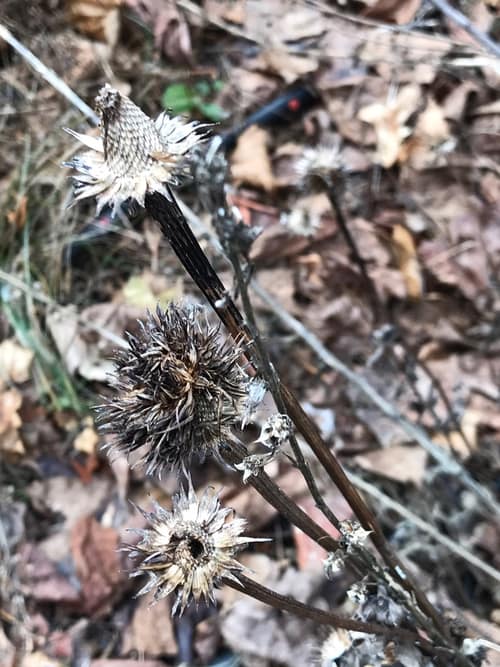
Host Plant (c) Sandy Wolkenberg, some rights reserved (CC BY), uploaded by Sandy Wolkenberg · cc-by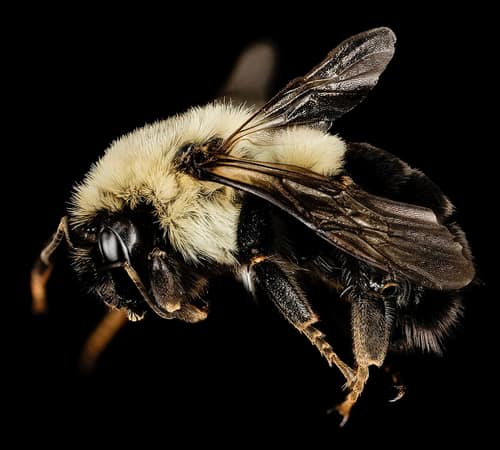
Close Relative USGS Bee Inventory and Monitoring Lab from Beltsville, Maryland, USA / Public domain · cc0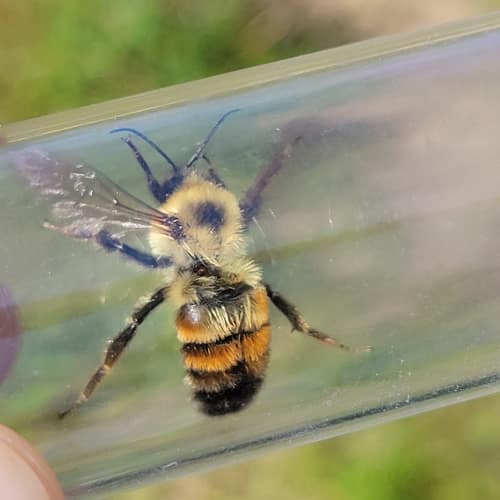
Close Relative (c) Matt Pelikan, some rights reserved (CC BY), uploaded by Matt Pelikan · cc-by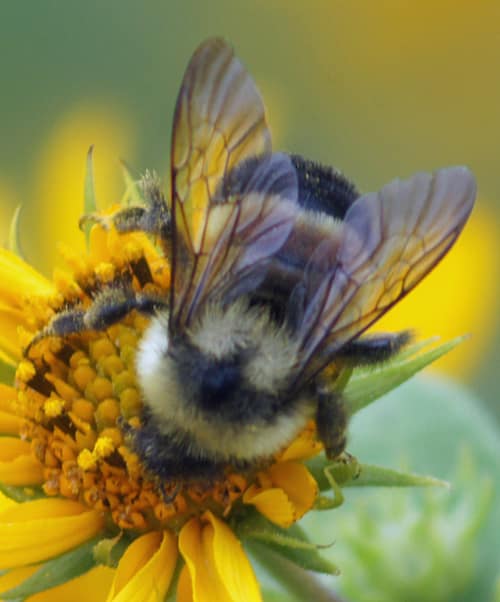
Declining Relative (c) psweet, some rights reserved (CC BY-SA), uploaded by psweet · cc-by-sa
Help improve the field guideSomething wrong?
Checking your Fauna account…Report a name, category, or profile issue for review.