
Insect · GBIF taxon 1340312
Lemon Cuckoo Bumble Bee
Bombus citrinusAlso known as Lemon Cuckoo Bumblebee
Lemon cuckoo bumble bees are obligate nest parasites that depend entirely on other bumble bee species to raise their young. Females emerge in spring to seek out established underground nests, where they displace or kill the resident queen and compel the host workers to rear their reproductive offspring. Easily recognized by their vivid lemon-yellow thoracic hairs and shiny, smooth hind legs lacking pollen baskets, these striking insects forage on summer wildflowers for personal energy.
ParasiticPollinatorStriking
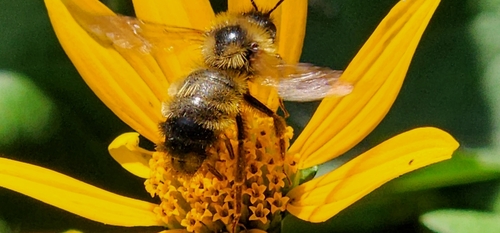
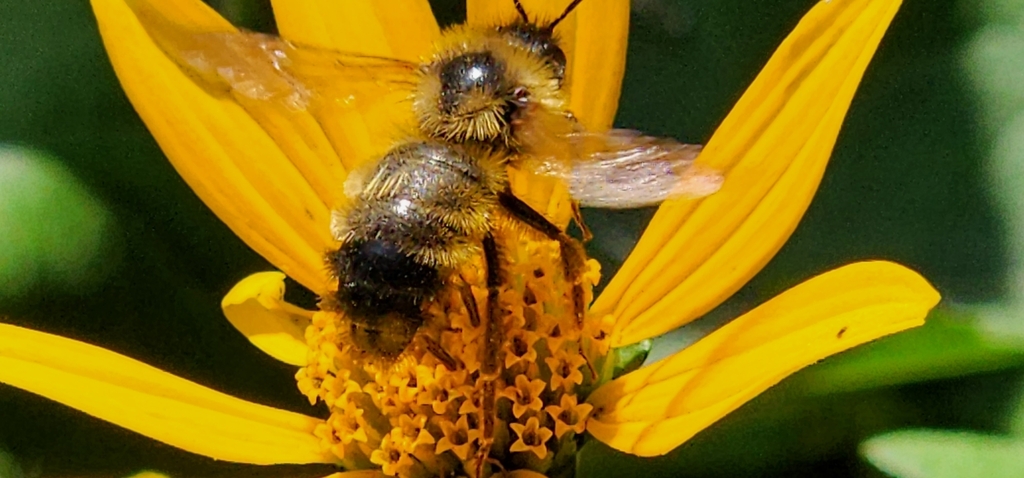
—observations
—countries
—peak records
Least ConcernConservation statusIUCN Red List categoriesLCNTVUENCREWEXLeast ConcernRed List categories, explained →
Diet & prey
- Floral Nectar
Predators
- Crab Spiders
- Robber Flies
- Insectivorous Birds
ThreatsDeclines in host bumble bee populations, habitat fragmentation, and pesticide exposure
HabitatsDeciduous woodlands, forest clearings, meadows, and gardens
Life spanUp to 1 year for overwintering females
Classification
- FamilyApidae
- SpeciesBombus citrinus
Range data is not available yet.
Interaction riskLow
- Low
- Moderate
- High
- Very high
- Why interaction risk is low
- Females can sting defensively if handled; observe quietly as they visit flowers.
Responsible observation
- Examine Hind Legs: Look for smooth, hairless hind legs without pollen baskets to identify cuckoo bees.
- Spring Flower Watching: Search early blooming woodland flowers where queens feed before invading host colonies.
- Support Host Species: Plant diverse native blooms to sustain the host bumble bee populations this species requires.
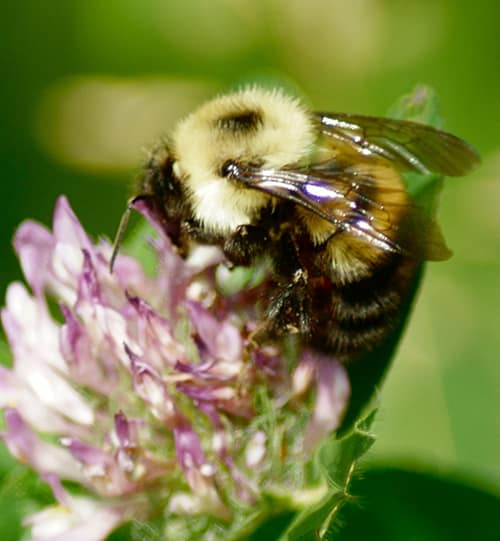
Primary Host (c) psweet, some rights reserved (CC BY-SA), uploaded by psweet · cc-by-sa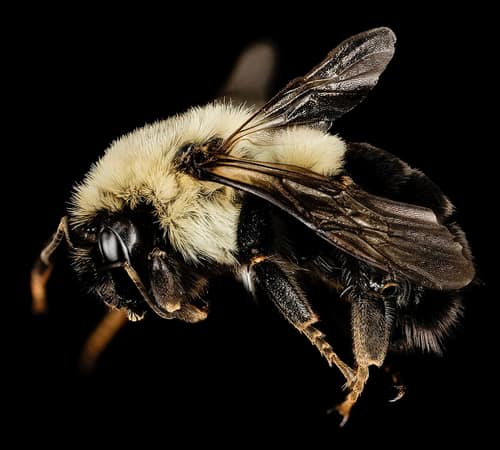
Secondary Host USGS Bee Inventory and Monitoring Lab from Beltsville, Maryland, USA / Public domain · cc0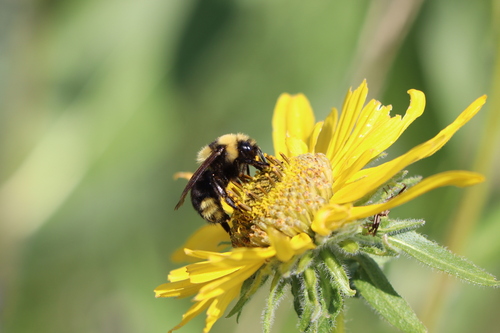
Close Relative no rights reserved · cc0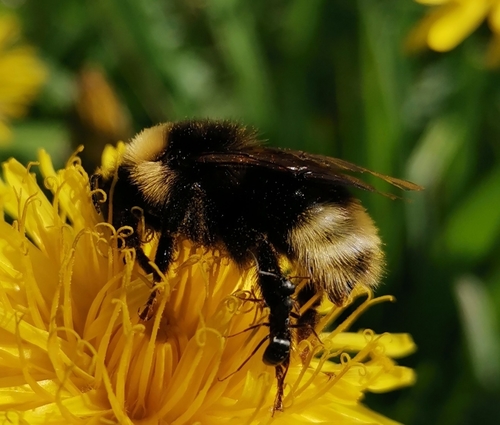
Close Relative no rights reserved, uploaded by Ilkka Kaita-aho · cc0
Help improve the field guideSomething wrong?
Checking your Fauna account…Report a name, category, or profile issue for review.