
Insect · GBIF taxon 1332053
Parancistrocerus fulvipes
Parancistrocerus fulvipesFemales of this solitary hunting wasp provision their offspring with paralyzed microlepidopteran caterpillars, packing multiple larvae into a sheltered cavity before suspending a single egg from the ceiling. They frequently repurpose hollow stems, abandoned mud dauber cells, or subterranean bee burrows, sealing each finished compartment with a plug of chewed earth. Adults are gentle pollinators that spend warm days sipping nectar from summer wildflowers while keeping herbivorous moth populations in check.
SolitaryPredatoryPollinator

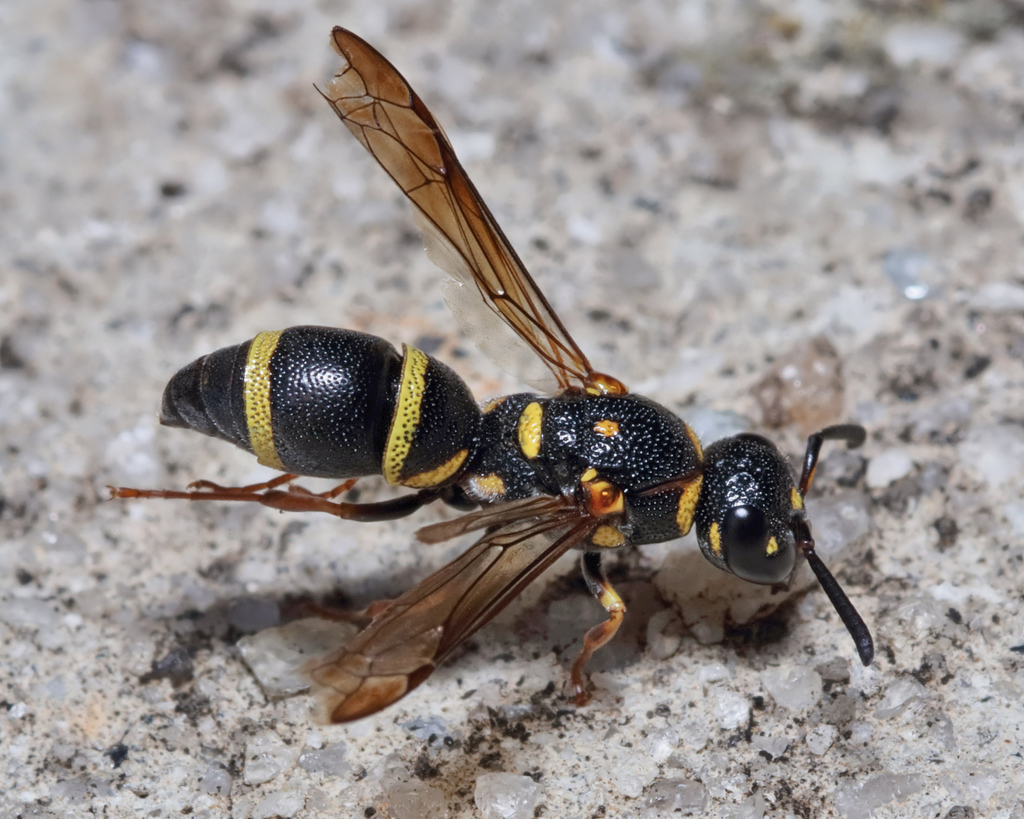
—observations
—countries
—peak records
Not EvaluatedConservation statusIUCN Red List categoriesLCNTVUENCREWEXNot Evaluated — not placed on the risk ladderRed List categories, explained →
Diet & prey
- Leafroller caterpillars
- Snout moth caterpillars
- Tuft moth caterpillars
Predators
- Songbirds
- Spiders
- Robber flies
ThreatsPesticide application, removal of deadwood, and loss of flowering foraging grounds
HabitatsDeciduous woodland edges, meadows, old fields, and suburban gardens
Life span1 year
Classification
- FamilyEumenidae
- SpeciesParancistrocerus fulvipes
Range data is not available yet.
Interaction riskLow
- Low
- Moderate
- High
- Very high
- Why interaction risk is low
- Docile and solitary; safe to observe at a normal distance.
Responsible observation
- Nest Watching: Inspect hollow elderberry stems or wooden bee hotels in midsummer to spot females carrying mud.
- Flower Patches: Scan clusters of goldenrod, mountain mint, and wild carrot on warm sunny afternoons.

Competitor (c) Nathan Walther, some rights reserved (CC BY), uploaded by Nathan Walther · cc-by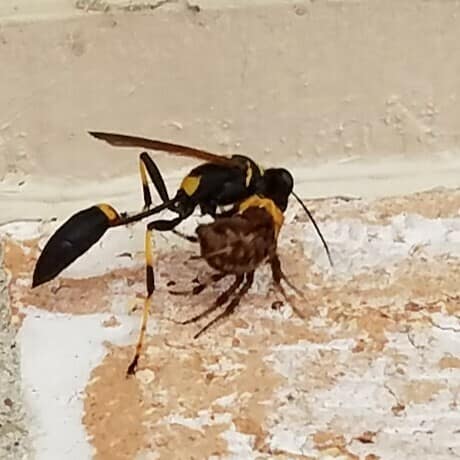
Nest Provider (c) dhasdf, some rights reserved (CC BY) · cc-by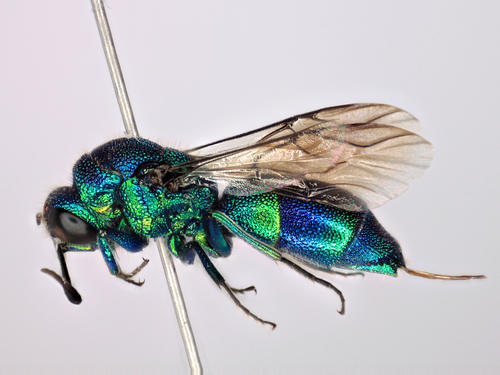
Parasite (c) Chris Ratzlaff, some rights reserved (CC BY), uploaded by Chris Ratzlaff · cc-by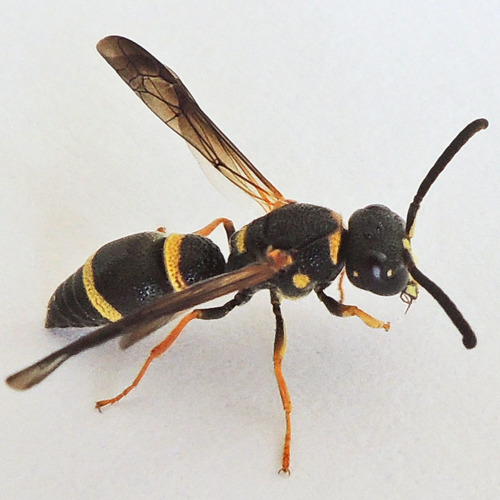
Close Relative (c) Bill Keim, some rights reserved (CC BY) · cc-by
Help improve the field guideSomething wrong?
Checking your Fauna account…Report a name, category, or profile issue for review.