
Fungus · GBIF taxon 12258431
Ringless Honey Mushroom
Desarmillaria caespitosaAlso known as Ringless Honey Fungus
Ringless honey mushrooms grow in dense, explosive clusters around the bases, stumps, and buried roots of broadleaf trees, particularly oaks. Unlike typical honey mushrooms, this species completely lacks a ring or collar on its stem, featuring smooth, yellowish-tan to cinnamon-brown caps with fine central scales. Underneath the forest floor, its extensive mycelial network secretes powerful enzymes that decompose heartwood and root systems of weakened trees.
FungusCluster-FormingSaprotrophic
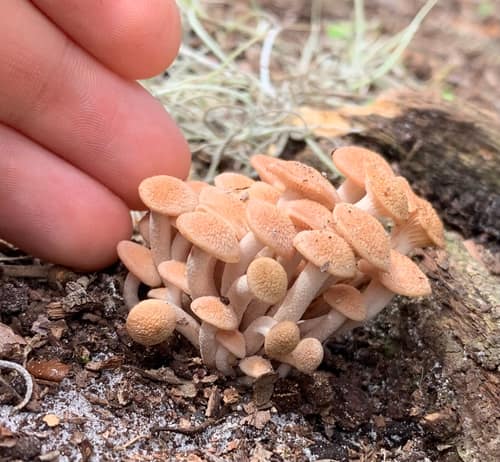
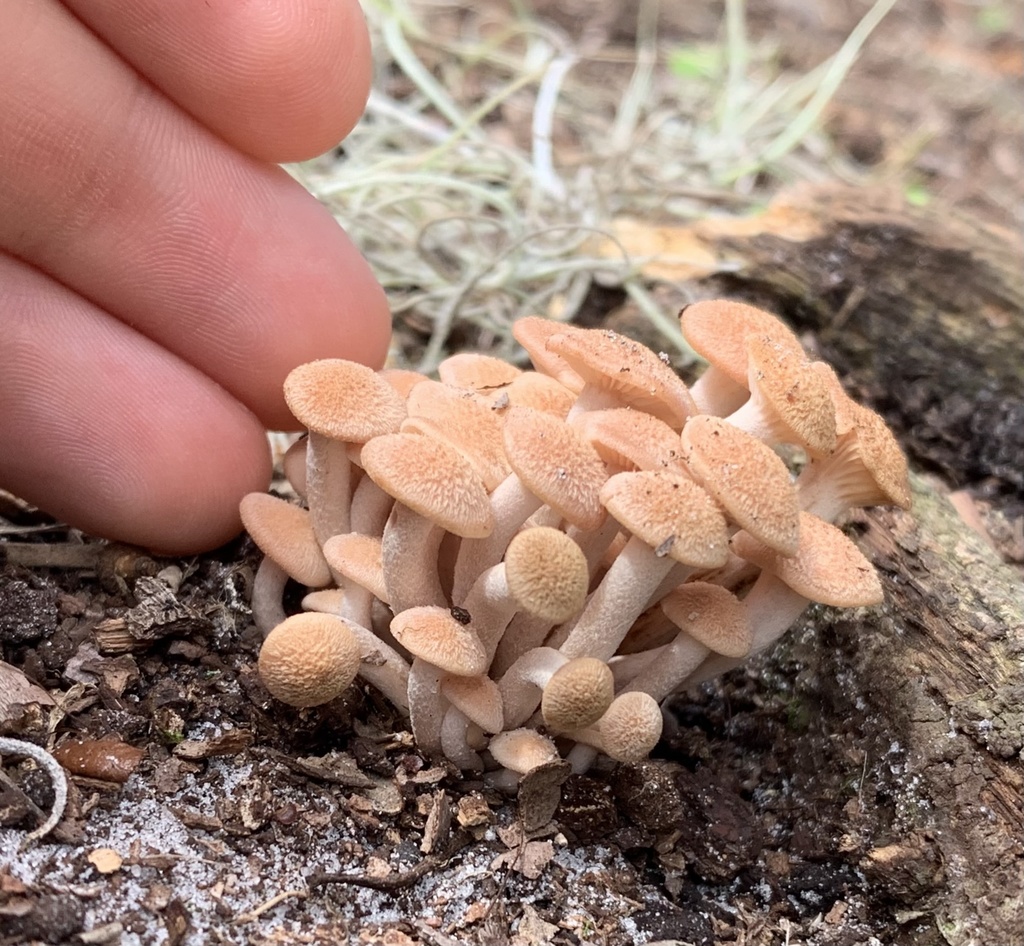
—observations
—countries
—peak records
Not EvaluatedConservation statusIUCN Red List categoriesLCNTVUENCREWEXNot Evaluated — not placed on the risk ladderRed List categories, explained →
Diet & prey
- Decaying wood
- Organic cellulose
- Lignin
Predators
- Fungal gnats
- Beetles
- Slugs
ThreatsTree removal and forest clearing
HabitatsHardwood forests, orchards, parks, and suburban lawns near decaying tree roots
Life spanIndividual mushrooms last 1–2 weeks; fungal colony lives for decades
Size / weightNot available
Classification
- OrderAgaricales
- FamilyPhysalacriaceae
- GenusDesarmillaria
- SpeciesDesarmillaria caespitosa
Range data is not available yet.
Interaction riskLow
- Low
- Moderate
- High
- Very high
- Why interaction risk is low
- Many edible mushrooms have toxic look-alikes; never eat wild fungi based on app identification alone.
Responsible observation
- Check the Stem: Look closely at the upper stem to confirm the complete absence of a membranous ring.
- Inspect the Base: Observe how individual stems fuse together at the base in dense, radiating clusters.
- Spore Print: Collect spores on dark paper to verify a white spore print.
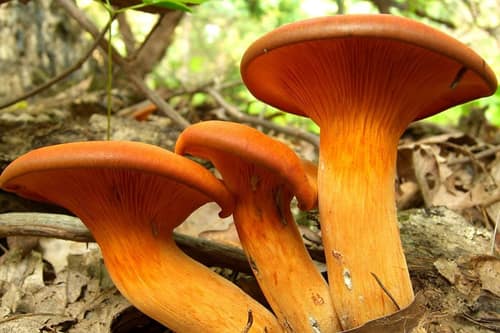
Toxic Look-alike (c) Jason Hollinger, some rights reserved (CC BY) · cc-by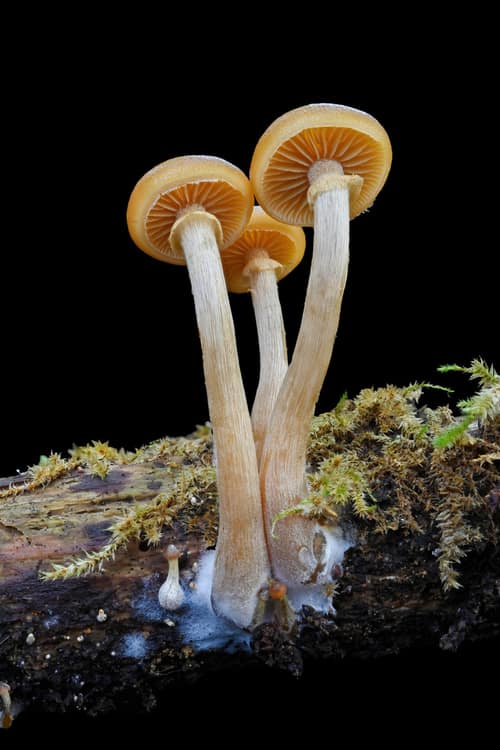
Toxic Look-alike (c) Alan Rockefeller, some rights reserved (CC BY), uploaded by Alan Rockefeller · cc-by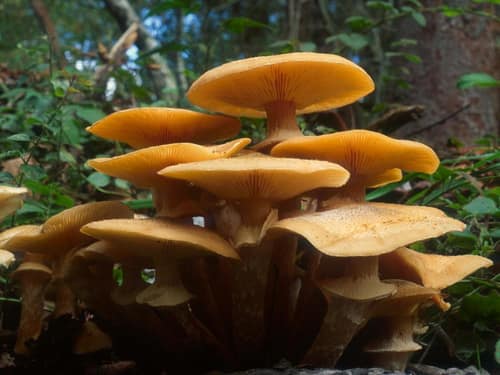
Close Relative (c) Nathan Wilson, some rights reserved (CC BY-SA) · cc-by-sa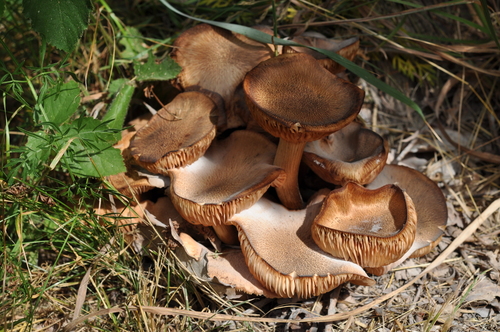
Close Relative (c) Jose Castro, some rights reserved (CC BY) · cc-by
Help improve the field guideSomething wrong?
Checking your Fauna account…Report a name, category, or profile issue for review.