
Fungus · GBIF taxon 11812602
Luxury Caps
Collybiopsis luxuriansAlso known as Luxury Gymnopus
Collybiopsis luxurians emerges in dense clusters from wood chips, rich garden mulch, and decaying hardwood litter throughout warm, humid months. Young caps showcase reddish-brown to chestnut tones with delicate radial striations before fading to pale buff as they expand and dry out. As dedicated saprobes, these mushrooms play an important ecological role by breaking down lignin and cellulose, recycling vital nutrients back into the soil.
SaprobicClusteredDecomposer
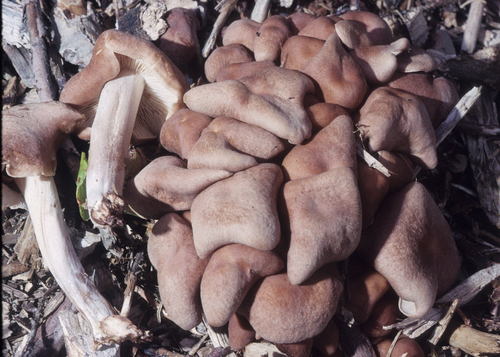
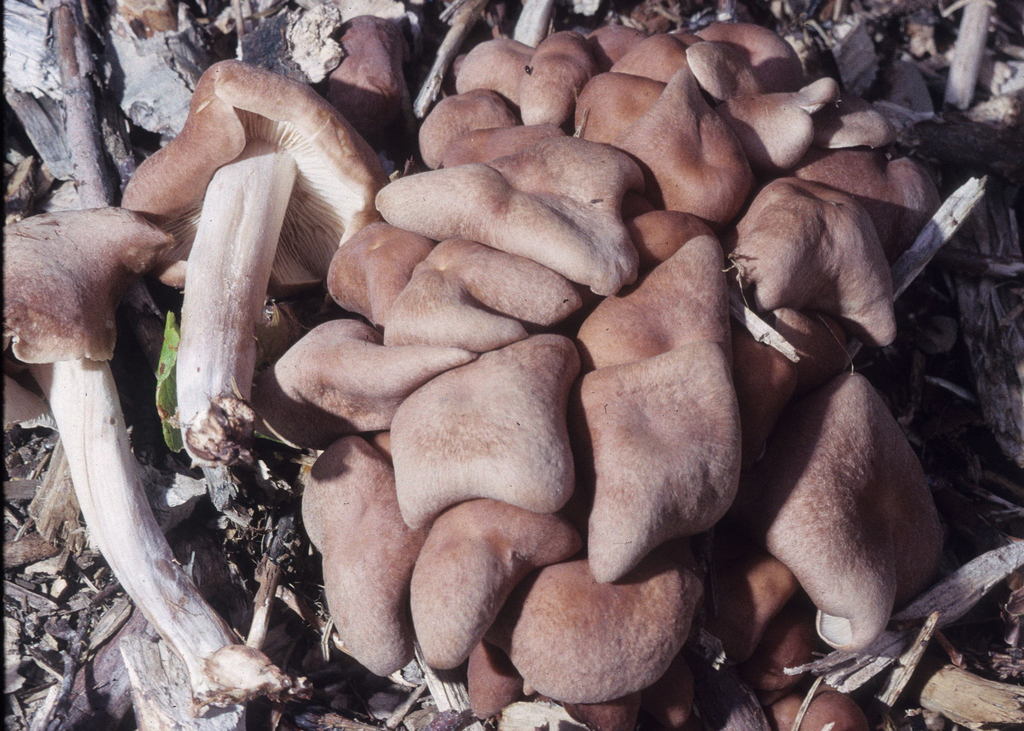
—observations
—countries
—peak records
Not EvaluatedConservation statusIUCN Red List categoriesLCNTVUENCREWEXNot Evaluated — not placed on the risk ladderRed List categories, explained →
Diet & prey
- Saprobic (decomposing dead wood and woody debris)
Predators
- Fungus Gnat Larvae
- Slugs
- Springtails
ThreatsFungicide application in urban landscaping and loss of deadwood habitats
HabitatsWoodchip beds, landscaped mulch, forested compost, and rotting hardwood logs
Life spanIndividual fruit bodies last 4–10 days; mycelium persists for years
Classification
- OrderAgaricales
- FamilyOmphalotaceae
- GenusCollybiopsis
- SpeciesCollybiopsis luxurians
Range data is not available yet.
Interaction riskLow
- Low
- Moderate
- High
- Very high
- Why interaction risk is low
- Many edible mushrooms have toxic look-alikes; never eat wild fungi based on app identification alone.
Responsible observation
- Substrate Clues: Look for dense caespitose clusters growing directly from landscaping mulch or buried wood.
- Cap Inspection: Check the margin of the cap for fine radial lines that become more pronounced as the surface dries.
- Gentle Observation: Use a hand lens to examine the pale, crowded gills without damaging the fragile fibrous stem.
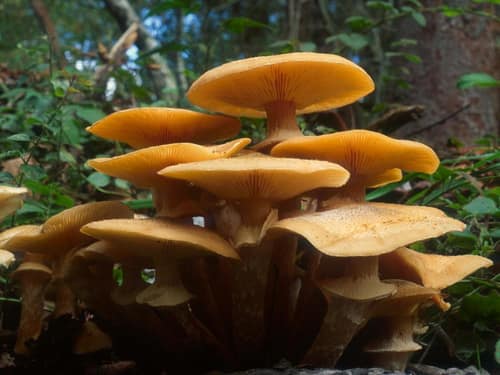
Competitor (c) Nathan Wilson, some rights reserved (CC BY-SA) · cc-by-sa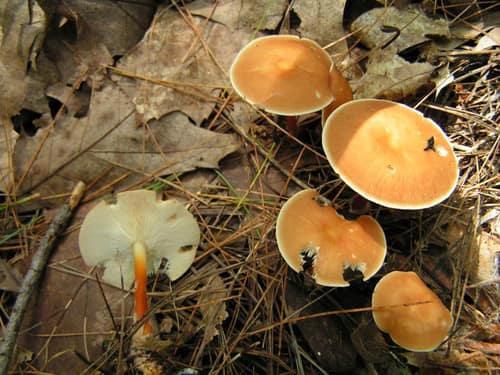
Close Relative (c) Erlon Bailey, some rights reserved (CC BY-SA), uploaded by Erlon Bailey · cc-by-sa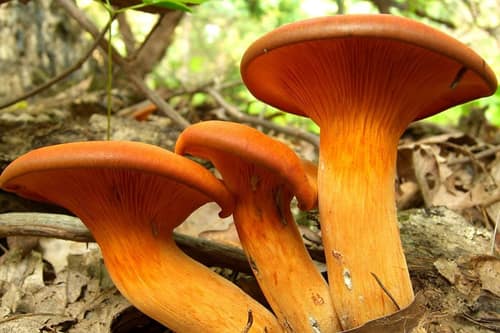
Same Family (c) Jason Hollinger, some rights reserved (CC BY) · cc-by
Help improve the field guideSomething wrong?
Checking your Fauna account…Report a name, category, or profile issue for review.