
Flower
Russian Sage
Salvia yangiiAlso known as Perovskia
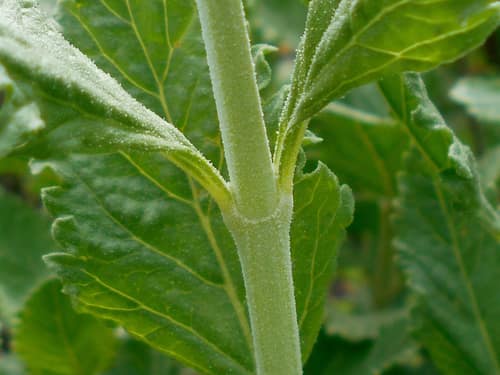
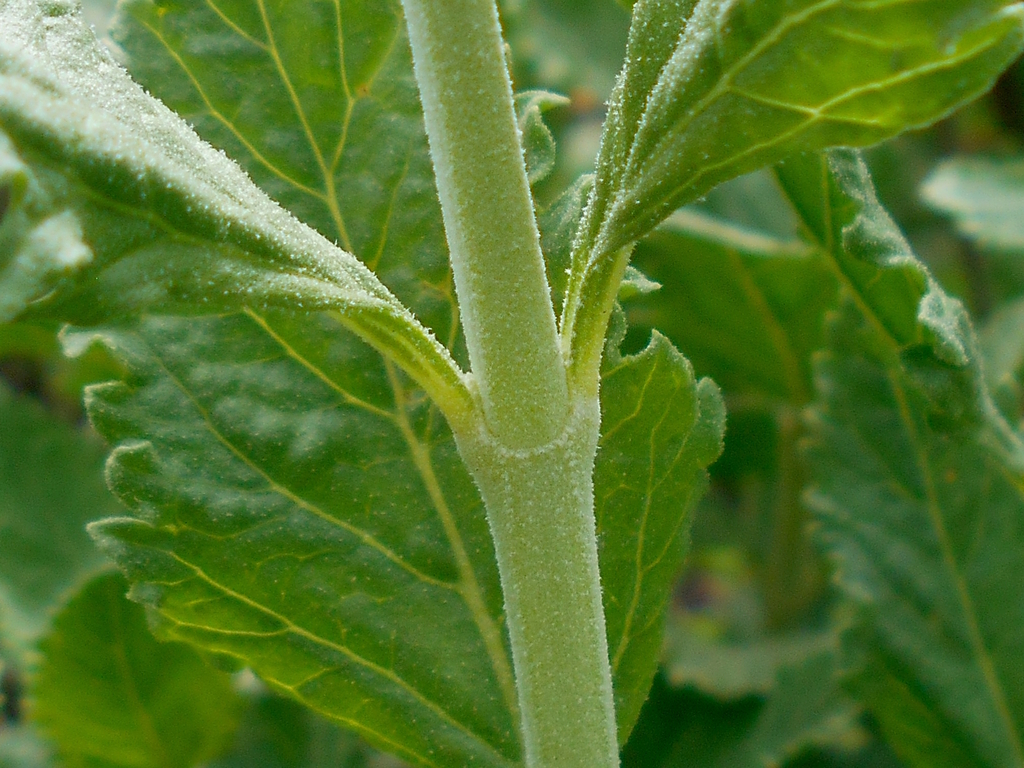
Russian sage forms airy, haze-like clouds of lavender-blue blossoms atop silvery white stems throughout late summer and autumn. Native to the rocky steppes and gravelly riverbeds of Central Asia, its deeply lobed gray-green foliage releases a pungent, herbal fragrance when brushed or bruised. The nectar-rich flowers serve as a vital late-season food source for bees, butterflies, and other beneficial pollinators.
AromaticFloweringDrought-Tolerant
—observations
—countries
—peak records
Not EvaluatedConservation statusIUCN Red List categoriesLCNTVUENCREWEXNot Evaluated — not placed on the risk ladderRed List categories, explained →
Diet & preyAutotrophic (Photosynthesis)
Predators
- Spider mites
- Aphids
ThreatsHabitat loss in native range, overwatering in cultivation
HabitatsArid steppes, gravelly riverbeds, rocky slopes, cultivated gardens
Life span10–20 years
Classification
- OrderLamiales
- FamilyLamiaceae
- GenusSalvia
- SpeciesSalvia yangii
Range data is not available yet.
Interaction riskLow
- Low
- Moderate
- High
- Very high
- Why interaction risk is low
- Safe to observe at a normal distance.
Responsible observation
- Gardening: Plant in full sun and well-draining soil to prevent root rot.
- Observation: Gently brush or rub the leaves to release their sage-like scent.
- Pruning: Cut back stems to low woody growth in early spring to encourage dense foliage.
Frequent Companion (c) Andrey Zharkikh, some rights reserved (CC BY) · cc-by
Close Relative Kurt Stüber [1] / CC BY-SA 3.0 · cc-by-sa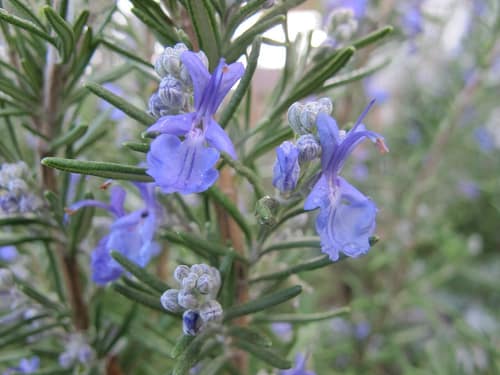
Close Relative Margalob / CC BY-SA 4.0 · cc-by-sa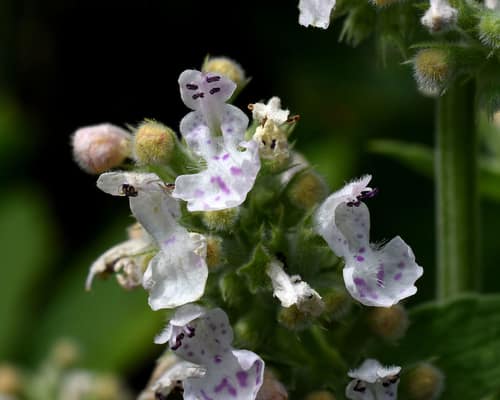
Close Relative (c) davecz2, some rights reserved (CC BY-SA), uploaded by davecz2 · cc-by-sa
Help improve the field guideSomething wrong?
Checking your Fauna account…Report a name, category, or profile issue for review.