
Invertebrate
Devil Crayfish
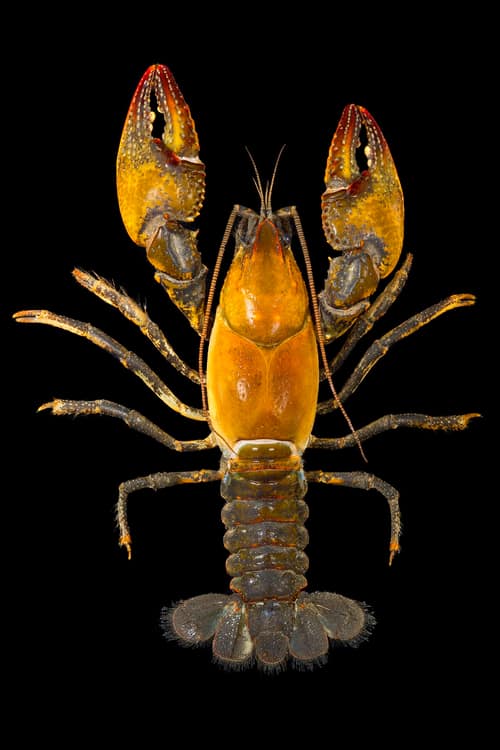
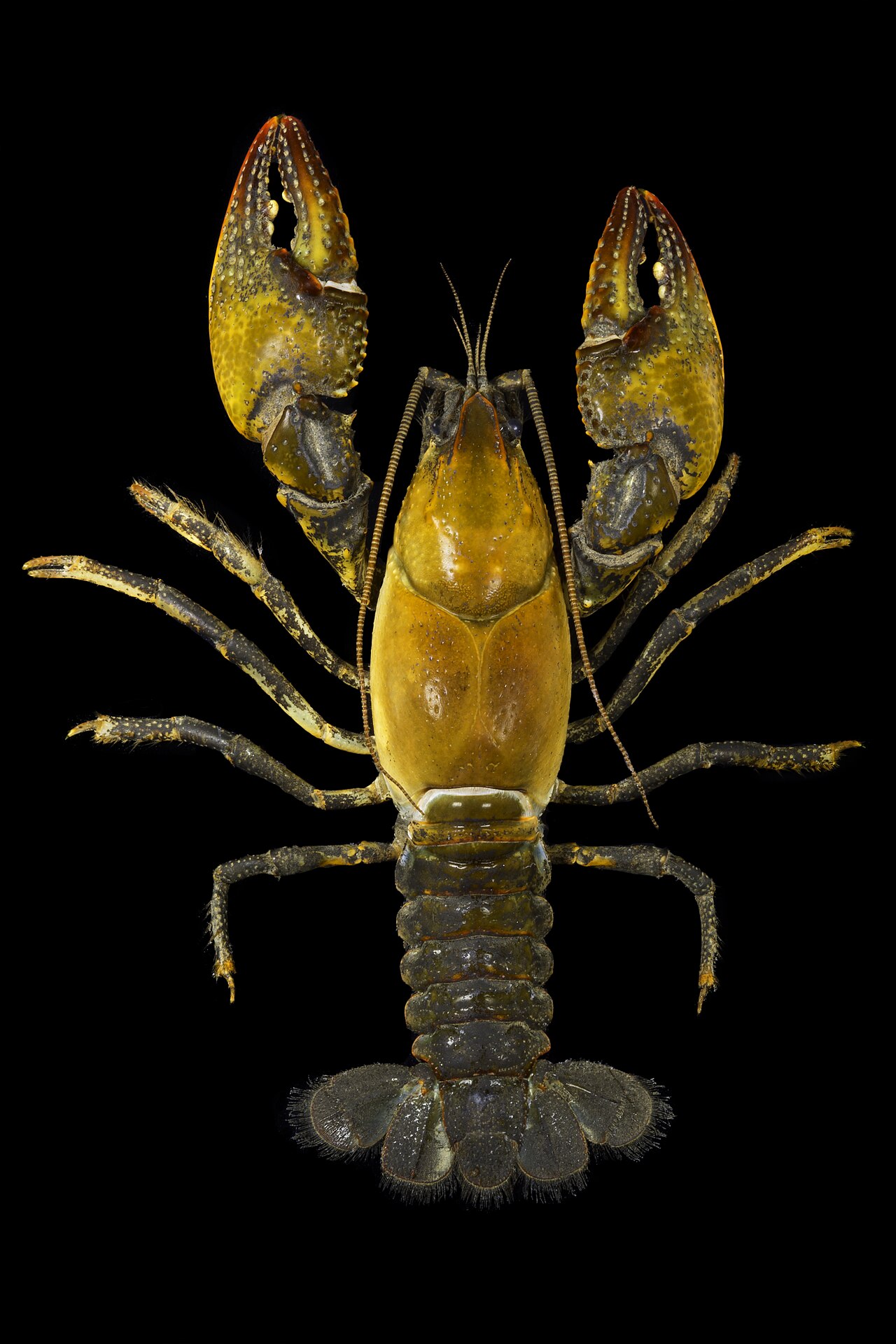
Lacunicambarus diogenesAlso known as Devil Crawfish, Meadow Crayfish, Chimney Crayfish
Devil crayfish are primary burrowers renowned for constructing elaborate underground tunnels that reach deep into the water table, capped at the surface by distinctive mud chimneys. Highly territorial and mostly nocturnal, they venture out onto moist ground on warm, rainy nights to forage for plant matter and small invertebrates. Females carry hundreds of fertilized eggs beneath their curled abdomens through early spring until the hatchlings are ready to disperse.
BurrowingNocturnalCrustacean
—observations
—countries
—peak records
Least ConcernConservation statusIUCN Red List categoriesLCNTVUENCREWEXLeast ConcernRed List categories, explained →
Diet & preyDecaying plant matter, Insect larvae, Earthworms
Predators
- Raccoons
- Great Blue Herons
- Northern Watersnakes
ThreatsWetland drainage, groundwater drawdown, and soil compaction from land development
HabitatsWet meadows, floodplains, swamp margins, and roadside ditches near the water table
Life span3–4 years
Classification
- FamilyCambaridae
- SpeciesLacunicambarus diogenes
Range data is not available yet.
Interaction riskLow
- Low
- Moderate
- High
- Very high
- Why interaction risk is low
- Powerful claws can pinch and break skin if handled; observe without picking up.
- Why it is dangerous
- Enlarged, muscular chelae can exert significant mechanical force, pinching hard enough to tear skin or cause bruising.
- How to recognize a risky encounter
- Recognizable by an olive-brown to reddish carapace paired with exceptionally robust claws that often show red or orange accents.
- What to do
- Never attempt to reach into active burrow entrances or pick the animal up bare-handed.
Responsible observation
- Spotting Chimneys: Look for conical mud towers in wet lawns, roadside ditches, and damp meadows during spring.
- Night Observations: Scan saturated turf with a gentle flashlight on rainy evenings to spot them foraging outside burrows.
- Respecting Burrows: Avoid kicking or flattening mud chimneys, which provide structural protection and vital ventilation.
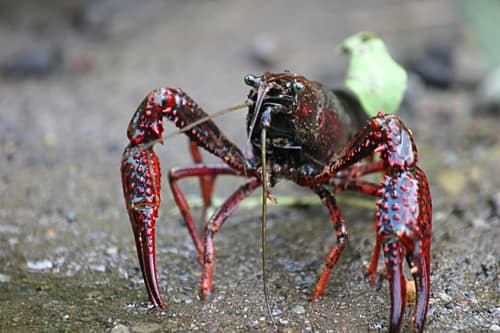
Competitor No machine-readable author provided. MikeMurphy assumed (based on copyright claims). / Public domain · cc0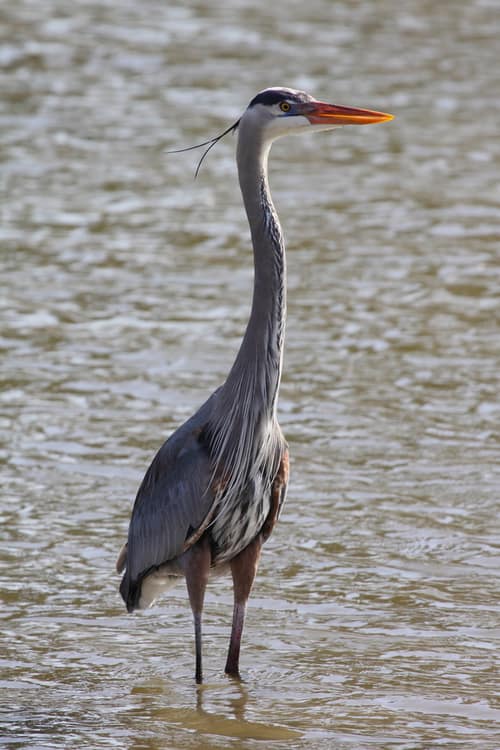
Predator (c) Basar, some rights reserved (CC BY-SA) · cc-by-sa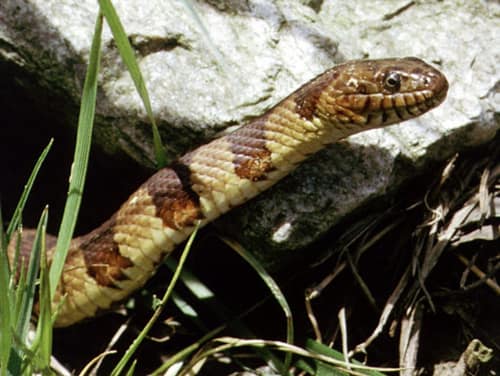
Predator Patrick Coin (Patrick Coin) / CC BY-SA 2.5 · cc-by-sa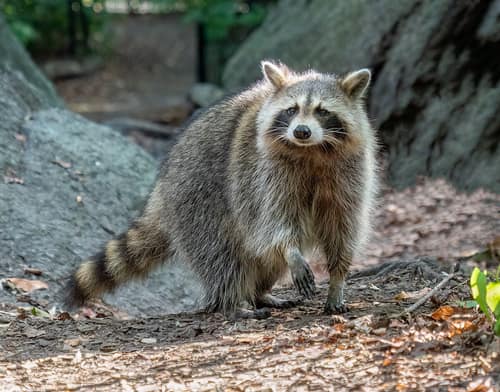
Predator Rhododendrites / CC BY-SA 4.0 · cc-by-sa Image unavailable
Close Relative
Help improve the field guideSomething wrong?
Checking your Fauna account…Report a name, category, or profile issue for review.